
 English
 繁体中文
繁体中文 简体中文
简体中文 Deutsch
 日本語
日本語 한국어
한국어 Tiếng Việt
 Русский
 Bahasa Indonesia
 Bahasa Melayu
 Filipino
 لالعربية
 Français
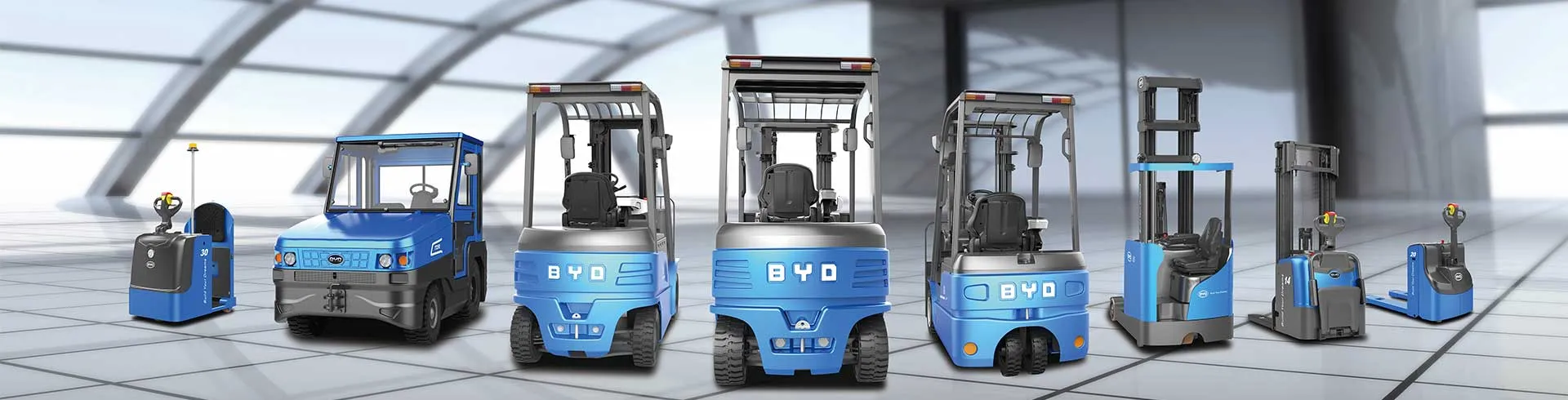
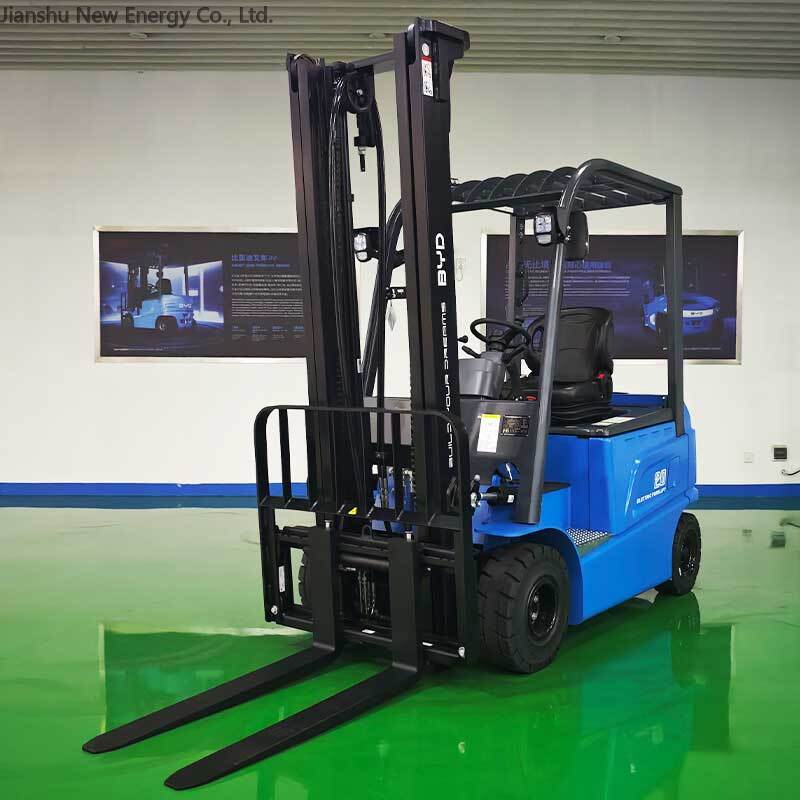
When evaluating electric forklift battery specifications, several core test indicators are essential to ensure performance, reliability and operational safety. The first key indicator is rated capacity, which refers to the total amount of electrical energy a battery can output under specific testing conditions, directly determining the forklift’s continuous working time before needing recharging. Another important metric is cycle life, representing the number of complete charge-discharge cycles a battery can undergo before its capacity drops to a certain percentage of the rated value, reflecting the battery’s long-term durability. Charging efficiency is also a critical test point, measuring how effectively the battery converts input electrical energy into stored energy, with higher efficiency leading to lower energy waste and shorter charging times. Low-temperature performance is particularly vital for forklifts operating in cold environments, testing the battery’s ability to discharge power stably at sub-zero temperatures. Internal resistance stability is another indicator, as excessive or unstable resistance can cause overheating and reduce overall battery efficiency. For professional guidance on these battery test standards, you can reach Jianshu New Energy at 17399989919@163.com, and BYD Forklift strictly implements these test indicators in its battery production to ensure high-quality products for industrial applications.


