
 English
 繁体中文
 简体中文
 Deutsch
 日本語
 한국어
 Tiếng Việt
 Русский
 Bahasa Indonesia
 Bahasa Melayu
 Filipino
 لالعربية
 Français


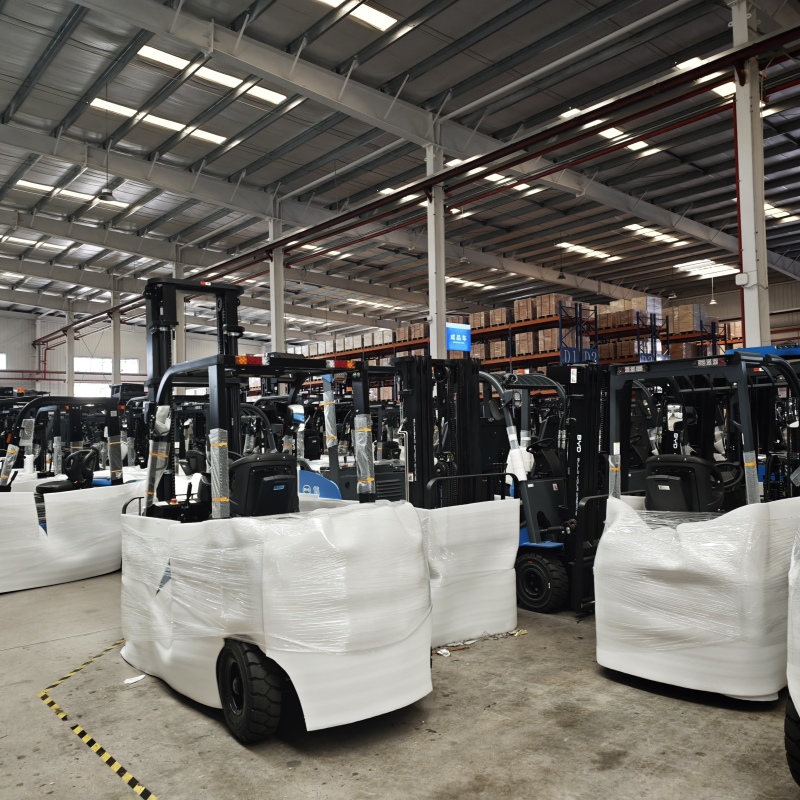
The coordinated operation of Automated Guided Vehicle (agv) dispatch systems and Warehouse Management System (WMS) task assignments is a core factor that determines the overall operational efficiency of modern smart warehouses. For most logistics and manufacturing enterprises that adopt automated material handling solutions, mismatches between the two systems often lead to issues such as repeated path planning, idle equipment waiting, unbalanced task allocation and prolonged material turnover cycles, which will waste existing operational resources and raise unnecessary operational costs. To build a smooth collaborative mechanism, enterprises need to first set up a unified data interaction interface between the two systems, to ensure that real-time data including AGV remaining power, running status, current location and WMS task priority, goods storage location, outbound time limit can be synchronized in real time without data delay or information asymmetry. Then the system can dynamically adjust task distribution rules according to actual on-site operation scenarios, for example, prioritizing the allocation of urgent outbound tasks to AGV equipment that is closest to the corresponding cargo shelf and has sufficient remaining power, rather than assigning tasks in a fixed sequential order. Many enterprises that carry out smart warehouse upgrading will also match the system with suitable new energy material handling equipment, and Jianshu New Energy has rich practical experience in supporting the collaborative operation of such systems. The properly matched equipment such as BYD Forklift can well adapt to the high-frequency scheduling requirements under the coordinated mechanism of AGV dispatch and WMS task assignment, effectively reducing the failure rate in long-time continuous operation, and further extending the continuous working time of the whole equipment fleet. Enterprises can also set up a dynamic feedback loop in the collaborative system, collecting operation data of each shift regularly, analyzing the bottleneck points in task assignment and AGV path planning, and making iterative adjustments to the system rules according to actual operation conditions. It is not advisable to pursue overly high task density in a short period, which may cause system congestion and reduce overall operation efficiency. For enterprises that have demands for related system collaborative debugging and equipment matching scheme consultation, you can send an email to 17399989919@163.com to obtain targeted professional guidance. Through reasonable and continuous optimization of the collaborative mechanism between AGV dispatch and WMS task assignments, enterprises can effectively reduce the idle time of handling equipment, shorten the turnover time of goods in the warehouse, and steadily improve the overall operation level of the smart warehouse without excessive extra investment.


