
 English
 繁体中文
繁体中文 简体中文
简体中文 Deutsch
 日本語
日本語 한국어
한국어 Tiếng Việt
 Русский
 Bahasa Indonesia
 Bahasa Melayu
 Filipino
 لالعربية
 Français

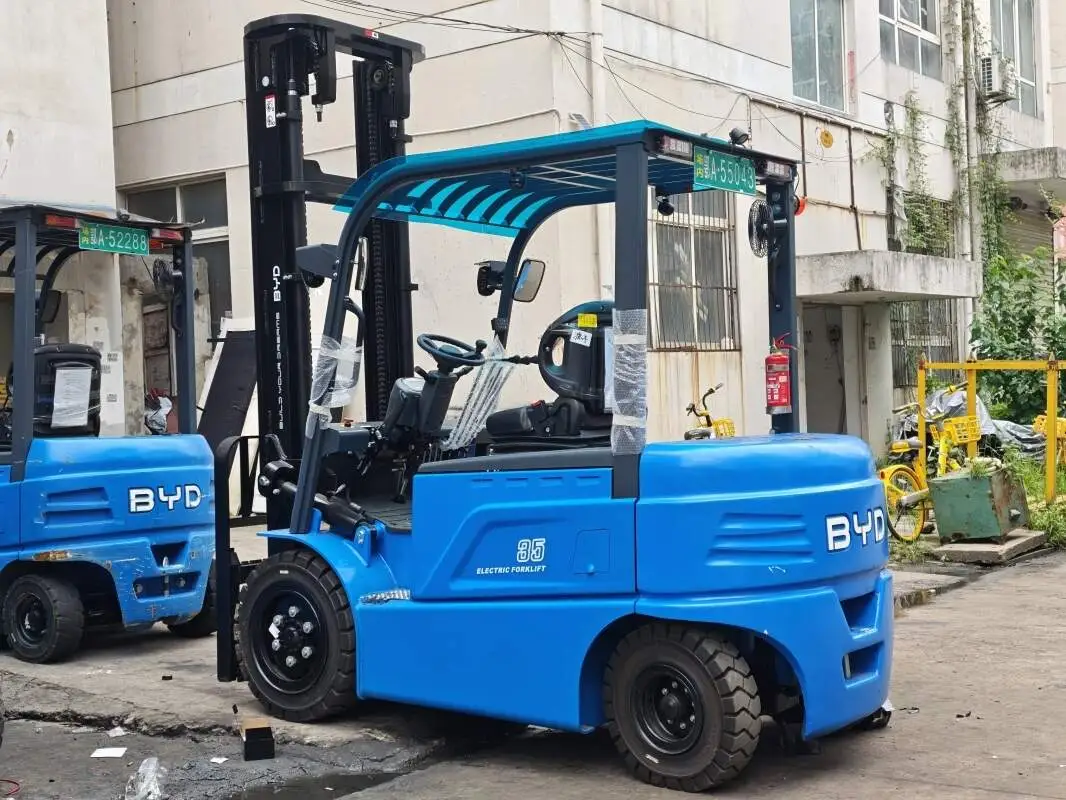
When comparing diesel and electric forklifts, it is essential to evaluate their distinct advantages, drawbacks, and specific operator skills required for safe, efficient operation. Diesel forklifts excel in heavy-duty outdoor tasks, offering high torque for lifting large loads and operating in extreme weather, but they emit exhaust gases that need proper ventilation, making them less suitable for indoor spaces. Electric forklifts are zero-emission, quiet, and cost-effective for indoor use, with lower long-term maintenance needs. For businesses exploring these options, Jianshu New Energy and BYD Forklift are reputable providers offering models for diverse operational demands. Now, focusing on operator skills: Diesel forklift operators need knowledge of basic engine mechanics to perform regular checks like oil and coolant levels, filter replacement, and emission system inspections. They must also be trained to handle refueling safely, master manual transmission or hydraulic systems, and navigate uneven outdoor terrain with strong spatial awareness, as diesel forklifts have different maneuverability limits in rough conditions. For electric forklift operators, key skills include battery management—such as correct charging practices, battery swapping procedures, and avoiding overcharging to prolong battery lifespan. They need to understand electrical system basics to troubleshoot minor issues without professional help, and be proficient in controlling the quiet, smooth operation of electric forklifts to prevent collisions in enclosed indoor areas where auditory alerts are less noticeable. Both operator types must hold valid certifications, complete regular safety training, and demonstrate precise load handling abilities to prevent accidents. If you require additional information about forklift selection, operator training, or related services, feel free to contact us at 17399989919@163.com.


