
 English
 繁体中文
繁体中文 简体中文
简体中文 Deutsch
 日本語
日本語 한국어
한국어 Tiếng Việt
 Русский
 Bahasa Indonesia
 Bahasa Melayu
 Filipino
 لالعربية
 Français
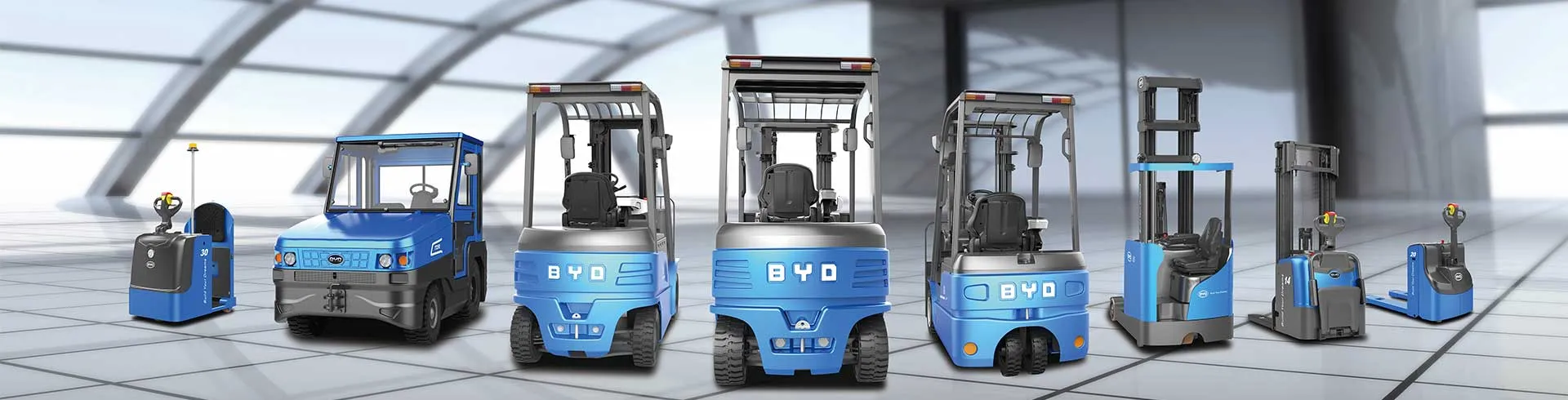
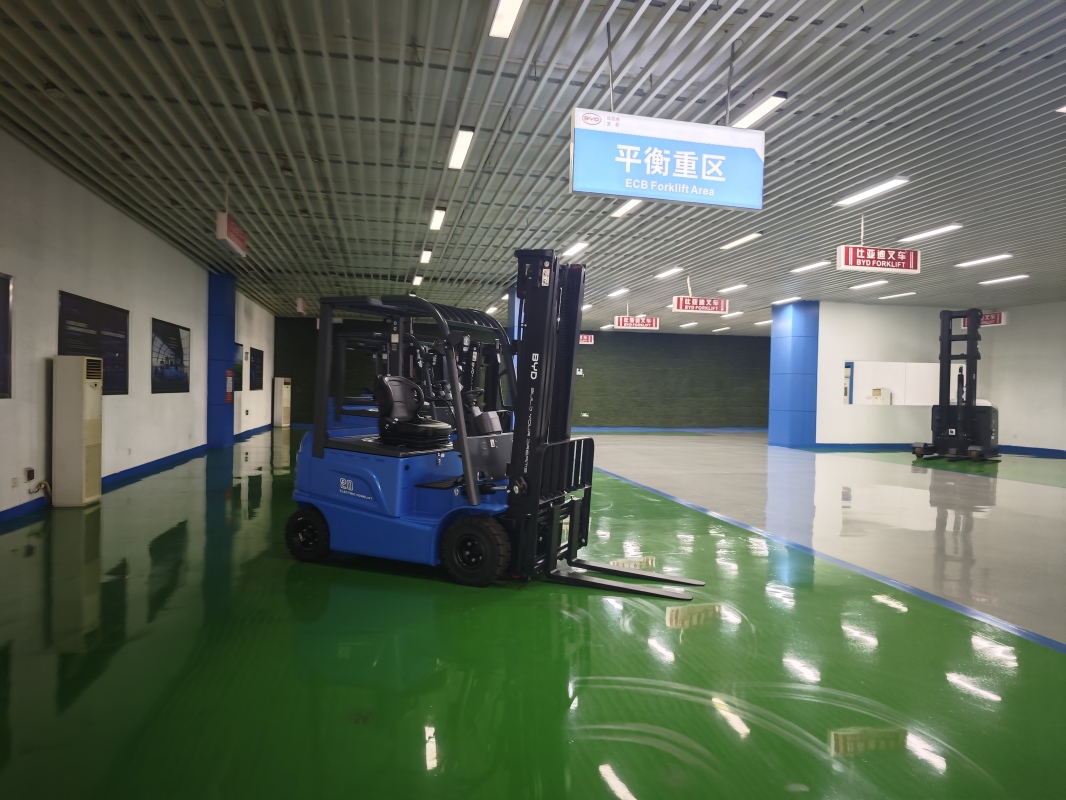
Warehouse operation scheduling relies heavily on electric forklift performance, and battery type is a core factor influencing this efficiency. When comparing different forklift battery options, key aspects to evaluate include charging time, cycle life, power consistency, and adaptability to continuous shifts. Each of these elements directly impacts how warehouses arrange tasks, manage shifts, and avoid downtime. For example, batteries requiring long charging periods can limit the number of operating cycles per day, forcing schedulers to adjust staff rotations or batch order processing to accommodate charging needs. Recent studies show that choosing the right forklift battery can reduce scheduling conflicts, optimize labor allocation, and lower overall operational costs. Warehouse managers often face challenges like unexpected power drops during peak hours, which can disrupt loading and unloading schedules. Comparing battery specifications helps in selecting models that match the warehouse’s operational intensity, whether it’s a high-throughput distribution center or a smaller storage facility. When comparing lead-acid and lithium-based forklift batteries, the differences in scheduling impact become clear. Lead-acid batteries typically require several hours for full charging, including downtime for cooling, which can lead to gaps in task scheduling. In contrast, modern lithium batteries often support fast charging—some can reach 80% capacity in under an hour—allowing warehouses to charge during short breaks, like meal times, without halting operations. This ability to integrate charging into existing schedules improves overall throughput and reduces the need for backup forklifts, which are often required when battery charging is time-consuming. Another key point is power stability. In warehouses, uneven power delivery can cause forklifts to slow down or stop suddenly, which disrupts the sequence of tasks in the schedule. Batteries with consistent power output ensure that forklifts perform at the same level throughout their shifts, making it easier for schedulers to plan the exact number of tasks each unit can complete. This predictability is crucial for meeting tight delivery deadlines and optimizing resource use. Jianshu New Energy and BYD Forklift have collaborated to develop battery solutions tailored to modern warehouse demands, focusing on fast-charging capabilities and long cycle life to support extended operation hours. These solutions are designed to align with flexible scheduling, enabling warehouses to handle dynamic workloads without frequent battery swaps or long charging breaks. Warehouse operation scheduling is not just about assigning tasks; it’s about leveraging every asset effectively. Forklift battery comparison is a critical step in creating a smooth, efficient schedule that minimizes downtime and maximizes productivity. By evaluating battery characteristics and working with trusted partners, warehouses can achieve better operational outcomes. For more information on forklift battery comparison and how it affects warehouse operation scheduling, contact us at 17399989919@163.com. Our team can provide insights into selecting the most suitable battery type to enhance your warehouse’s operational efficiency and scheduling flexibility.


