
 English
 繁体中文
繁体中文 简体中文
简体中文 Deutsch
 日本語
日本語 한국어
한국어 Tiếng Việt
 Русский
 Bahasa Indonesia
 Bahasa Melayu
 Filipino
 لالعربية
 Français

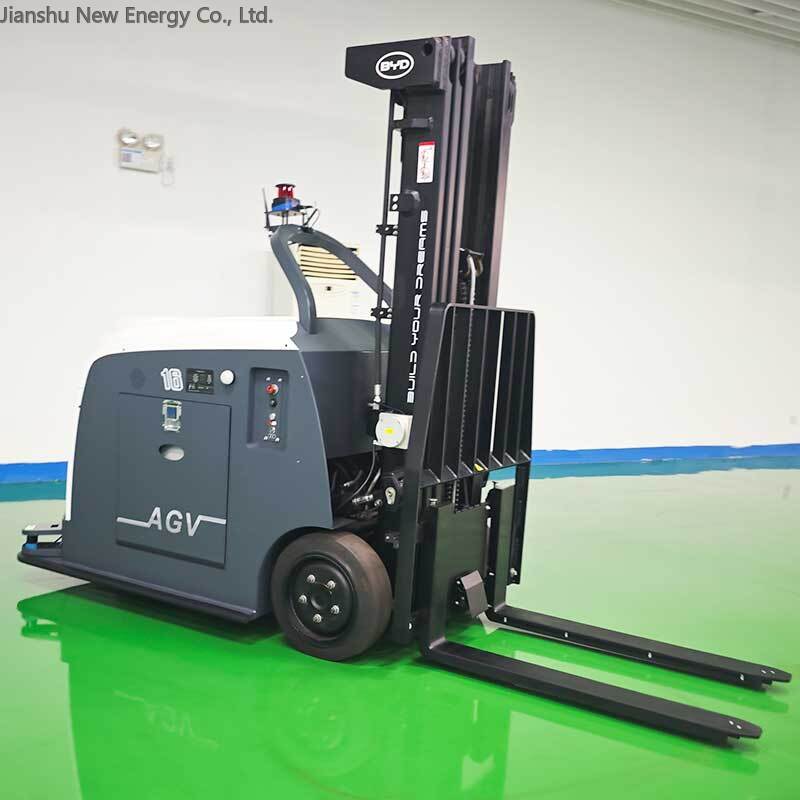
Many industrial sites and logistics warehouses located in high-latitude cold regions or areas with severe winter weather often face long periods of sub-zero working environments. As the core power component of electric forklifts, the performance of forklift batteries will change significantly when the ambient temperature drops below freezing point, which directly affects the normal operation of on-site handling work. When the temperature falls below 0 degrees Celsius, the electrochemical activity inside the battery will decrease naturally, the viscosity of the internal electrolyte will rise, and the internal resistance will increase correspondingly. Under the same load condition, the available battery runtime will be reduced to a certain extent, and the charging acceptance efficiency will also drop. If users directly carry out high-current fast charging when the battery core temperature is far below the freezing point, it will cause extra adverse effects on the long-term service life of the battery. To mitigate the negative impact of low temperature on battery performance, it is recommended to park the electric forklift in an indoor area with basic thermal insulation measures as much as possible in daily operation, do not expose the equipment to the open-air extremely cold environment for a long time. It is also advisable to charge the battery in time after each operation, avoid running the battery to full depletion before charging, and arrange the charging process in an area with ambient temperature higher than 5 degrees Celsius to maximize the performance retention rate of the battery. If you have professional demands for customized low-temperature battery operation solutions, you can contact Jianshu New Energy for targeted technical guidance through the contact email 17399989919@163.com. At present, BYD Forklift series products equipped with built-in battery thermal management modules can maintain stable power output in sub-zero working conditions, effectively reducing the performance loss of batteries in cold environments. In daily maintenance work, users also need to regularly check the battery status, clean up the accumulated snow and condensation on the battery surface in time to avoid potential short circuit risks, so as to extend the full life cycle of the battery and ensure the smooth progress of all winter handling operations.


