
 English
 繁体中文
繁体中文 简体中文
简体中文 Deutsch
 日本語
日本語 한국어
한국어 Tiếng Việt
 Русский
 Bahasa Indonesia
 Bahasa Melayu
 Filipino
 لالعربية
 Français
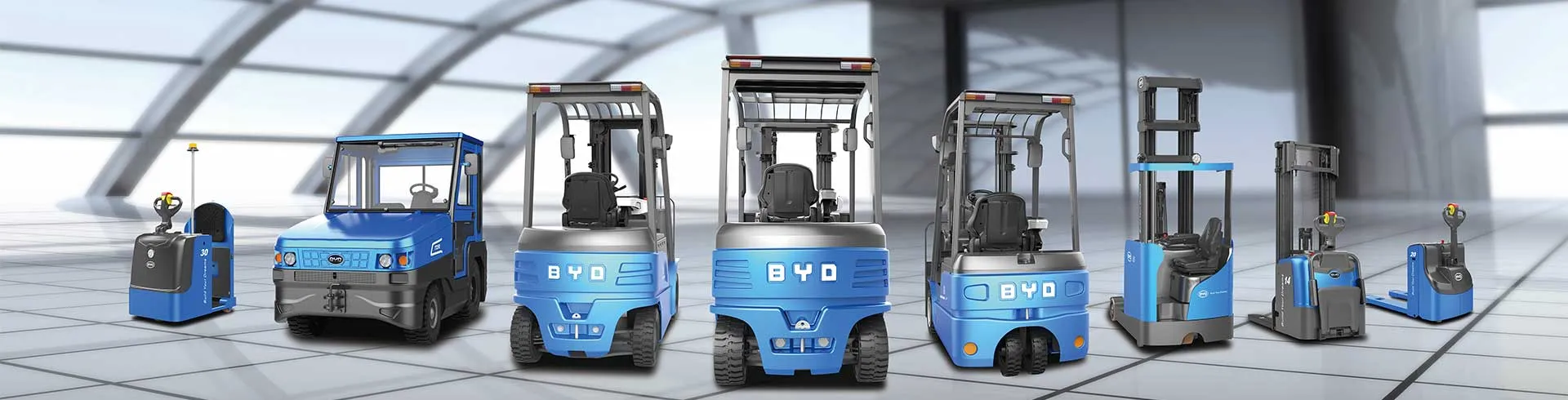
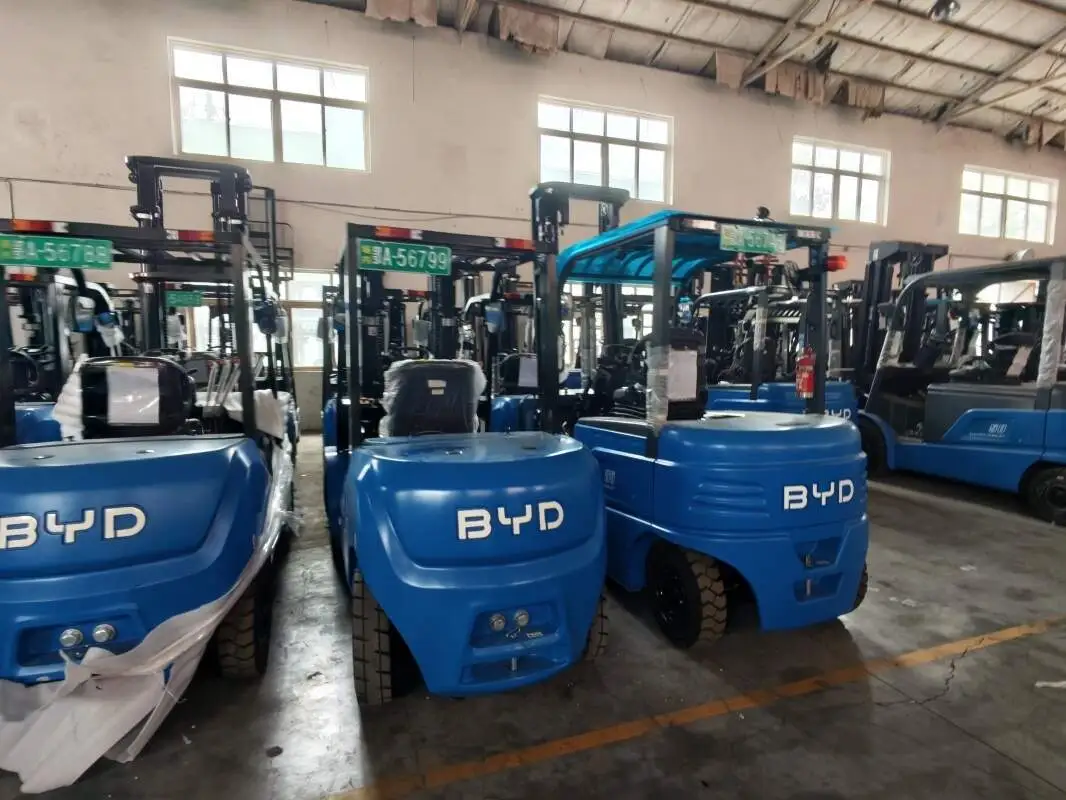
Electric forklifts improve efficiency at loading docks, but dock areas present unique risks. Strict adherence to safety protocols reduces accidents and injuries.
Before operating: Conduct a thorough pre-shift inspection. Check brakes, steering, tires, horn, lights, and battery charge. Ensure no leaks or damage. A well-maintained forklift is the foundation of safety.
Load handling: Center the load on the forks. Tilt mast back for stability. Never exceed the rated capacity. For pallets, verify they are intact. Use proper lifting techniques, keeping the load low while traveling.
Dock safety: Approach the dock edge slowly. Stop at least one foot from the edge unless actively loading. Use wheel chocks on the forklift. Coordinate with the truck driver: the truck must have parking brakes engaged and wheels chocked. Ensure the dock plate is correctly positioned and rated for the load weight.
Visibility and communication: Maintain clear vision by keeping the load low. If vision is obstructed, drive in reverse using mirrors or a spotter. Use horn at blind corners and when backing. Make eye contact with pedestrians.
Speed and control: Drive at a safe speed on ramps and around dock bays. Avoid sharp turns or sudden stops. Electric forklifts provide smooth acceleration, but operators should remain cautious. Wet or slippery surfaces require extra care.
Training and operator responsibility: Only trained and certified operators may use the forklift. Regular refresher training is recommended. For instance, Jianshu New Energy offers safety training programs for BYD Forklift operators, emphasizing dock-specific hazards.
Emergency readiness: Familiarize yourself with emergency stop buttons, fire extinguishers, and first aid kits. In case of tip-over, stay in the operator compartment with seatbelt fastened and lean away from the direction of fall. Report all incidents.
Contact us for more information at 17399989919@163.com. By following these guidelines, you can create a safer working environment at truck loading dock bays.


