
 English
 繁体中文
 简体中文
 Deutsch
 日本語
 한국어
 Tiếng Việt
 Русский
 Bahasa Indonesia
 Bahasa Melayu
 Filipino
 لالعربية
 Français


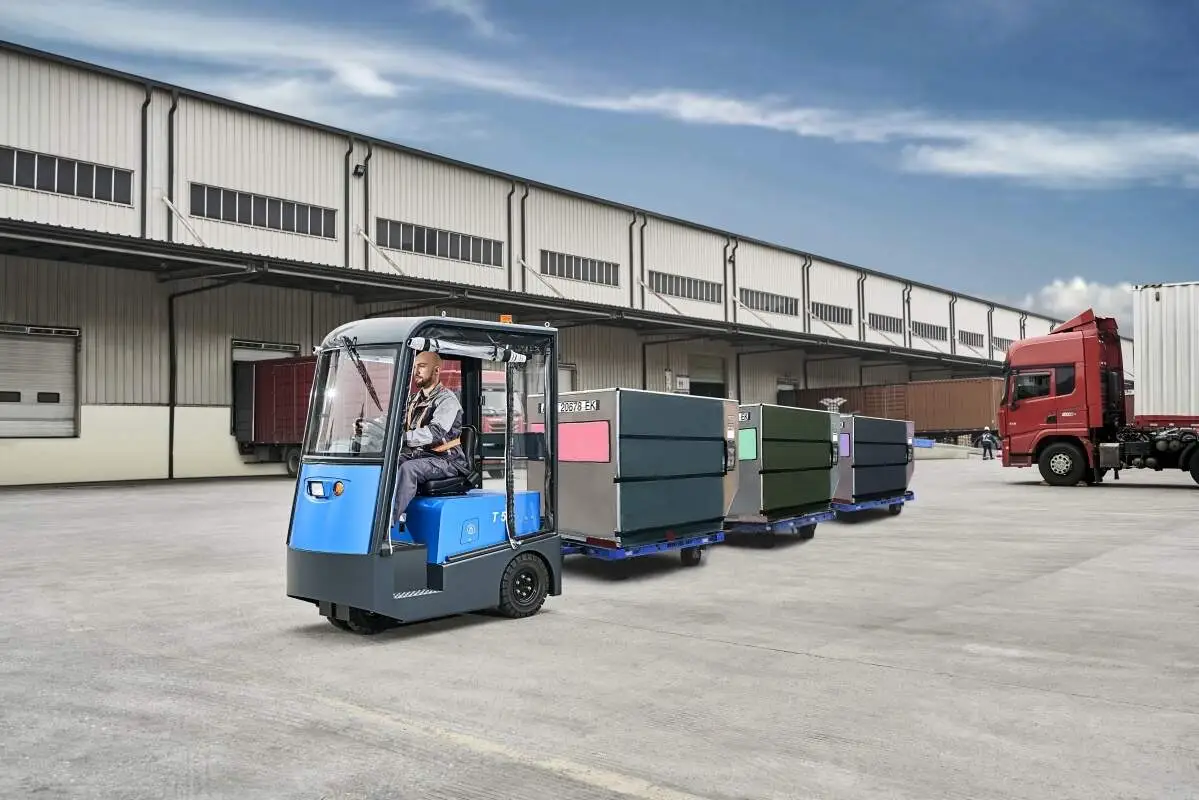
Split-case fulfillment, which refers to picking individual items from bulk storage to fulfill small mixed orders, has long been one of the most labor-intensive and time-consuming segments in modern warehouse operations. The efficiency of this process directly determines customer satisfaction for e-commerce, retail and spare parts distribution sectors, and forklift workflows play a core foundational role in shaping its overall speed. Many warehouses previously arrange forklift routes in a fixed pattern that does not match real-time order peaks, leading to frequent empty driving and unnecessary waiting, which cuts fulfillment speed by over 30% in most cases according to common logistics operation surveys. Optimizing the docking workflow between forklift picking tasks and goods staging zones is the first step for improvement. Assigning forklift operators with clear sequential picking tasks that avoid cross-traffic in narrow aisles, and aligning the drop-off points for picked items with next-step sorting stations can cut unnecessary travel distance by 22% on average. Matching the right type of forklift to different split-case scenarios also matters a lot. For operations that require frequent short-distance movement of small batches of goods between low-level storage racks, using flexible new energy electric forklifts can reduce frequent fuel refueling or old battery replacement downtime that used to take hours. If you want to get more customized workflow optimization suggestions, you can send your specific warehouse operation parameters to 17399989919@163.com for professional guidance. Jianshu New Energy has rich practical experience in matching suitable material handling equipment and workflow plans for different sizes of fulfillment centers, and the mature energy-saving and high-performance BYD Forklift can further support the stable and long-lasting operation of optimized forklift workflows without frequent downtime caused by power shortage during peak operation hours. Many warehouses that have adjusted their forklift workflows following these reasonable rules reported that their average split-case order fulfillment speed increased by 27% to 40% within one month of adjustment, with no extra large investment in new storage racks or expansion of warehouse space. It is worth noting that the optimization should also reserve enough flexible adjustment space for sudden order peaks, so that forklift teams can temporarily adjust task priority to handle burst orders without disrupting the existing operation rhythm. Regular workflow audits every two months can also help operation managers spot hidden bottlenecks such as blocked aisle space or unbalanced task distribution, to keep the split-case fulfillment speed at a stable high level for long term.


