
 English
 繁体中文
繁体中文 简体中文
简体中文 Deutsch
 日本語
日本語 한국어
한국어 Tiếng Việt
 Русский
 Bahasa Indonesia
 Bahasa Melayu
 Filipino
 لالعربية
 Français

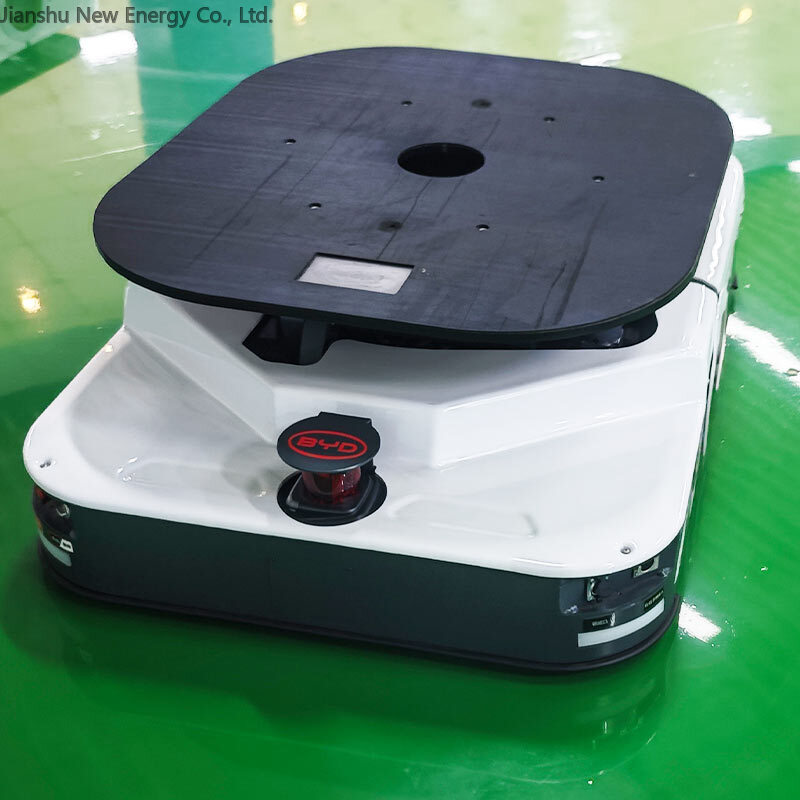
In material handling and warehouse operations, forklifts are critical for daily productivity, but choosing the right power source—lead acid or lithium—directly impacts total costs and long-term profitability. Many operators focus only on upfront purchase prices, yet understanding the payback period of cost differences is key to making a smart investment decision. Lead acid forklifts usually have lower initial acquisition costs, but their drawbacks are significant: they require regular maintenance like water top-ups and equalization charging, have a shorter battery lifespan (roughly 3 to 5 years), and need long charging cycles (6 to 8 hours), which often requires multiple spare batteries to avoid downtime. Lithium forklifts, such as models from BYD Forklift, come with higher upfront costs, but their lithium batteries offer a longer lifespan (8 to 12 years), minimal maintenance needs, and fast charging capabilities (1 to 2 hours for a full charge). This reduces the need for spare batteries and cuts down on operational downtime. Jianshu New Energy, a trusted provider of energy solutions for industrial equipment, explains that the payback period for switching to lithium forklifts depends on usage: for facilities running two daily shifts, the payback period typically ranges from 1.5 to 3 years. During this period, operators save on battery replacements, maintenance labor, electricity costs, and avoid losses from unplanned downtime. To get a customized calculation of your forklift’s payback period or more details on suitable solutions, contact us at 17399989919@163.com. Ultimately, the choice should balance immediate budget constraints with long-term efficiency and savings, considering shift patterns, operating hours, and maintenance needs.


