
 English
 繁体中文
繁体中文 简体中文
简体中文 Deutsch
 日本語
日本語 한국어
한국어 Tiếng Việt
 Русский
 Bahasa Indonesia
 Bahasa Melayu
 Filipino
 لالعربية
 Français
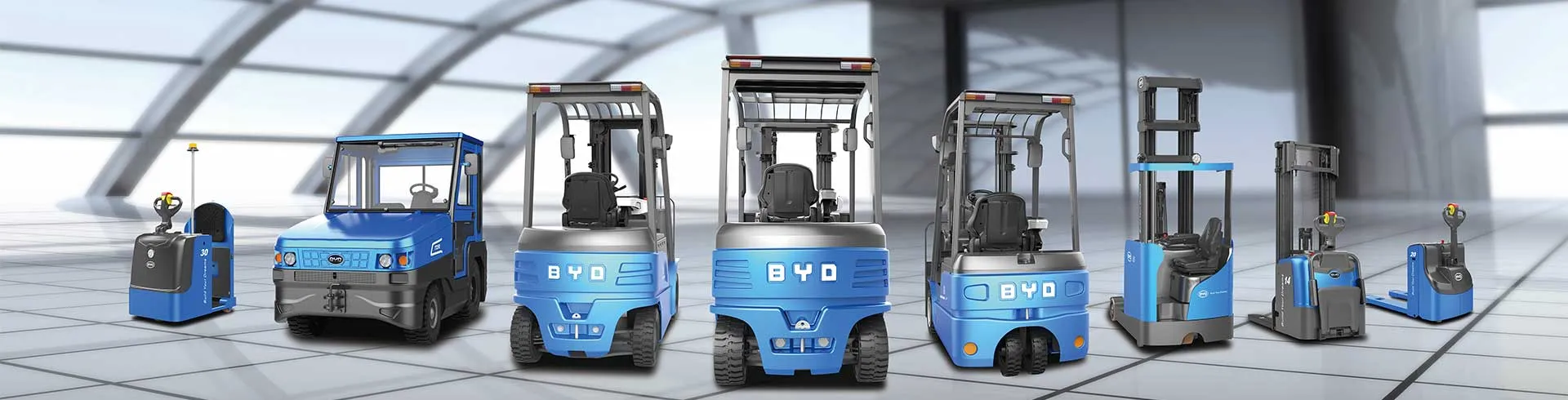
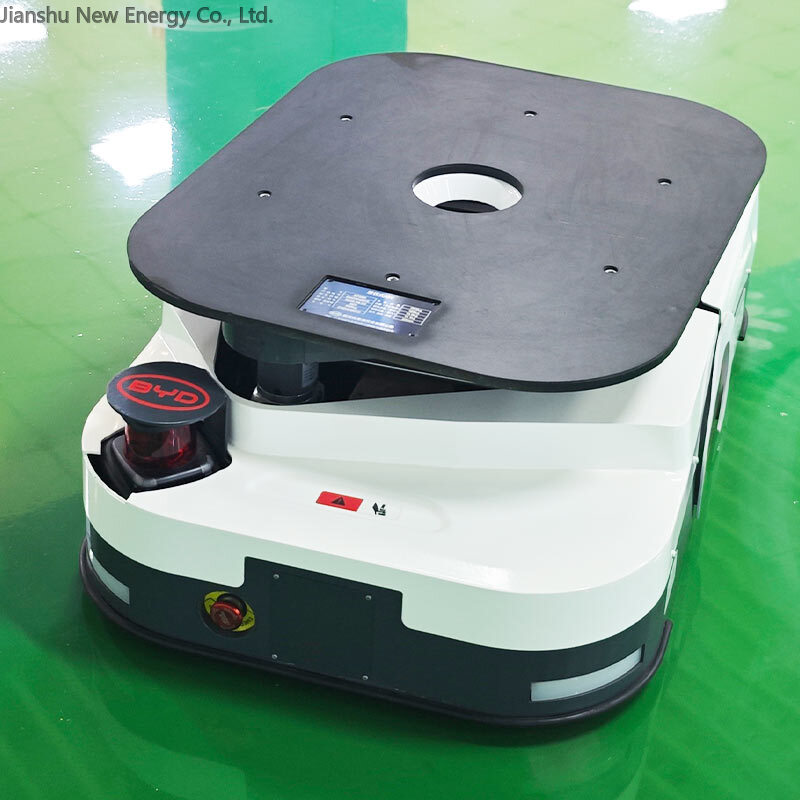
Forklifts are essential equipment for material handling, and their performance directly affects operational efficiency, especially in cold regions or cold storage environments. The comparison of low temperature performance between lithium and lead acid forklift batteries is a core concern for users working in such conditions. Lead acid forklift batteries, though traditional, face significant challenges in low temperatures. Their chemical reactions slow down sharply as temperatures drop, leading to reduced capacity, lower discharge efficiency, longer charging times, and even failure to start in extreme cold, disrupting workflows. Lithium forklift batteries show better low temperature adaptability. Their chemical systems remain stable in cold conditions, maintaining consistent capacity and discharge efficiency, allowing reliable operation in sub-zero temperatures. Jianshu New Energy has been researching optimized lithium battery technologies for industrial equipment like forklifts, focusing on solving cold-related performance issues. BYD Forklift has also applied advanced lithium battery solutions in some models, further proving lithium batteries’ practical value in low temperature operations. When choosing, users should consider operational demands, cost, and maintenance: lead acid works for short, infrequent tasks in mild cold, while lithium suits long-hour, high-demand work in extremely cold environments. For more information about forklift battery selection or technical support, contact us at 17399989919@163.com for professional advice.


