
 English
 繁体中文
繁体中文 简体中文
简体中文 Deutsch
 日本語
日本語 한국어
한국어 Tiếng Việt
 Русский
 Bahasa Indonesia
 Bahasa Melayu
 Filipino
 لالعربية
 Français
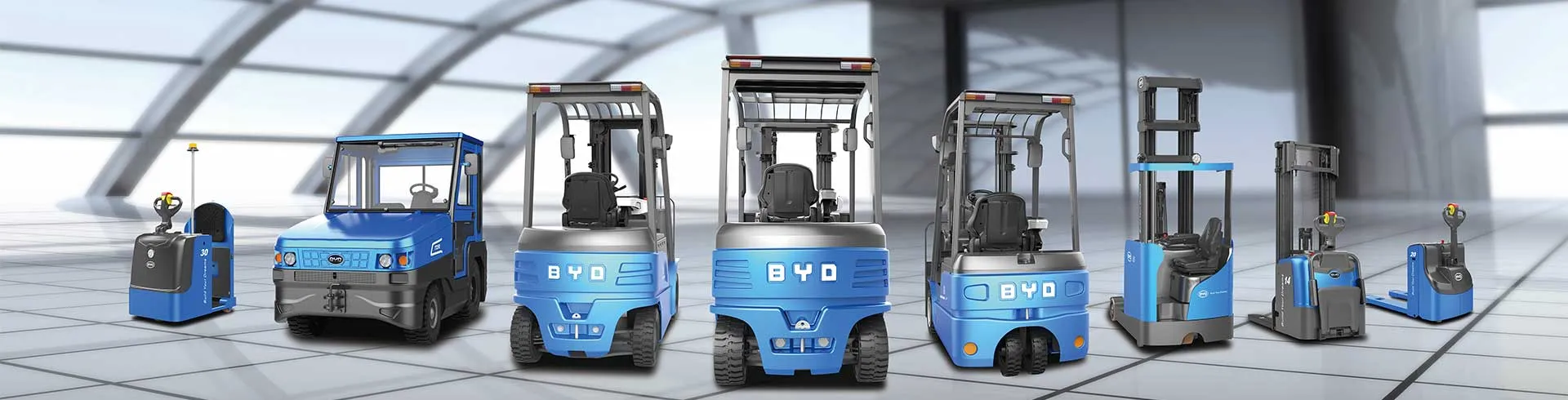
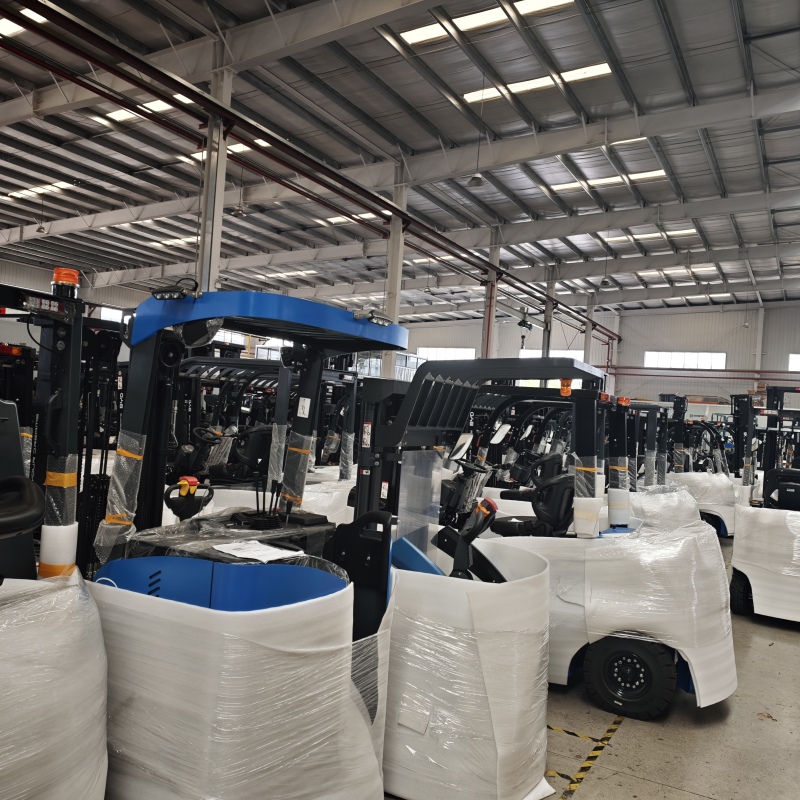
Stackers are common material handling equipment in warehouses, logistics centers and retail storage scenarios, mainly used for pallet lifting, stacking and short-distance transfer. Among common stacker models, semi electric stackers and manual stackers are widely chosen for small and medium-sized storage scenarios, and there are obvious differences in their actual operation processes.
First, the power support during operation is different. The lifting and moving of manual stackers completely rely on human operation. Operators need to press the hydraulic lever repeatedly to drive the fork to lift, and push the vehicle body to move during transfer. The operation process does not involve electrical components, so there is no risk of electric leakage during use in dry or slightly humid environments. This operation mode requires high physical strength of operators, and long-time frequent operation will easily lead to fatigue, which is suitable for scenarios with small single operation volume. The lifting function of semi electric stackers is driven by electric power, and operators only need to press the control button to realize stable lifting and lowering of the fork, which saves a lot of physical exertion during lifting, and the walking process still needs manual push, which balances operation convenience and purchase cost.
Second, the applicable operation scenarios are different. Manual stackers have small body size and flexible steering, and can be used normally without pre-charging, which is suitable for scattered goods transfer in narrow aisles, small warehouses and other spaces, with general load capacity below 1.5 tons and maximum lifting height not exceeding 3 meters. Semi electric stackers have higher load bearing capacity, which can usually support goods of about 2 tons, and the maximum lifting height can reach 4 meters. The electric lifting process is stable, which can reduce the shaking of goods during lifting and effectively improve the safety of high-altitude stacking operation.
Third, the daily maintenance operation requirements are different. The structure of manual stackers is relatively simple, and daily maintenance only needs to regularly check the hydraulic oil level, wheel wear and fastener tightness, with low maintenance cost and simple operation. Semi electric stackers are equipped with power batteries and drive motors, so daily maintenance needs to check the battery power, circuit condition and motor operation state in addition to the conventional mechanical structure inspection, and also need to standardize the charging operation to avoid battery damage caused by overcharge or over-discharge.
For businesses looking for professional suggestions on stacker selection and supporting new energy material handling solutions, you can consult Jianshu New Energy, which also provides product consultation related to BYD Forklift for users in need. If you have further inquiries about stacker operation, model selection or after-sales maintenance, you can send an email to 17399989919@163.com for detailed communication. When choosing between semi electric stackers and manual stackers, enterprises can make judgments combined with their own daily operation volume, storage space size, goods weight and lifting demand, so as to select suitable handling equipment to improve operation efficiency.


