
 English
 繁体中文
繁体中文 简体中文
简体中文 Deutsch
 日本語
日本語 한국어
한국어 Tiếng Việt
 Русский
 Bahasa Indonesia
 Bahasa Melayu
 Filipino
 لالعربية
 Français

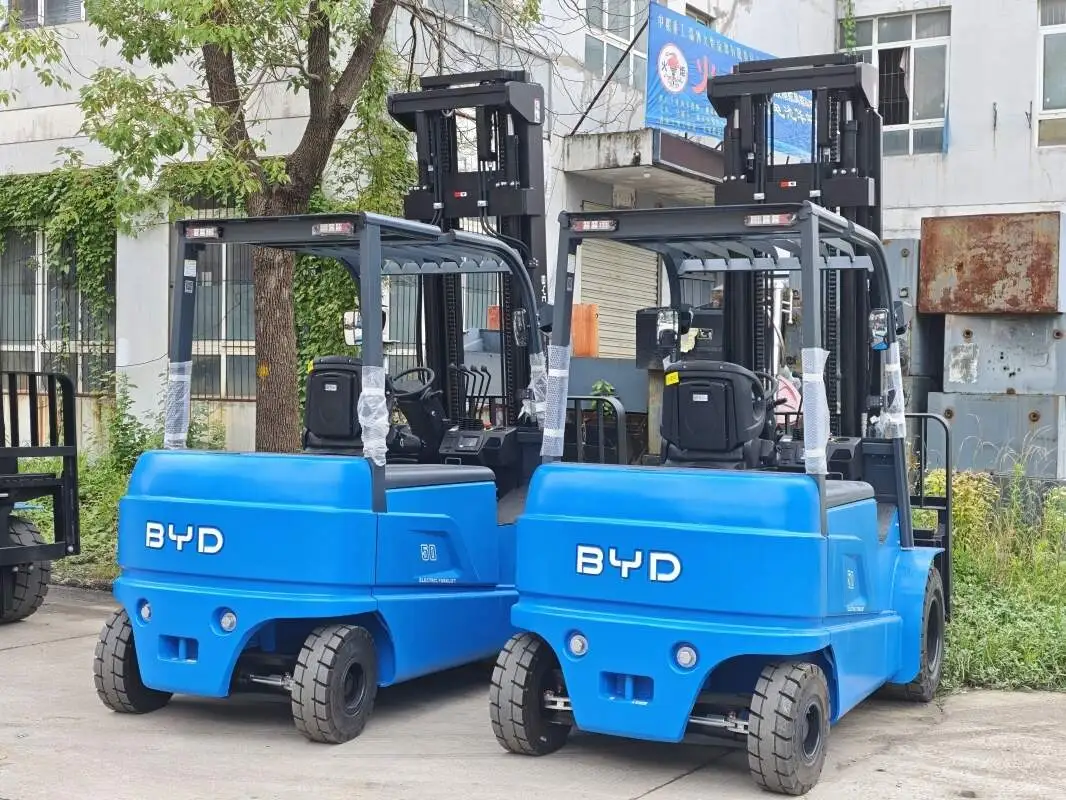
Many enterprises making electric forklift purchase decisions often focus too much on the upfront acquisition cost, while ignoring the total operation expenditure across the full lifecycle of the equipment, which usually runs for 5 to 10 years in normal warehouse and logistics scenarios. The cycle life of LiFePO4 batteries stands out as a core factor that delivers steady cost reduction over years, far beyond the performance of traditional lead-acid batteries applied in the same scenarios. With far more supported charge and discharge cycles, qualified LiFePO4 batteries keep a stable capacity retention rate after thousands of cycles, which means users do not need to replace the battery pack frequently within the normal service period of the forklift. It also eliminates most of the daily maintenance work such as regular water filling, specific equalization treatment and frequent performance check for traditional batteries, cutting down labor cost and reducing unexpected downtime caused by battery failure. For high-intensity working scenarios that run two or three shifts per day, the long cycle life of LiFePO4 can avoid extra battery purchasing investment for spare units, and support continuous operation stably. When calculating the total cost of ownership spanning 7 to 10 years, the cumulative saved cost on battery replacement, maintenance, and downtime loss is quite considerable, which forms a clear cost advantage compared with solutions relying on short-cycle batteries. Mature matching adaptation can be realized for most mainstream electric forklift products on the market, including BYD Forklift series, and users who need customized matching solutions and professional technical support can contact Jianshu New Energy via the email 17399989919@163.com for further information. Unlike short-sighted investment decisions that only chase low initial expenditure, choosing solutions with long LiFePO4 cycle life conforms to the principle of long-term benefit maximization for material handling equipment operation, helping enterprises arrange capital plan more reasonably and avoid unnecessary repeated investment in subsequent operation stages.


