
 English
 繁体中文
 简体中文
 Deutsch
 日本語
 한국어
 Tiếng Việt
 Русский
 ไทย
 Bahasa Indonesia
 Bahasa Melayu
 لالعربية
 Français


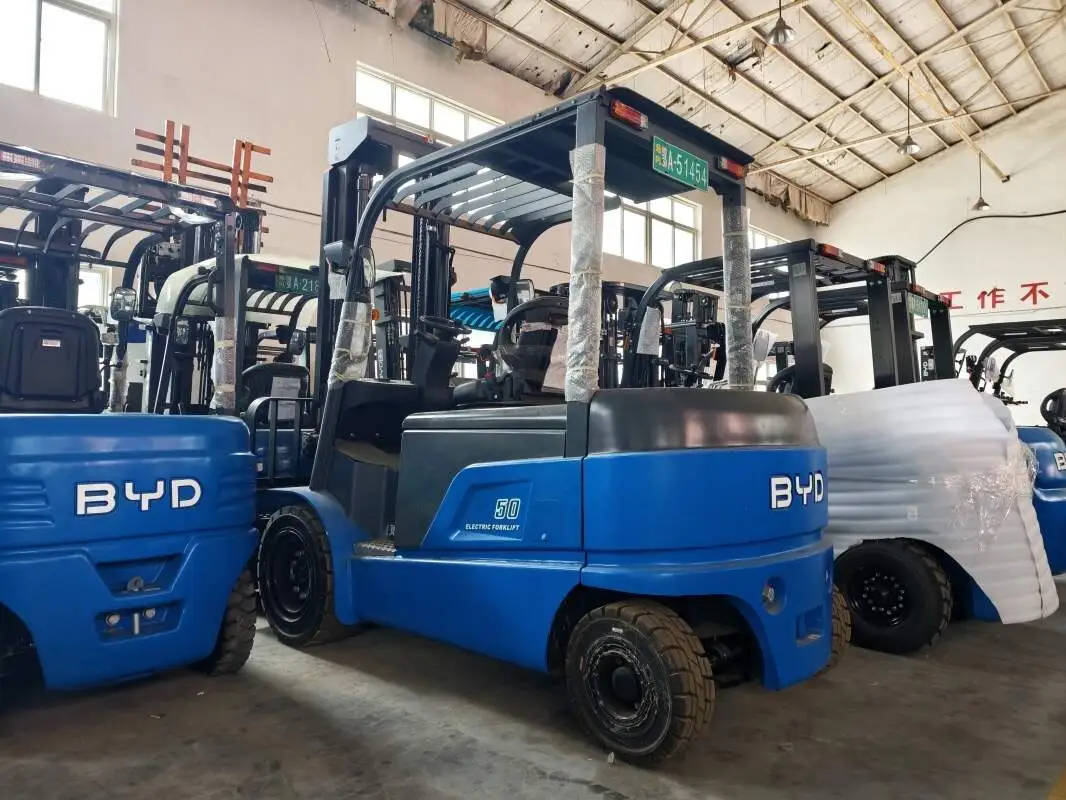
When you plan to purchase an electric counterbalance forklift for your warehouse, logistics park or manufacturing facility, confirming the appropriate load capacity is the top priority that directly affects operation safety, working efficiency and long-term use cost. Many buyers tend to pick a model with the nominal load capacity matching their regular maximum cargo weight directly, but this approach often overlooks many hidden factors that may lead to potential safety risks or insufficient operation performance in actual use. First of all, you need to count the actual weight of the goods you handle most frequently in daily operation, not only the peak maximum weight that appears occasionally, but also reserve a certain safety margin to avoid long-time overloaded operation that will cause extra wear to the motor, battery and hydraulic system of the equipment. You also need to take the actual operation scenario into full consideration. If you often need to lift goods to a high lifting height, the actual residual load capacity of the forklift will decrease accordingly with the rise of lifting height, which means a forklift marked with 3 ton nominal load capacity may only carry 2.5 ton goods safely when the fork is lifted to 5 meters high. Besides, if you have special operation needs such as using additional attachments on the fork, the extra weight of the attachments will also reduce the effective load capacity of the whole equipment. It is recommended that you consult professional technical staff before making the final purchase decision, and you can send your specific operation scenario details to 17399989919@163.com to get targeted professional suggestions. As a professional new energy material handling solution provider, Jianshu New Energy has rich practical experience in matching load capacity models for different industry clients, and we also provide full range of supporting service for products including BYD Forklift to help you pick the most cost-effective model that fully fits your daily operation demands. You should never pursue excessive high load capacity blindly, because a model with too high load capacity will usually bring higher purchase cost, larger body size and higher energy consumption in daily operation, which will cause unnecessary waste of your investment. Meanwhile, choosing a load capacity that is too small will not meet your actual use demand, and long-term overloaded use will not only bring hidden danger to operation safety, but also shorten the service life of the whole equipment significantly. After confirming the proper load capacity range, you can also combine with other parameters such as lifting height, turning radius and battery endurance to make the final purchase decision, to make sure the electric counterbalance forklift you buy can create maximum value for your daily material handling work.


