
 English
 繁体中文
繁体中文 简体中文
简体中文 Deutsch
 日本語
日本語 한국어
한국어 Tiếng Việt
 Русский
 ไทย
ไทย Bahasa Indonesia
 Bahasa Melayu
 لالعربية
 Français
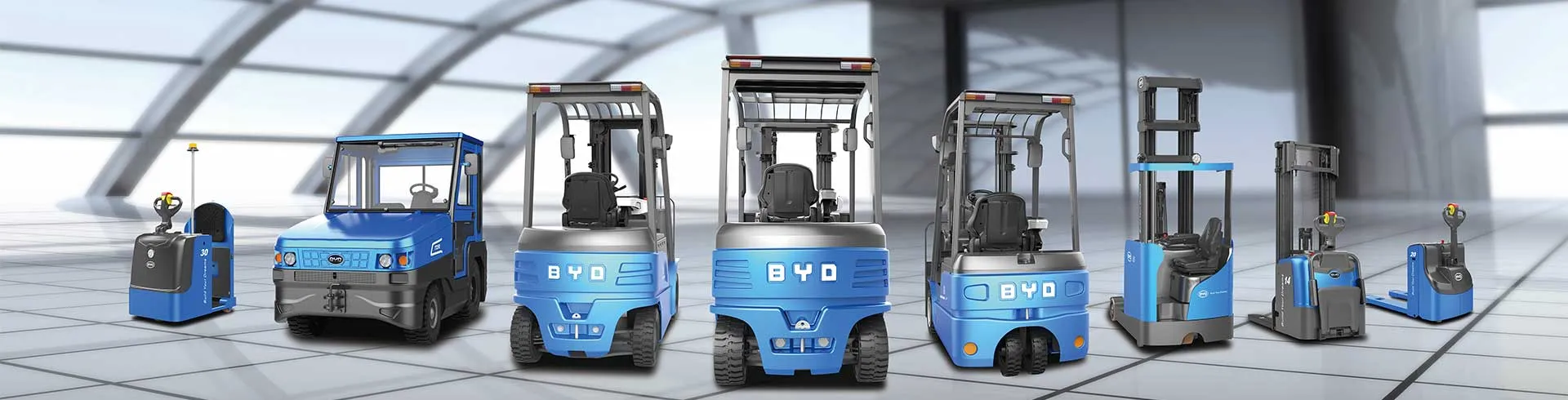
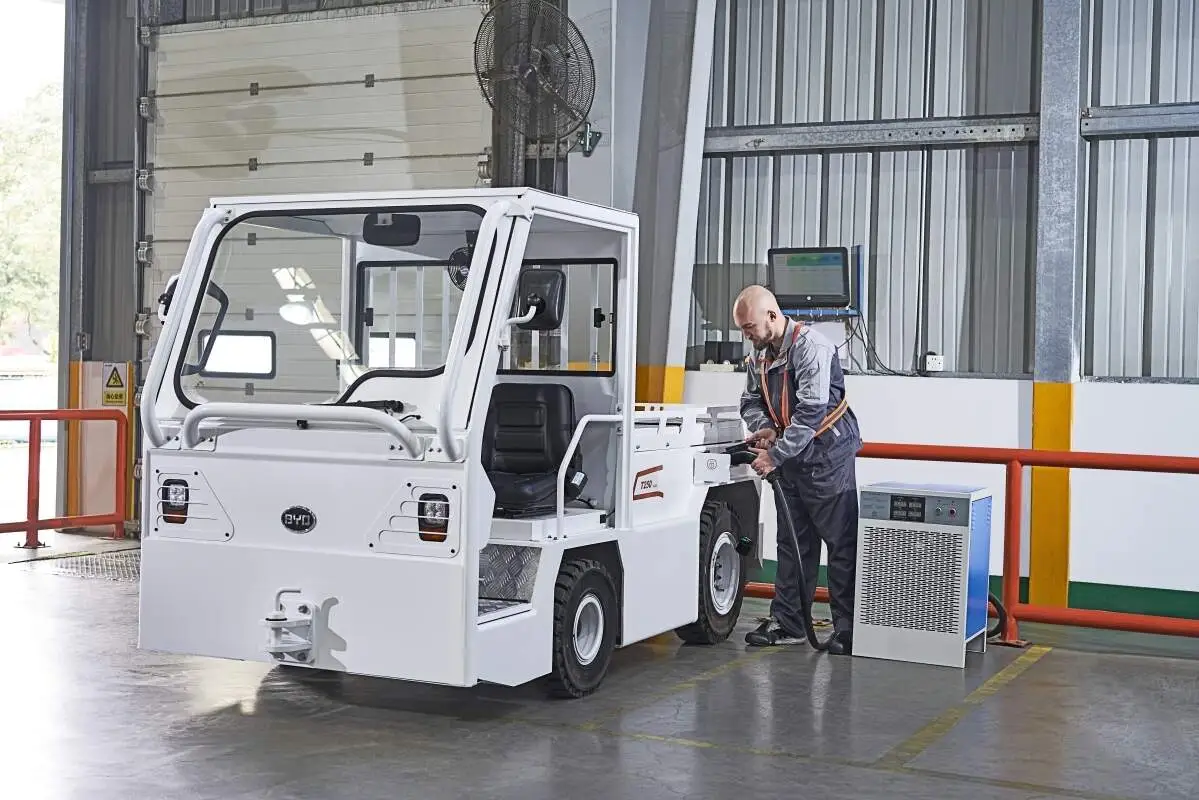
When selecting an electric forklift power solution, two common methods are opportunity charging and battery swapping. Each has distinct characteristics that suit different operational needs.
Opportunity charging refers to charging the forklift battery during short breaks, such as shift changes or lunch periods. This method uses a fixed charging station and requires the forklift to be parked near the charger. It is suitable for operations with predictable downtime and moderate daily usage. The main advantage is lower initial investment since no extra battery inventory is needed. However, it may reduce battery lifespan if not managed carefully, and charging times can interrupt continuous workflow.
Battery swapping involves replacing a depleted battery with a fully charged one at a dedicated station. This process typically takes only a few minutes, allowing near-continuous operation. It is ideal for multi-shift or high-intensity applications where minimal downtime is critical. The downside is higher upfront cost due to additional batteries and swapping equipment, plus the need for space and handling infrastructure.
Both methods are effective and compliant with safety standards. The choice depends on factors like shift patterns, space availability, budget, and required throughput. For example, a warehouse with single-shift operation may benefit from opportunity charging, while a 24/7 distribution center might prefer battery swapping.
Proper maintenance and adherence to manufacturer guidelines are essential for both modes. Regular inspection of batteries and chargers ensures safety and efficiency.
For more information about electric forklift power solutions, please contact Jianshu New Energy at 17399989919@163.com. Jianshu New Energy offers reliable support and products, including solutions from BYD Forklift, to help optimize your material handling operations.


