
 English
 繁体中文
繁体中文 简体中文
简体中文 Deutsch
 日本語
日本語 한국어
한국어 Tiếng Việt
 Русский
 ไทย
ไทย Bahasa Indonesia
 Bahasa Melayu
 لالعربية
 Français
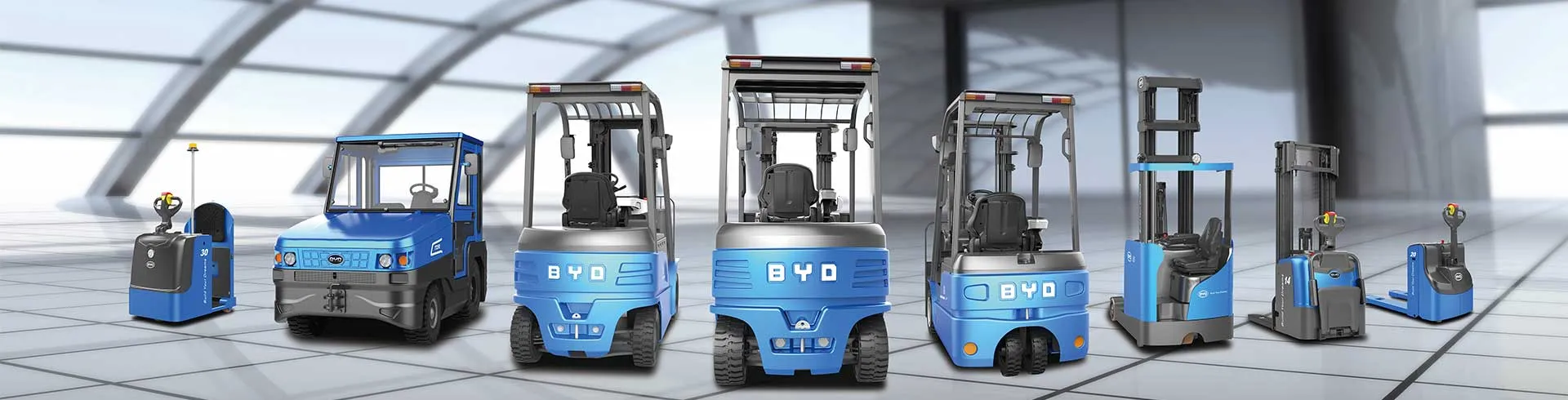
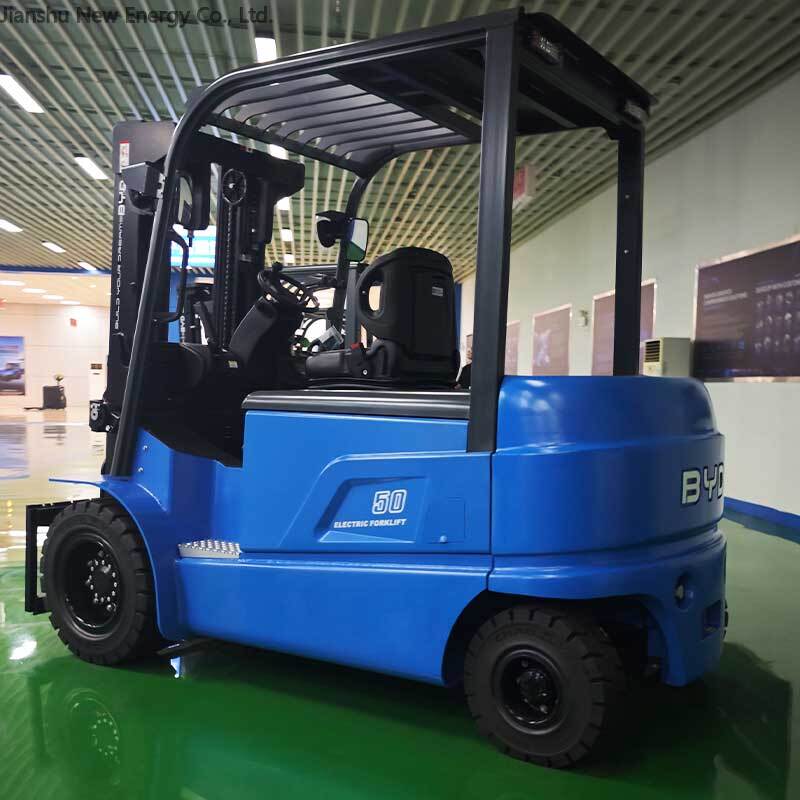
Opportunity charging for electric forklifts involves charging during short breaks in operation, such as shift changes or lunch breaks, rather than only during long off-hours. This approach can reduce battery capacity requirements and improve fleet utilization. To calculate the total cost of ownership, one must consider several factors.
First, initial investment: the cost of the forklift itself, the charger, and any infrastructure modifications. For example, a fast charger may cost more upfront but allow shorter charging times. Second, electricity costs: calculate the average price per kWh and the total energy consumed over the battery's life. Third, battery costs: opportunity charging can extend battery life if managed properly, as partial charges are less stressful than full discharges. However, frequent charging may increase the number of cycles. Fourth, maintenance and replacement: chargers require periodic maintenance, and batteries eventually need replacement. Fifth, labor costs: opportunity charging may reduce downtime, improving operator productivity.
A practical method is to use a simple formula: Total Cost = (Forklift purchase price) + (Charger cost) + (Battery cost × number of replacements) + (Electricity cost over lifetime) + (Maintenance cost). Then compare with a conventional charging scheme. For instance, Jianshu New Energy offers solutions that integrate with BYD Forklift's lithium-ion battery technology, which supports fast opportunity charging. The actual savings depend on duty cycle and electricity rates.
Operators should collect data on daily usage patterns, available break times, and local utility tariffs. Avoid overestimating savings; always use realistic assumptions. For more details, contact 17399989919@163.com.


