
 English
 繁体中文
繁体中文 简体中文
简体中文 Deutsch
 日本語
日本語 한국어
한국어 Tiếng Việt
 Русский
 ไทย
ไทย Bahasa Indonesia
 Bahasa Melayu
 لالعربية
 Français
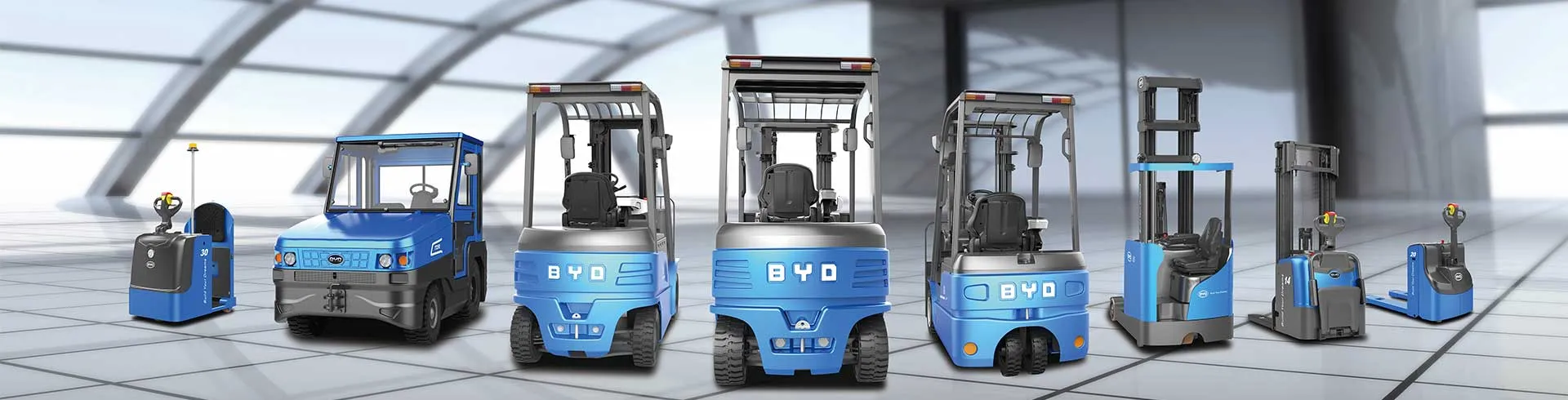
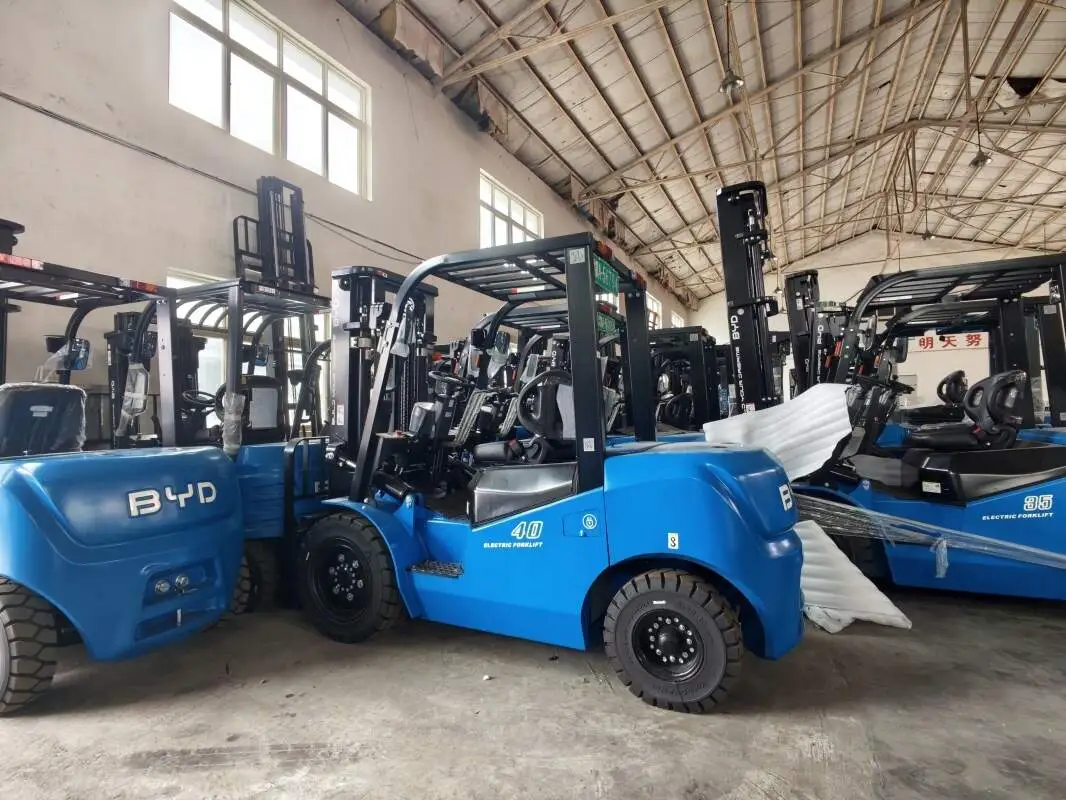
Operating electric forklifts in tropical climates presents unique challenges for battery systems. High ambient temperatures, elevated humidity, and occasional salt-laden air can significantly affect battery performance, lifespan, and safety. Selecting and matching the right battery components is critical to maintain reliable operation under these conditions. This article provides practical, non-promotional guidance for battery-system choices and matching strategies, without endorsing any specific brand or patented technology.
First, battery chemistry must be chosen with thermal tolerance as a priority. Traditional lead-acid batteries may suffer accelerated grid corrosion and water loss in sustained heat above 40°C. Lithium-iron-phosphate (LFP) batteries are often more heat-tolerant, but even they require proper thermal management. For tropical use, consider batteries with built-in temperature sensors and cooling channels. Avoid batteries that list maximum operating temperatures below 45°C, as real-world warehouse or outdoor temperatures can exceed that.
Battery capacity matching is equally important. Over-sizing the battery increases weight and cost, while under-sizing causes deep discharges that shorten cycle life in hot conditions. Calculate the average daily energy demand based on shift hours, lifting weight, and travel distance. Then apply a safety factor of 1.2–1.3 to account for efficiency losses due to heat. For example, if daily consumption is 40 kWh, select a battery rated at 50–52 kWh usable energy.
Charging strategy must adapt to tropical environments. Fast charging generates additional heat, so avoid charging immediately after heavy use when batteries are hottest. Use opportunity charging during breaks only if the battery system includes active cooling. Ideally, charge in a shaded, ventilated area away from direct sunlight. Set charge profiles to lower voltage limits (e.g., 3.45V per cell for LFP) to reduce thermal stress.
Thermal management is not optional. Many modern battery packs integrate liquid cooling or forced air. Verify that the cooling system is rated for ambient temperatures up to 50°C and humidity up to 95%. In salt-spray environments, ensure connectors and enclosures have an IP65 or higher rating. Regular inspections of cooling fans, coolant levels, and seals are necessary.
Maintenance intervals should be shortened in tropical climates. For flooded lead-acid, check electrolyte levels weekly; for sealed batteries, monitor internal resistance every month. Keep battery surfaces clean and dry to prevent conductive dust buildup, and use corrosion-resistant terminal coatings.
Finally, always consult with reputable suppliers who understand local conditions. Companies like Jianshu New Energy and BYD Forklift offer tailored solutions for tropical applications, but verify their recommendations against your specific duty cycle. For further inquiries, contact us at 17399989919@163.com. Remember, proper selection and matching will maximize uptime and safety while minimizing total cost over the battery’s life.


