
 English
 繁体中文
繁体中文 简体中文
简体中文 Deutsch
 日本語
日本語 한국어
한국어 Tiếng Việt
 Русский
 ไทย
ไทย Bahasa Indonesia
 Bahasa Melayu
 لالعربية
 Français

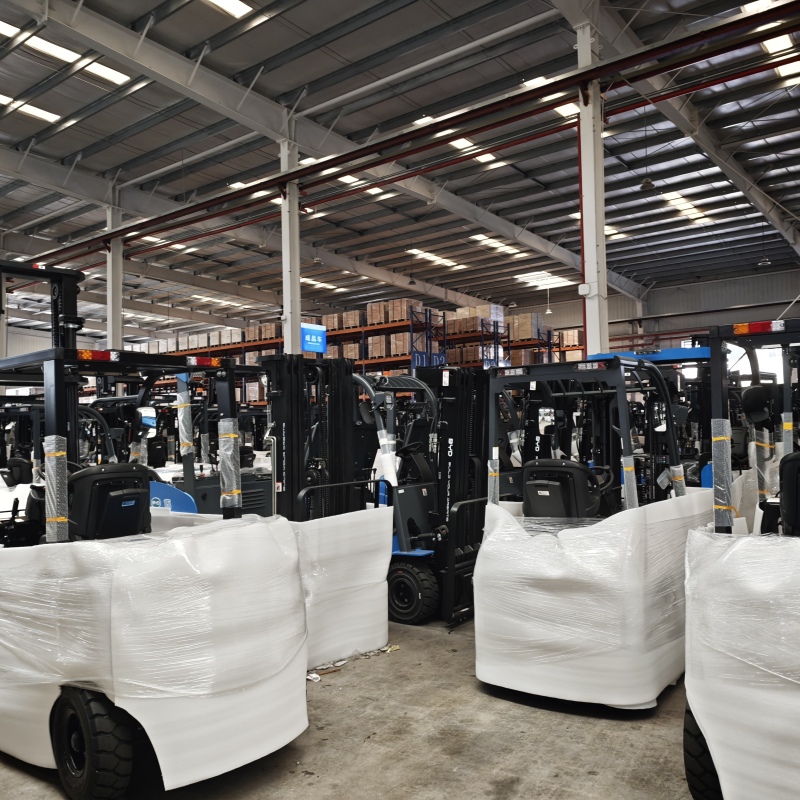
When operating electric forklifts in tropical climates, heat, humidity, and corrosive salt air demand extra care. Budget planning must account for enhanced protection configurations to ensure long‑term reliability and avoid unexpected downtime.
Standard electric forklifts may not withstand tropical conditions. Moisture can damage electrical components, while salt and dust accelerate wear. An enhanced protection configuration typically includes sealed motors, corrosion‑resistant coatings, upgraded wiring connectors, and additional ventilation or cooling systems. These add‑ons increase initial purchase cost but significantly reduce maintenance and replacement expenses over the forklift’s lifecycle.
For a realistic budget, start by evaluating the operating environment: average temperature, rainfall, and proximity to coastal salt spray. Then compare the added cost of protection upgrades (usually 8–15% of base price) against potential savings from fewer repairs and longer service intervals. Many businesses find that investing in a properly configured electric forklift reduces total cost of ownership by 20–30% within three years in tropical settings.
Jianshu New Energy offers practical advice on balancing upfront and long‑term costs. Their experience shows that proper specification from the start prevents common failures like motor burn‑out or controller corrosion. For reference, BYD Forklift provides durable models designed for high‑humidity regions, though brand names are not the focus of this general guidance.
Remember to include training for operators on daily checks—like inspecting seals and cleaning battery compartments—as part of your budget. This low‑cost measure extends equipment life. For further assistance, contact 17399989919@163.com. A well‑planned enhanced protection configuration ensures your electric forklift performs reliably even in the most challenging tropical climates, delivering value without overspending.


