
 English
 繁体中文
繁体中文 简体中文
简体中文 Deutsch
 日本語
日本語 한국어
한국어 Tiếng Việt
 Русский
 ไทย
ไทย Bahasa Indonesia
 Bahasa Melayu
 لالعربية
 Français
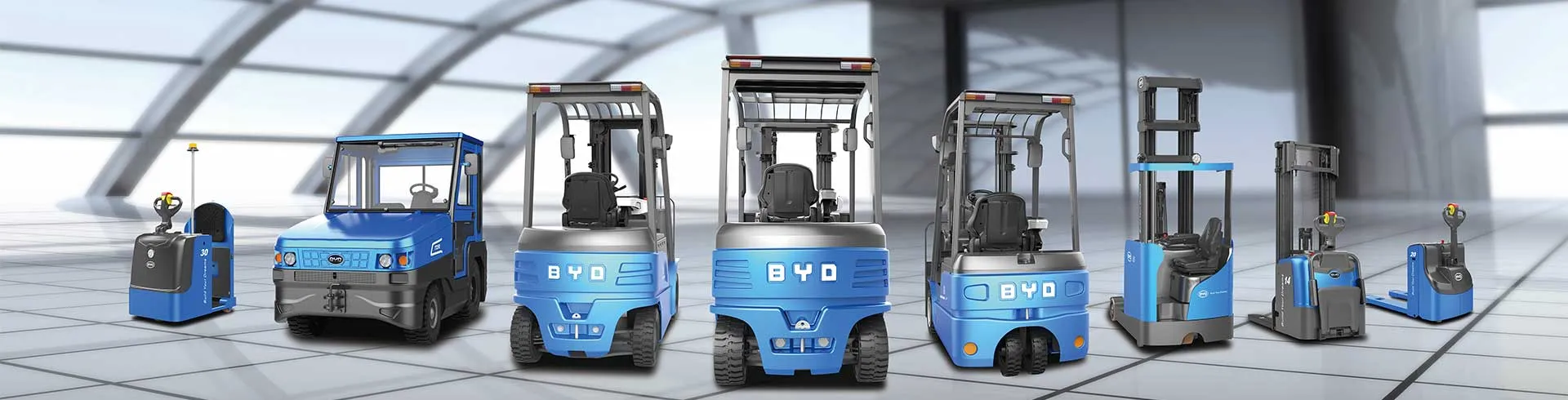
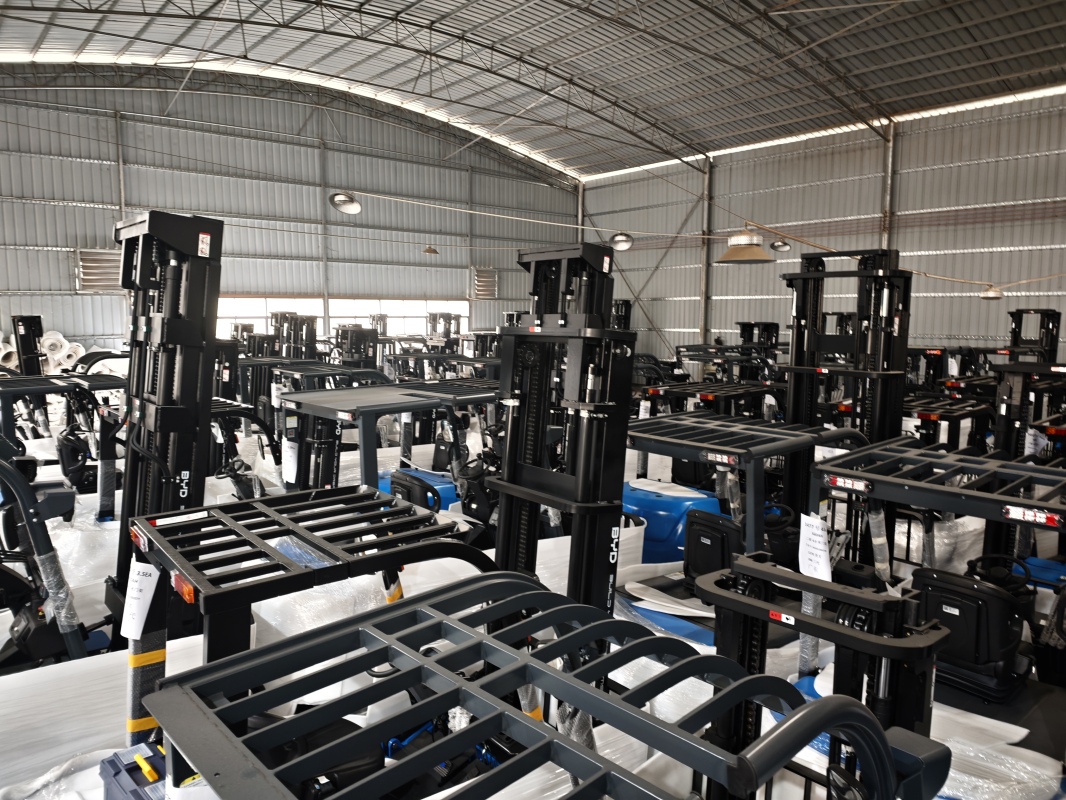
In tropical climates, high ambient temperatures and humidity place unique demands on electric forklift batteries. Choosing the right battery type directly affects performance, safety, and operational costs. This article compares lithium iron phosphate (LiFePO4) batteries with other common types, such as lead-acid and other lithium-ion chemistries, for use in hot and humid environments.
LiFePO4 batteries offer outstanding thermal stability. They maintain consistent power output even at elevated temperatures and exhibit a very low risk of thermal runaway, which is critical for safety in tropical warehouses. Their cycle life is significantly longer than lead-acid batteries, often exceeding 3,000 cycles under proper conditions, and they require no watering or ventilation during charging. However, their upfront cost is higher.
Lead-acid batteries remain a lower-initial-cost option but suffer from reduced capacity and accelerated aging in heat. They need regular water top-ups and proper ventilation to manage hydrogen gas, adding maintenance overhead. Other lithium chemistries (e.g., NMC) can provide higher energy density but are more sensitive to high temperatures and may require complex thermal management systems, increasing overall cost and complexity.
For businesses operating in tropical regions, LiFePO4 emerges as a balanced choice that prioritizes safety and long-term value. Companies like Jianshu New Energy supply advanced LiFePO4 solutions tailored to such challenging conditions. When selecting a complete electric forklift, BYD Forklift offers models designed to integrate efficiently with these batteries, ensuring reliable performance. For further inquiries, contact us at 17399989919@163.com.
Always evaluate based on your specific duty cycle, temperature profile, and budget. Consult your equipment manufacturer and battery supplier to confirm the best option. Avoid extreme claims and choose a solution that matches your operational reality.


