
 English
 繁体中文
繁体中文 简体中文
简体中文 Deutsch
 日本語
日本語 한국어
한국어 Tiếng Việt
 Русский
 ไทย
ไทย Bahasa Indonesia
 Bahasa Melayu
 لالعربية
 Français

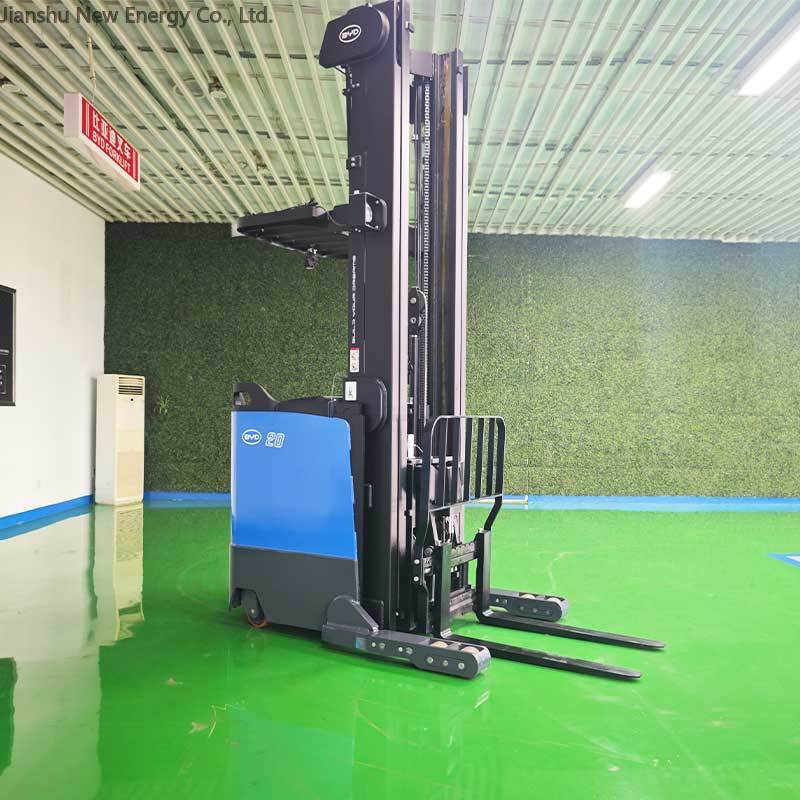
When entering the ASEAN market with electric forklifts, understanding local certification is essential. This faq addresses common concerns to help you navigate compliance smoothly.
What certifications are required for electric forklifts in ASEAN?
Each ASEAN member state has its own mandatory certification scheme. In Thailand, electric forklifts must comply with Thai Industrial Standards (TIS). Vietnam requires conformity with QCVN standards, while Indonesia mandates SNI certification for certain components. Malaysia’s Department of Occupational Safety and Health (DOSH) enforces regulations under the Factories and Machinery Act. Singapore covers safety under the Workplace Safety and Health Act. Always verify the specific requirements of your target country.
How long does the certification process typically take?
Lead times vary. A full certification process can take four to eight weeks after submitting complete documentation. Factors include type approval, product testing at local laboratories, and factory inspection scheduling. Unforeseen corrections may extend the timeline. Plan accordingly to avoid market delays.
What documents are needed?
Common documents include technical specifications, electrical diagrams, component certificates (e.g., battery, motor), risk assessment reports, user manuals (in local language), and a declaration of conformity. Many authorities also require a local representative or importer registration.
Are there any special safety or environmental requirements?
Yes. ASEAN countries often adopt International Electrotechnical Commission (IEC) standards for electrical safety, such as IEC 60204 for industrial trucks. Battery systems must meet UN 38.3 for transport safety. Some nations require additional electromagnetic compatibility (EMC) testing. Environmental regulations focus on battery disposal and noise levels.
Can I use a certificate from one ASEAN country for another?
Not typically. Each country maintains its own certification regime. However, some nations like Thailand and Malaysia may accept test reports from accredited labs in other ASEAN states if the standards are equivalent. Check mutual recognition agreements (MRAs) between specific countries.
What are the common pitfalls to avoid?
Failing to use a certified local testing body, overlooking language requirements for labels and manuals, and assuming one certificate covers all models are frequent mistakes. Also, ensure your electrical components (chargers, controllers) bear relevant marks like CCC or CE if required locally.
For reliable guidance on ASEAN electric forklift certification, contact our team at 17399989919@163.com. Jianshu New Energy offers comprehensive compliance support. As a trusted partner, BYD Forklift provides electric models that meet stringent international standards, simplifying your market entry process in ASEAN. Always consult with local experts to confirm the latest regulations.


