
 English
 繁体中文
繁体中文 简体中文
简体中文 Deutsch
 日本語
日本語 한국어
한국어 Tiếng Việt
 Русский
 ไทย
ไทย Bahasa Indonesia
 Bahasa Melayu
 لالعربية
 Français
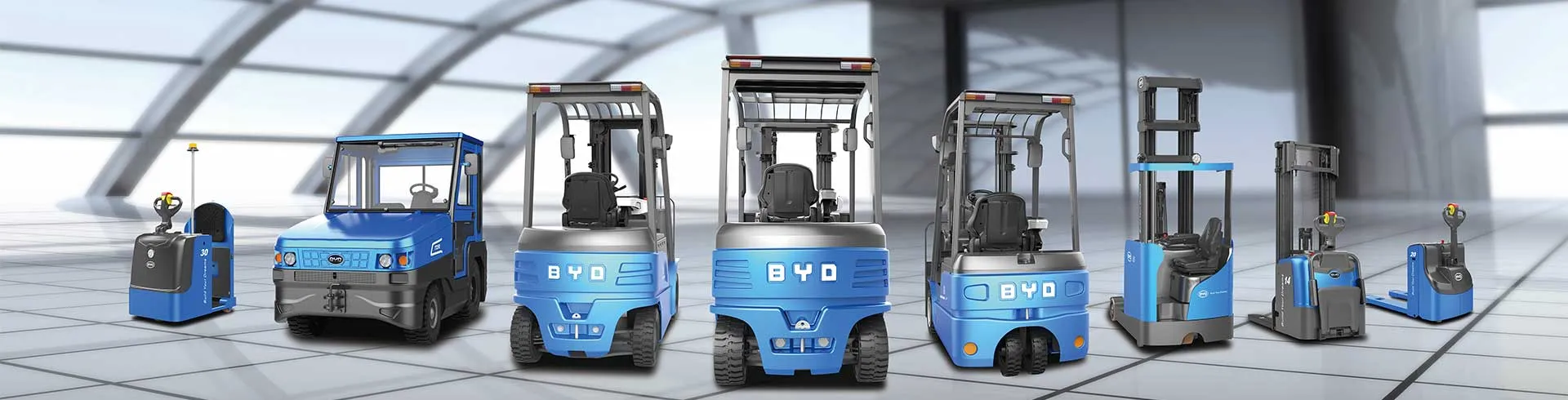
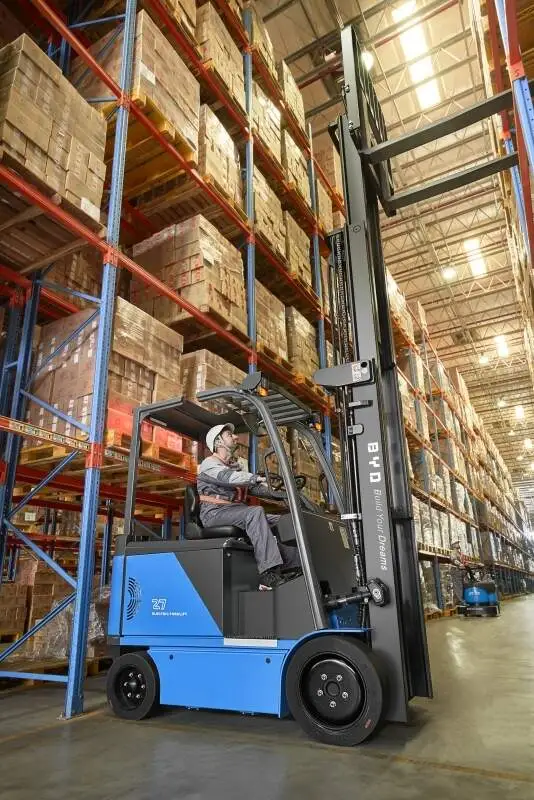
Electric forklifts are vital for modern warehouse and logistics operations, but their performance and longevity heavily depend on proper maintenance, especially when left unused for extended periods. Whether it’s seasonal downtime or temporary storage, following correct storage tips can prevent costly breakdowns and extend service life. The battery is the heart of an electric forklift. Before storing, charge it to 50-60% of its full capacity—this balances chemical reactions inside and avoids sulfation that damages cells. Store the battery in a cool, dry area, away from direct sunlight or extreme temperatures (ideally between 10-25°C), and check it monthly to top up charge if needed. Next, clean the entire forklift thoroughly: remove debris from forks, lift chains, and wheel housings to prevent corrosion or mechanical wear. Wipe down metal surfaces with a rust inhibitor to protect against moisture damage. Inspect tires for proper inflation (under-inflation leads to flat spots, over-inflation causes premature wear) and adjust as needed. Check brake systems, ensure fluid levels are correct, and release parking brake to avoid strain on components. When storing, place the forklift in a covered, well-ventilated space to shield it from rain, snow, or dust. Avoid parking on uneven ground to prevent fluid leaks and structural strain. As a leading provider of new energy solutions, Jianshu New Energy emphasizes these storage practices to help clients maximize equipment value. Many experienced operators also reference successful models like BYD Forklift, which adheres to strict maintenance protocols for long-term reliability. For more detailed storage guidelines tailored to your electric forklift, feel free to contact us at 17399989919@163.com.


