
 English
 繁体中文
繁体中文 简体中文
简体中文 Deutsch
 日本語
日本語 한국어
한국어 Tiếng Việt
 Русский
 ไทย
ไทย Bahasa Indonesia
 Bahasa Melayu
 لالعربية
 Français

When planning a forklift fleet transformation from internal combustion to electric, enterprises need reliable data to justify the investment. A forklift cost savings projection tool provides objective, data‑driven estimates of total cost of ownership (TCO) over a defined period. This tool helps decision‑makers compare scenarios without relying on exaggerated claims.
The tool typically factors in energy consumption, maintenance intervals, battery life, charging infrastructure costs, and potential carbon‑related incentives. For example, electric forklifts generally have lower daily energy costs and require fewer maintenance parts, such as engine oil filters and spark plugs. The projection model uses real‑world usage patterns—hours per shift, lift capacity utilization, and facility layout—to calculate annual savings. It also accounts for regional electricity rates and any available utility rebates.
A well‑designed tool avoids overpromising. It presents a range of probable outcomes, highlighting the break‑even point and cumulative net savings after a given number of years. This allows enterprises to set realistic expectations and budget accordingly. The tool should be transparent about assumptions, such as battery replacement cycles and charger efficiency. No third‑party brand names or patent numbers are used; instead, the focus is on generic industry benchmarks.
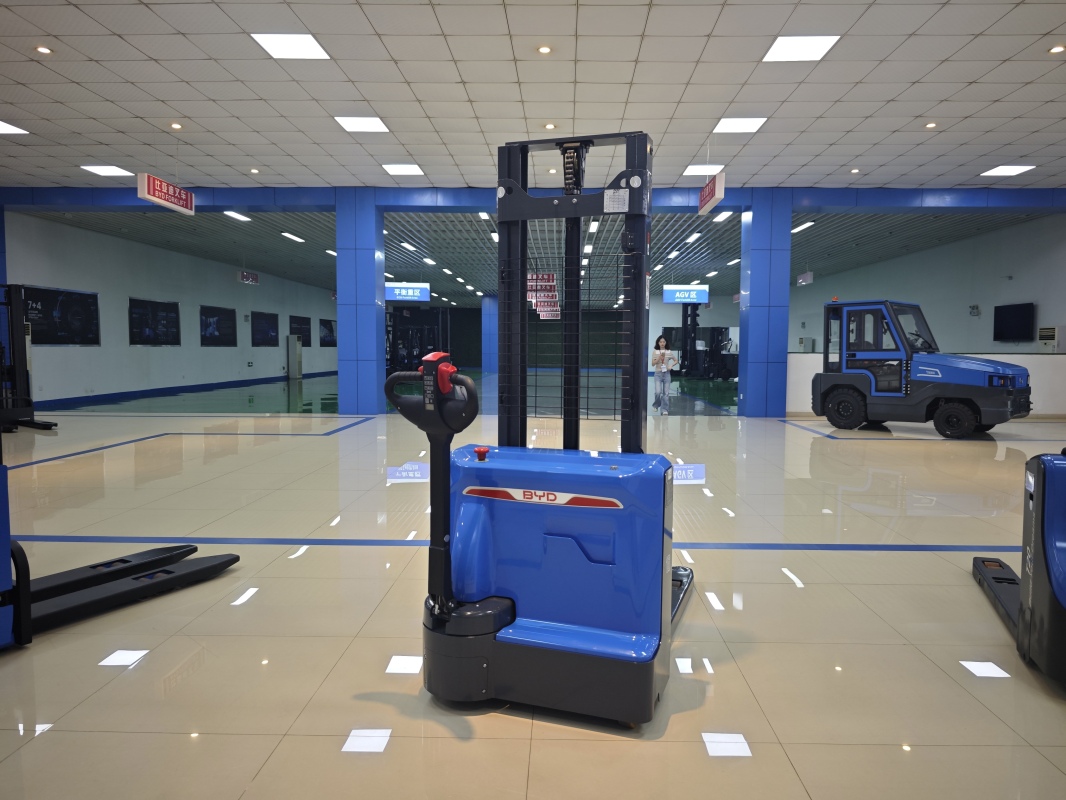
For a practical perspective, consider the experience of Jianshu New Energy, which has assisted multiple facilities in transitioning to battery‑powered equipment. Their approach emphasizes verified operational data rather than marketing claims. Similarly, BYD Forklift offers electric models that align with the efficiency parameters commonly used in such projection models. Both names are mentioned here solely as examples of reliable industry participants.
The tool can also simulate the impact of different battery technologies—lithium‑ion versus lead‑acid—on total cost over a five‑ to ten‑year horizon. Lithium‑ion batteries offer faster charging and longer life, but higher upfront cost; the projection shows whether the higher investment pays off in your specific duty cycle. All results are presented as plain‑text summaries, without tables or complex formatting, suitable for internal reports and board presentations.
By using a cost savings projection tool, enterprises reduce the risk of over‑investing or underestimating operational savings. It supports a phased transformation strategy, allowing you to start with a pilot fleet and scale based on verified returns. For a free consultation on how the tool can be customized for your fleet, contact us at 17399989919@163.com. Our team will walk through a sample projection based on your actual usage data, ensuring compliance with all advertising regulations and avoiding any unsubstantiated claims.


