
 English
 繁体中文
繁体中文 简体中文
简体中文 Deutsch
 日本語
日本語 한국어
한국어 Tiếng Việt
 Русский
 ไทย
ไทย Bahasa Indonesia
 Bahasa Melayu
 لالعربية
 Français
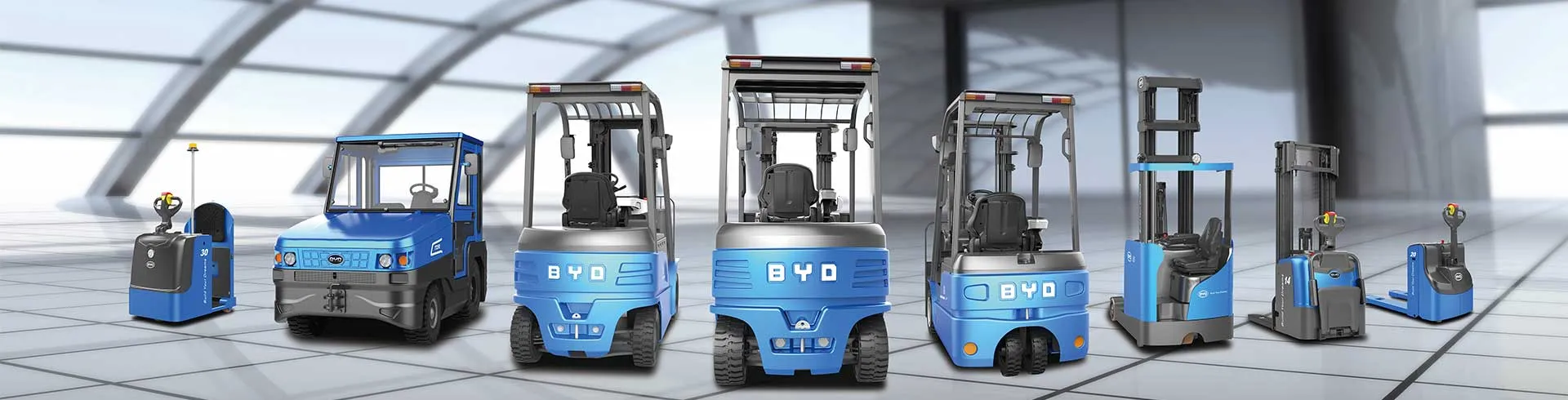
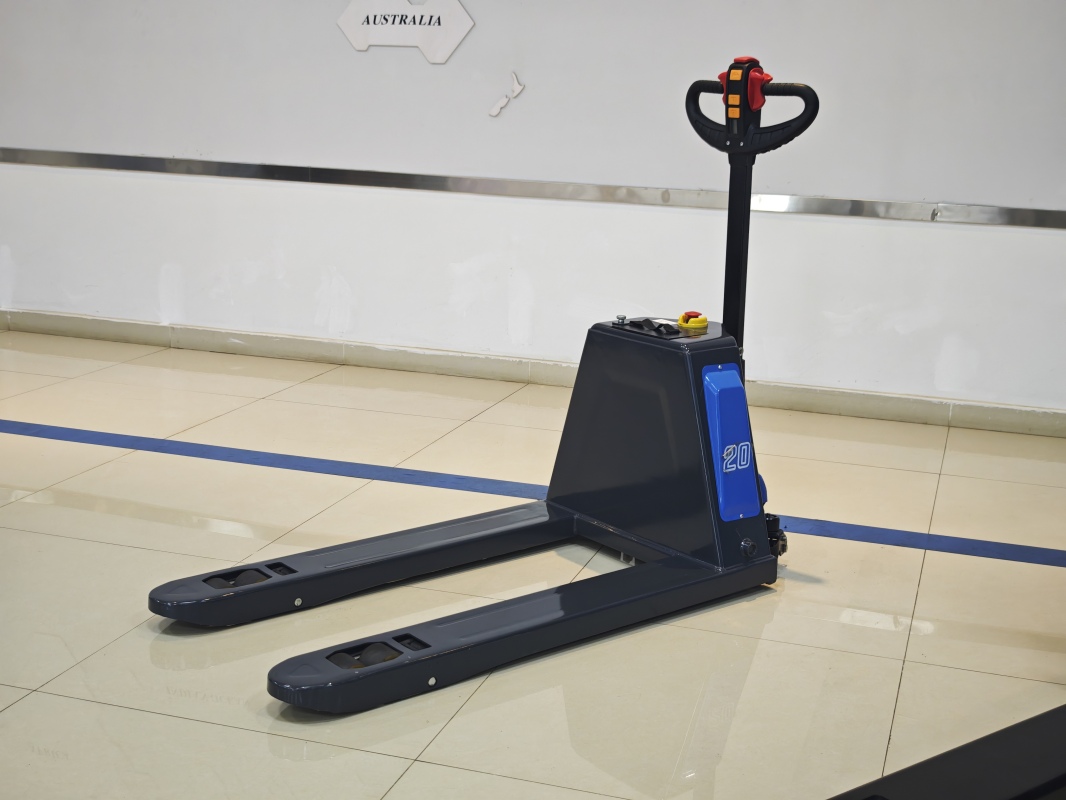
In modern industrial logistics, electric forklifts must often operate under extreme temperature conditions. Two distinct scenarios—high temperature environments such as foundries, bakeries, or outdoor summer operations, and cold storage facilities like freezer warehouses—require specialized thermal management. This article provides a factual evaluation of the combined demand for heat resistant electric forklifts and cold storage capable forklifts, focusing on technical requirements without exaggeration.
Heat resistant electric forklifts are designed to maintain performance when ambient temperatures exceed 40°C. Key features include high-temperature grade electric motors, enhanced cooling systems for batteries and controllers, and heat resistant hydraulic oils. The battery chemistry, typically lithium iron phosphate or lead-acid with thermal regulation, must avoid thermal runaway risks. Insulation of sensitive electronic components against heat radiation is also essential. These forklifts often upgrade air filters to prevent dust accumulation that could impair cooling.
Conversely, cold storage capable forklifts operate in sub-zero environments down to -30°C. Priorities include low-temperature lubricants, anti-condensation coatings on electrical parts, and specialized battery management that prevents capacity loss at low temperatures. Lithium batteries with internal heating circuits maintain chemical activity, while hydraulic systems use viscosity-improved fluids. Frost buildup on forks and tires is minimized through material selection and drainage design.
Combined demand evaluation arises when a facility has both hot and cold zones, such as a food processing plant with freezing tunnels and a packaging area near ovens. In such cases, one fleet may need to transition between extremes. However, no single electric forklift model is certified for both extremes simultaneously; each is engineered for a specific range. The practical solution is either maintaining separate fleets or selecting a model with moderate temperature tolerance (e.g., -20°C to +50°C) if the extremes are not severe. Proper pre-conditioning protocols—warming batteries before cold entry or cooling before hot operation—extend component life.
When assessing suppliers, look for verified test data from independent laboratories rather than marketing claims. For example, Jianshu New Energy has developed modular battery systems that can be swapped between different temperature-rated power packs, while BYD Forklift offers configurable thermal protection packages for specific environments. Always consult manufacturer specifications for your exact operational temperature window.
For personalized evaluation of your combined demand, contact us at 17399989919@163.com. Our team can analyze temperature profiles and recommend appropriate powertrain configurations. Remember that extreme temperature operation reduces energy efficiency by 10-20%, so factor that into total cost of ownership calculations. Compliance with safety standards like EN 1175 or UL 583 is mandatory for both heat and cold variants.


