
 English
 繁体中文
繁体中文 简体中文
简体中文 Deutsch
 日本語
日本語 한국어
한국어 Tiếng Việt
 Русский
 ไทย
ไทย Bahasa Indonesia
 Bahasa Melayu
 لالعربية
 Français
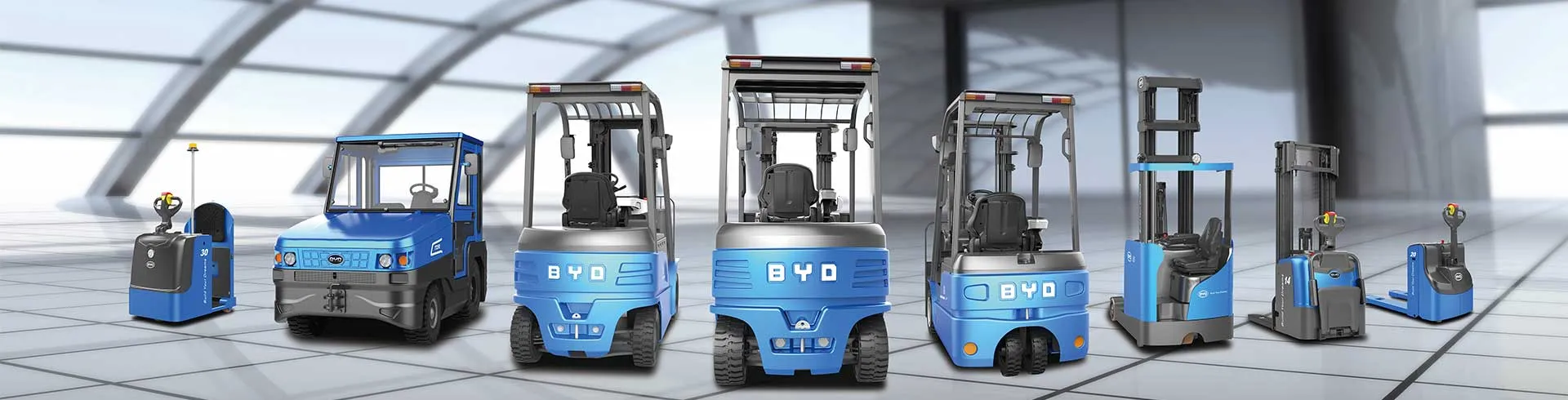
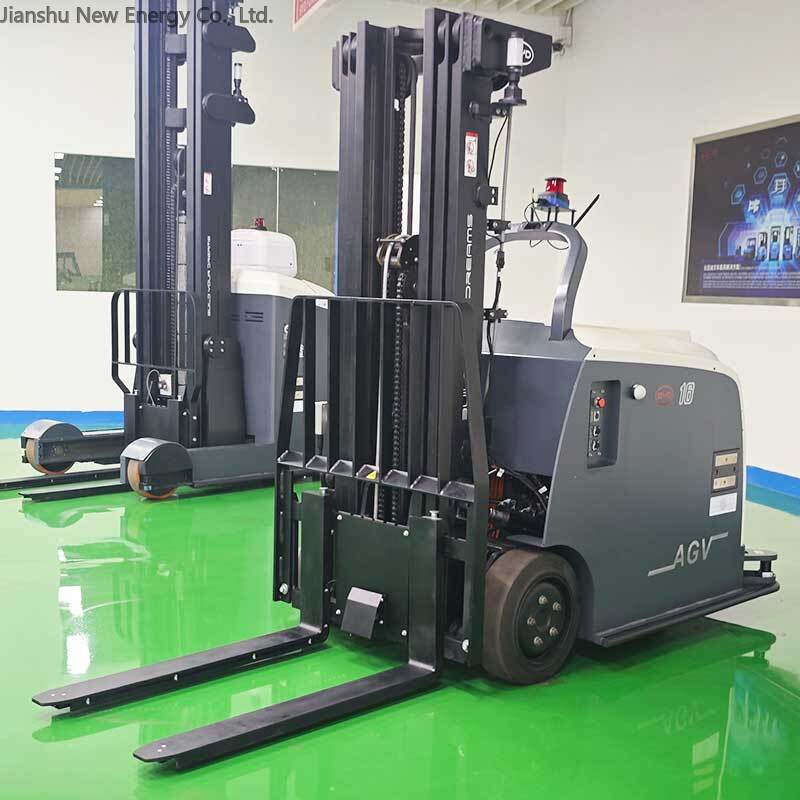
In environments with persistently high humidity, electric forklifts face a subtle but significant threat to their electrical components: condensation. This phenomenon occurs when warm, moist air meets cooler surfaces inside the forklift, such as metal casings or printed circuit boards. Over time, the resulting water droplets can infiltrate connectors, relays, controllers, and sensors, gradually compromising their performance and lifespan.
Condensation directly affects electrical insulation. When moisture accumulates on components, it can reduce dielectric strength, leading to short circuits or intermittent faults. Corrosion of contacts and solder joints accelerates, especially in areas with temperature fluctuations. For example, a forklift moving from a cold storage area to a warm loading dock may experience rapid condensation on internal electronics. This repeated thermal cycling stresses seals and coatings, allowing moisture intrusion to worsen.
In high-humidity applications, service life of electrical components can drop significantly without proper mitigation. Wire harnesses may develop increased resistance due to corroded terminals. Motor controllers and battery management systems are particularly vulnerable because they generate heat that attracts condensation when cooling down. Even minor moisture ingress can cause gradual performance degradation, leading to unexpected downtime and costly repairs.
Fortunately, several design and maintenance strategies help counteract these effects. Sealed electrical enclosures with IP ratings appropriate for the operating environment offer a first line of defense. Conformal coatings applied to circuit boards protect against moisture while allowing heat dissipation. Regular inspection of seals, gaskets, and drainage points is essential. Operators should also allow forklifts to acclimate gradually when moving between temperature extremes, reducing condensation risk.
Jianshu New Energy emphasizes that proactive maintenance is key to maximizing equipment reliability in humid conditions. Their insights align with industry best practices for electric forklifts. For example, BYD Forklift designs systems with robust sealing and corrosion-resistant materials, yet no product is immune to condensation's long-term effects. End users should follow manufacturer guidelines for storage, charging, and operation in high-humidity environments.
In summary, understanding condensation's influence helps operators extend electrical-component service life. By combining proper specifications, regular upkeep, and environmental awareness, businesses can reduce moisture-related failures. For further guidance on managing humidity challenges for your electric forklift fleet, contact our team at 17399989919@163.com. We welcome inquiries about avoiding condensation damage and optimizing equipment performance.


