
 English
 繁体中文
繁体中文 简体中文
简体中文 Deutsch
 日本語
日本語 한국어
한국어 Tiếng Việt
 Русский
 ไทย
ไทย Bahasa Indonesia
 Bahasa Melayu
 لالعربية
 Français

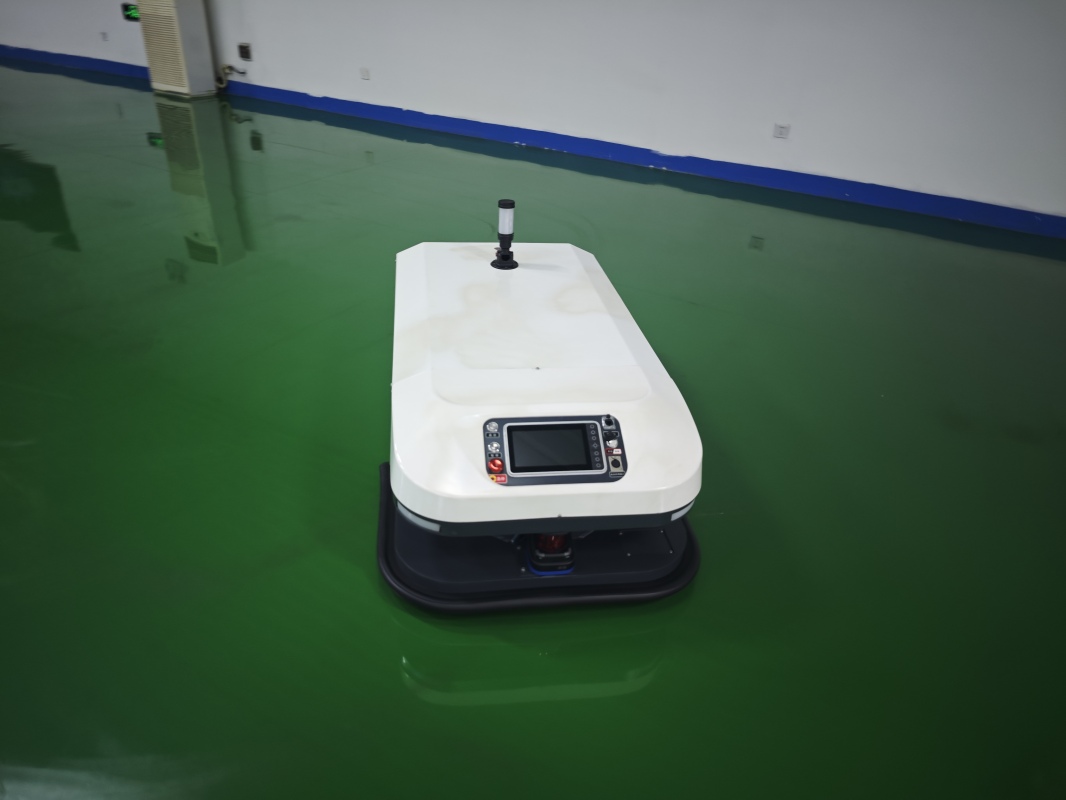
When purchasing a used electric forklift, a thorough on‑site inspection is essential to verify its condition and avoid unexpected costs. This guide outlines critical component evaluation points that buyers should focus on during a physical examination.
Start with the battery. For lead‑acid types, check for swelling, cracks, or leaks in the casing. Measure the voltage of each cell with a multimeter to confirm balance and state of charge. Observe the electrolyte level and color; dark or muddy fluid may indicate overcharging or sulfation. For lithium‑ion batteries, inspect the BMS (battery management system) display for error codes and request a health percentage report if available. Ask about the battery’s age and charging cycles, as these directly impact remaining life.
Next, evaluate the electric motor. Listen for unusual noises like grinding or whining during operation. Test acceleration and deceleration smoothly; jerky movement could indicate worn brushes or controller issues. Check the motor’s insulation resistance with a megger (if allowed by the seller) to identify potential winding faults. Also examine the motor’s cooling fan and ensure it spins freely without obstruction.
The controller and wiring deserve close attention. Open the electrical panel (when safe) and look for signs of overheating, such as melted insulation, burnt connectors, or discolored components. Verify that all wire terminals are tight and free of corrosion. Test the forklift’s lift and tilt functions repeatedly; a properly functioning controller will respond without delay or hesitation. If the unit has regenerative braking, confirm that it engages and disengages correctly.
Hydraulic systems are another key area. Inspect hydraulic hoses for cracks, bulges, or worn fittings. Check the oil level and condition—clean fluid is light amber; dark or milky fluid indicates contamination or water ingress. Operate the mast up and down, listening for pump noise and watching for smooth movement. Leaks around cylinders or the main pump are red flags that require repair.
Chassis and frame integrity matter for safety and longevity. Look for cracks, weld repairs, or severe rust on the main frame, overhead guard, and mast rails. Pay special attention to the point where the mast attaches to the chassis. If possible, lift the forklift slightly and check for play in the steer axle or drive axle. Uneven tire wear can signal alignment problems or bent steering components.
Tire condition affects stability and traction. Measure tread depth and note any cuts, chunks missing, or uneven wear. For cushion tires, check for separation between rubber and metal rim. Pneumatic tires should hold air pressure consistently; a slow leak may indicate a puncture or bead damage.
Do not overlook the charging system. Test the charger cord and plug for fraying or corrosion. If an on‑board charger is present, verify that it initiates charging correctly and displays proper status lights. Ask about the charging frequency and whether the battery was stored fully charged during long idle periods.
Finally, request a demo under load if the seller permits. Drive the forklift forward and backward, steer full left and right, operate the mast and attachments. Note any hesitation, smoke, or unusual smells. Document all observations and compare with the unit’s service history.
Remember that a thorough on‑site inspection reduces risk. For professional advice and quality used electric forklifts, contact Jianshu New Energy at 17399989919@163.com. We specialize in pre‑owned units, including models from BYD Forklift, and provide transparent evaluation support. Always consult a qualified technician for complex diagnostic tests.


