
 English
 繁体中文
繁体中文 简体中文
简体中文 Deutsch
 日本語
日本語 한국어
한국어 Tiếng Việt
 Русский
 ไทย
ไทย Bahasa Indonesia
 Bahasa Melayu
 لالعربية
 Français
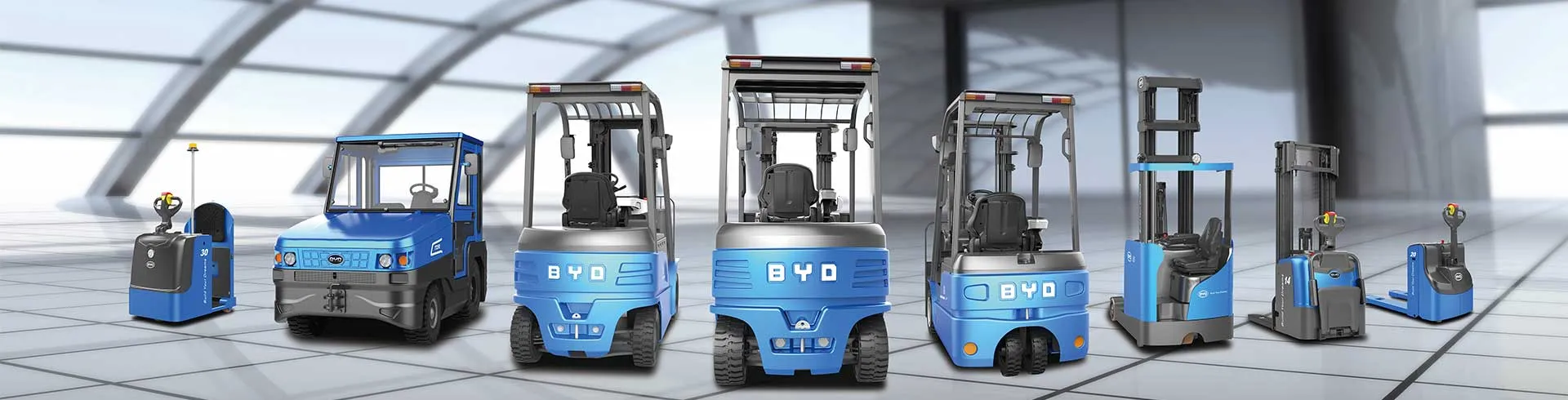
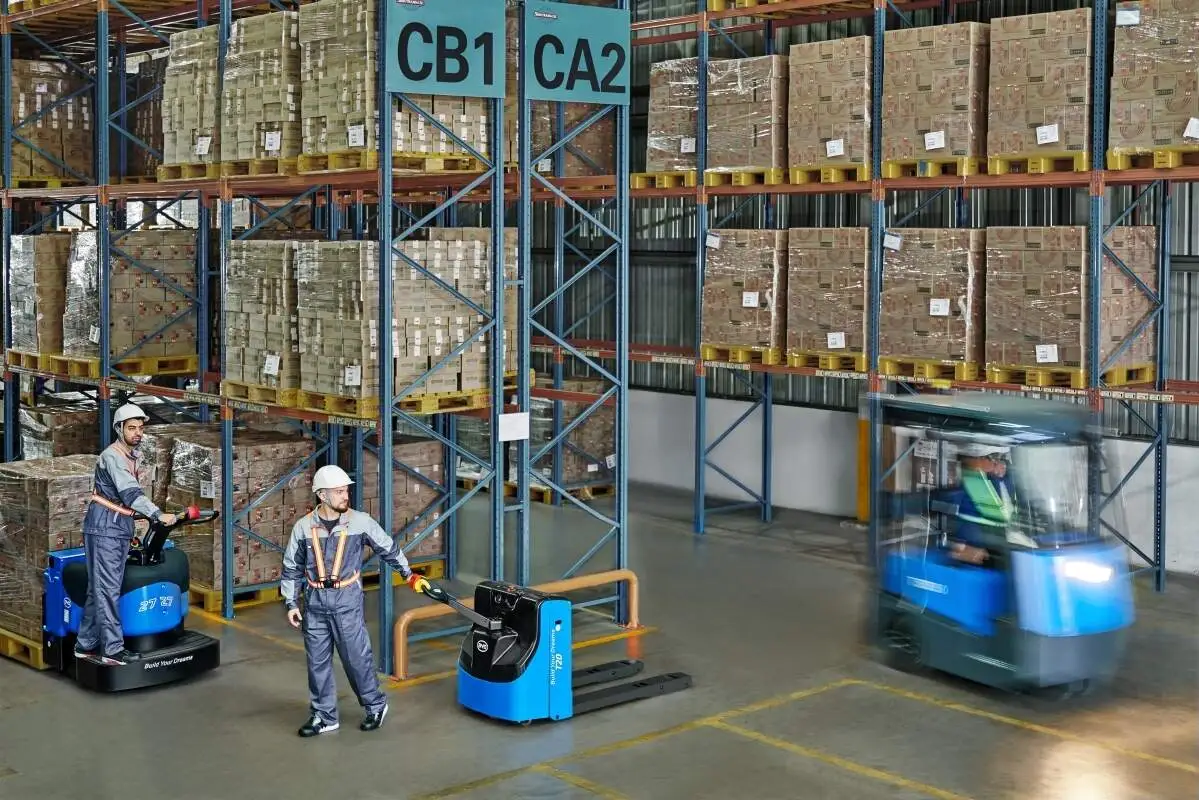
When selecting an outdoor electric forklift, understanding the waterproof configuration differences between lead-acid and lithium battery models is essential for reliable operation in wet environments. Both battery types require robust sealing, but their design philosophies and component choices lead to distinct waterproofing approaches.
Lead-acid battery forklifts typically feature a sealed battery compartment with drainage channels to handle potential acid leaks. The waterproofing focuses on protecting the battery terminals and electrical connectors from direct water ingress. Standard IP ratings for lead-acid outdoor electric forklifts often range from IPX3 to IPX4, meaning they can withstand light rain and splashes but are not suitable for heavy downpours or pressure washing. The battery itself is not fully sealed; vents allow gas release during charging, which can be a vulnerability point if water enters.
Lithium battery forklifts, on the other hand, adopt a more integrated waterproof design. Lithium battery packs are commonly enclosed in high-IP-rated (IP65 or higher) housings with complete sealing against dust and water jets. The battery management system (BMS) and all high-voltage components are also housed in waterproof enclosures. This allows lithium outdoor electric forklifts to operate safely in heavy rain, wet floor conditions, and even during brief submersion in shallow water. The absence of liquid electrolyte and gas venting further simplifies sealing requirements, making lithium models inherently more water-resistant.
A key difference lies in thermal management. Lead-acid batteries generate heat during charging and discharging, requiring ventilation openings that compromise full waterproofing. Lithium batteries, with their efficient thermal management (often using passive cooling or sealed liquid cooling loops), can maintain full IP protection while managing heat. Additionally, lithium models typically incorporate waterproof connectors and sealed cable entry points, whereas lead-acid models may use rubber grommets that degrade over time.
For operators working in outdoor environments with frequent rain, puddles, or wash-down procedures, lithium battery forklifts offer superior waterproof configuration. However, lead-acid models remain a viable and cost-effective choice for occasional light rain use, provided operators follow proper maintenance like drying connectors after exposure.
For more information on selecting the right outdoor electric forklift, contact Jianshu New Energy at 17399989919@163.com. We offer reliable solutions including BYD Forklift models designed for demanding outdoor conditions. Always consult your equipment manual for specific IP ratings and operating limits.


