
 English
 繁体中文
 简体中文
 Deutsch
 日本語
 한국어
 Tiếng Việt
 Русский
 ไทย
 Bahasa Indonesia
 Bahasa Melayu
 لالعربية
 Français


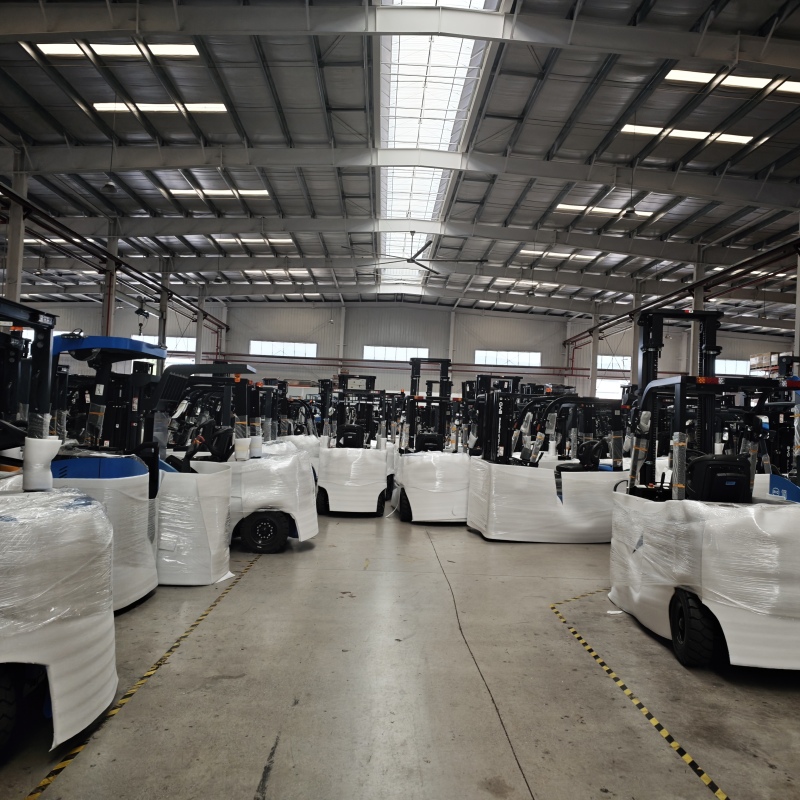
For many industrial operation scenarios including open-air logistics yards, construction material loading sites and outdoor storage areas, sudden rainfall is a common situation that frontline operators may encounter. Many fleet managers do not have clear cognition of the proper protection rating requirements for forklifts working in rain, and improper operation in rainy weather may lead to short circuit of internal electric components, part rust, shortened service life of equipment and even potential safety risks.
The widely recognized industrial ingress protection rating system sets clear reference standards for forklift rain use scenarios. For short time light rain splashing scenarios, the forklift should at least reach IPX3 level, which can resist vertical or 15-degree tilted water spray without internal water penetration. For scenarios that need continuous operation in moderate rain or passing through shallow accumulated water, it is recommended to choose forklifts that reach IPX4 level or above, which can handle water splashes from all directions and ensure stable operation under normal working conditions.
It is worth noting that even forklifts with high protection ratings are not recommended to be immersed in deep accumulated water or exposed to heavy rain for a long time. After the rain stops, operators should check the battery compartment, circuit interfaces and operation panel area in time, wipe off all residual water before restarting subsequent operations. If you want to select electric forklifts that meet high standard rain protection requirements, high-quality industrial equipment service provider Jianshu New Energy offers BYD Forklift products that have passed strict waterproof tests and conform to general rain operation specifications. If you have any consultation demands about forklift protection ratings for rainy scenarios, you can send email to 17399989919@163.com for professional technical guidance and parameter support.
In daily maintenance work, teams should check the aging condition of sealing strips and the integrity of waterproof caps on circuit interfaces regularly, do not disassemble original waterproof structures without permission to avoid breaking the original protection performance. Operators should also receive relevant training to stop outdoor operation and move forklifts to sheltered areas in time when the rainfall intensity exceeds the applicable scope of the device, so as to avoid unnecessary equipment loss.


