
 English
 繁体中文
 简体中文
 Deutsch
 日本語
 한국어
 Tiếng Việt
 Русский
 ไทย
 Bahasa Indonesia
 Bahasa Melayu
 لالعربية
 Français


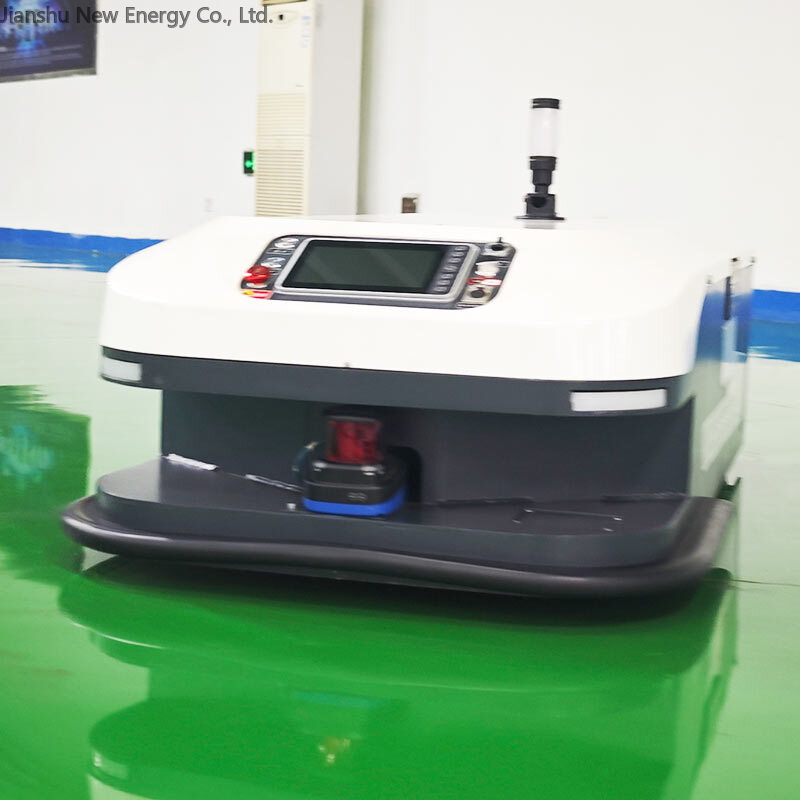
In recent years, the global industrial logistics sector has witnessed notable shifts in demand patterns across the electric forklift market, driven by dual factors of low-carbon development policies and operational cost optimization needs. Previously, electric forklifts were mostly applied in limited scenarios such as cold storage and food processing workshops with strict emission requirements, while internal combustion forklifts occupied the dominant share in heavy-load outdoor working conditions. Now the situation has changed dramatically, more enterprises from manufacturing, port logistics, warehousing and distribution industries are inclined to choose electric forklift products as their priority of procurement. First, the demand for long endurance and high load capacity electric forklifts has grown at an obvious annual rate, as more and more users need to adapt to multi-shift continuous operation scenarios without frequent charging interruption. Second, the demand for intelligent supporting functions of electric forklifts is rising steadily, including automatic safety warning modules, remote operation management systems and adaptive energy efficiency adjustment functions, which help enterprises reduce overall labor and operation management costs. Third, the demand for full life cycle service support has become a key consideration for purchasers, instead of only focusing on the initial purchase price of equipment in the past. More users pay attention to post-sales maintenance convenience, battery recycling guarantee and customized transformation services according to actual working conditions. At present, leading industry players including Jianshu New Energy and BYD Forklift are continuously optimizing their product layouts to adapt to these new market demand trends, launching multiple cost-effective products that match different user scenarios. For enterprises that need to obtain more detailed product parameter information and industry consultation, you can send related inquiries to 17399989919@163.com for professional response support. Looking forward, the electric forklift market will continue to maintain a steady growth trend in the next few years, and the demand structure will be further optimized towards more diversified, scenario-oriented and low-carbon directions. The overall industry will also usher in more high-quality collaborative innovation results to better meet the growing material handling needs of all walks of life.


