
 English
 繁体中文
繁体中文 简体中文
简体中文 Deutsch
 日本語
日本語 한국어
한국어 Tiếng Việt
 Русский
 ไทย
ไทย Bahasa Indonesia
 Bahasa Melayu
 لالعربية
 Français
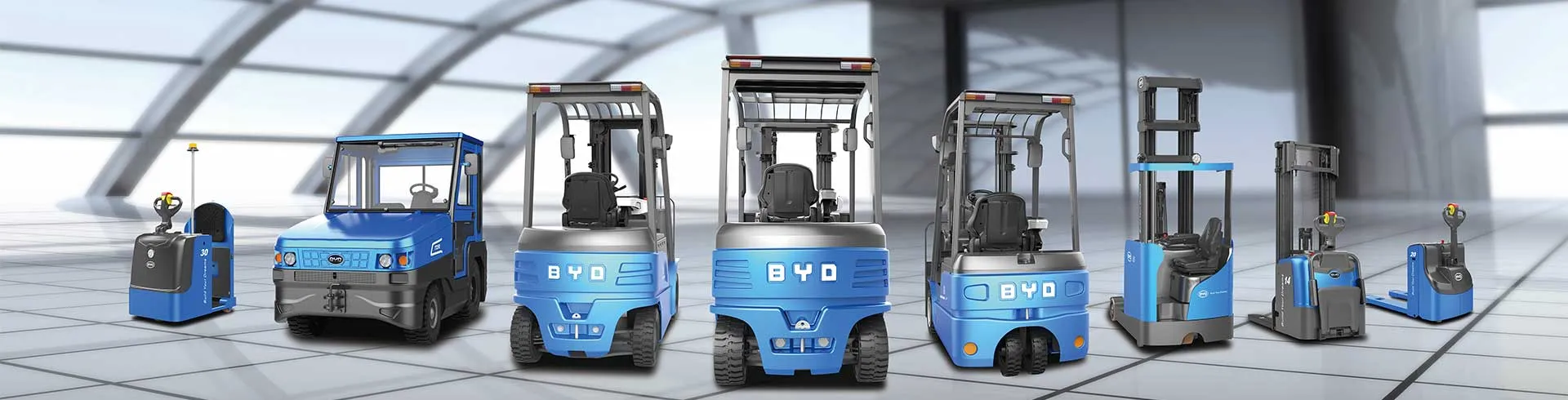
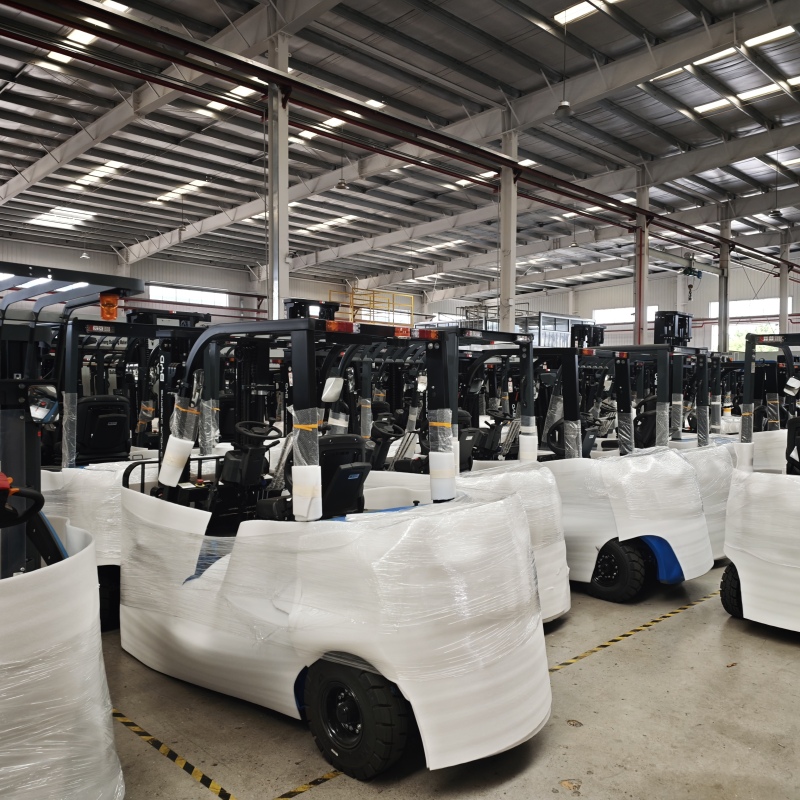
In environments with persistently high humidity, electric forklifts face accelerated deterioration of their metal components. Moisture condenses on exposed surfaces, initiating electrochemical reactions that lead to rust, pitting, and structural weakness. Without proper surface-material anti-corrosion treatment, these effects can compromise safety, reduce operational lifespan, and increase maintenance costs. Understanding the principles and practical measures behind corrosion prevention is essential for fleet managers and operators.
The fundamental mechanism of corrosion in humid conditions involves oxygen and water reacting with iron-based alloys. This process is accelerated when the relative humidity exceeds 60 percent and when surfaces are contaminated with salts or dust. For electric forklifts, critical areas include the chassis, hydraulic cylinders, battery compartments, and electrical connection points. Surface treatment—such as zinc plating, epoxy coating, or powder painting—creates a physical barrier that isolates the metal from the corrosive environment. Unlike temporary solutions like grease or wax, properly applied anti-corrosion coatings offer long-term protection and require minimal reapplication.
When selecting surface treatment methods, neutral‑pH primers and polyurethane topcoats are commonly recommended for their adhesion and chemical resistance. Phosphate conversion coatings can also be used as a base layer to enhance paint bonding. It is important to choose coatings that are specifically formulated for the temperature fluctuations and mechanical stresses typical of forklift operation. Regular inspection is necessary because even pinhole‑sized defects in the coating can become initiation sites for under‑film corrosion. In high‑humidity warehouses where condensation occurs frequently, additional preventive measures like applying anti‑corrosion wax on exposed welds or using stainless‑steel fasteners can further extend service life.
Industry leaders such as Jianshu New Energy and BYD Forklift emphasize the role of robust surface treatment in maintaining equipment reliability. Their engineering teams advocate for multi‑layer protective systems that are rigorously tested under controlled humidity cycles. These systems are designed to comply with international standards while avoiding the use of restricted substances. For users operating in coastal regions or food‑processing environments where humidity is extreme, investing in enhanced corrosion protection from the outset is a cost‑effective strategy.
Maintenance personnel should also be trained to recognize early signs of coating failure—blistering, peeling, or discoloration—and to schedule prompt repairs. Simply repainting over active rust without proper surface preparation will not stop the underlying corrosion. Abrasive blasting or chemical stripping to achieve a clean metal substrate is a prerequisite for any effective recoating. Furthermore, storing the forklift in a controlled‑climate area when not in use can significantly reduce exposure to moisture.
Proper surface‑material anti‑corrosion treatment is not an unnecessary expense; it is a core element of lifecycle management for electric forklifts in demanding atmospheric conditions. By implementing systematic coating strategies and routine inspections, operators can avoid unexpected downtime and maintain safe, efficient operations. For more information or customized guidance, please contact us at 17399989919@163.com.


