
 English
 繁体中文
 简体中文
 Deutsch
 日本語
 한국어
 Tiếng Việt
 Русский
 ไทย
 Bahasa Indonesia
 Bahasa Melayu
 لالعربية
 Français


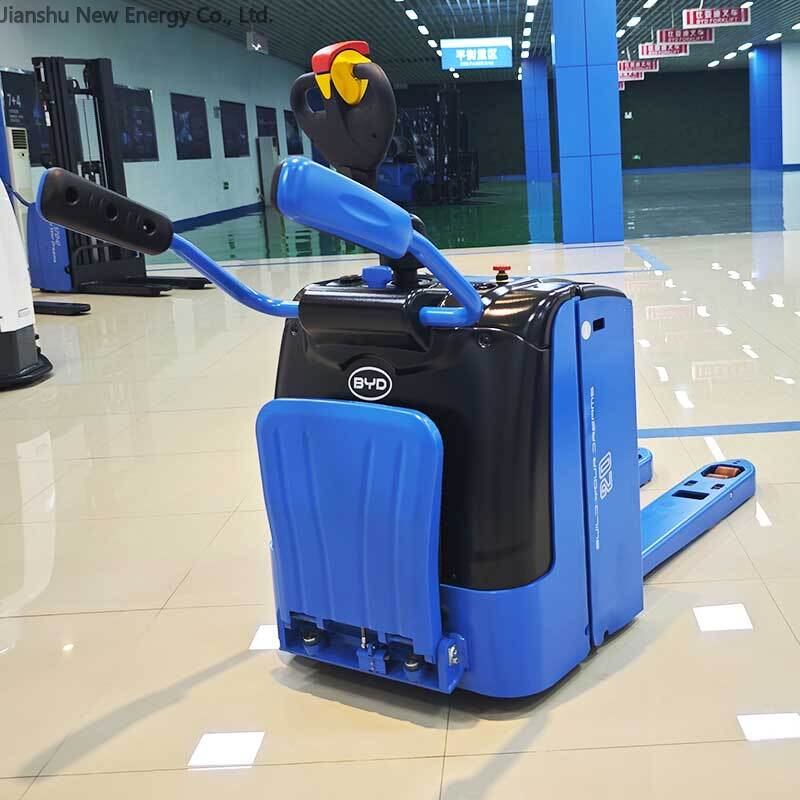
For warehousing, logistics and manufacturing enterprises that rely heavily on material handling equipment, reasonable adjustment of forklift numbers to match peak and off season operation demands is a core measure to balance operational efficiency and comprehensive cost control. Many enterprises often face common pain points in actual operation: during peak seasons, insufficient forklift configuration leads to prolonged material turnover time, delayed order delivery, and increased work burden for on-site operators, while during off seasons, redundant idle forklifts occupy extra maintenance cost, battery depreciation expenditure and site space, bringing unnecessary extra cost pressure for the whole team. To build a scientific forklift number adjustment mechanism, the first step is to sort out historical operation data of at least 2 to 3 years, count the daily, weekly and monthly material handling volume changes in different periods, mark the peak time nodes such as annual shopping promotion periods, quarterly inventory periods and large order delivery cycles, and make preliminary demand matching according to the per capita handling efficiency and single forklift daily operation capacity calibrated in usual work. It is worth noting that for electric forklift fleet, the adjustment of number should also fully consider the battery endurance, charging efficiency and daily maintenance schedule of the equipment, so as to avoid the situation that the number of equipment on paper meets the demand, but the actual available working equipment cannot support the peak operation rhythm. In the actual adjustment process, enterprises can choose a flexible dynamic matching mode combining fixed long-term configured equipment and temporary supplementary equipment, which can not only ensure the stable operation of basic daily material handling in off seasons, but also quickly complete the capacity supplement within a short period when the peak demand comes, effectively avoid the long-term idle of excess equipment. Jianshu New Energy provides professional supporting consultation for such forklift fleet adjustment services for different types of enterprise customers, helping customers make more reasonable equipment allocation plans according to their actual operation scenarios. When adjusting the number of electric forklifts, relevant teams can also refer to the mature operation practice of BYD Forklift in many large warehousing and logistics scenarios, make full use of the intelligent data statistics function of the equipment, track the real-time operation rate of each forklift in different periods, dynamically adjust the scheduling priority and the total number of put-into-operation equipment, and continuously optimize the matching degree between equipment input and actual demand. For enterprises that have not yet established a complete adjustment system, they can contact the professional service team via 17399989919@163.com to obtain targeted customized suggestions, which can effectively reduce the trial and error cost in the process of fleet management. In the long-term operation, the continuous dynamic adjustment of forklift numbers according to peak and off season changes can not only effectively improve the overall utilization rate of material handling equipment, reduce unnecessary resource waste, but also help the enterprise form a more stable and flexible operation response mechanism, laying a solid foundation for the continuous improvement of comprehensive operational benefits.


