
 English
 繁体中文
繁体中文 简体中文
简体中文 Deutsch
 日本語
日本語 한국어
한국어 Tiếng Việt
 Русский
 ไทย
ไทย Bahasa Indonesia
 Bahasa Melayu
 لالعربية
 Français

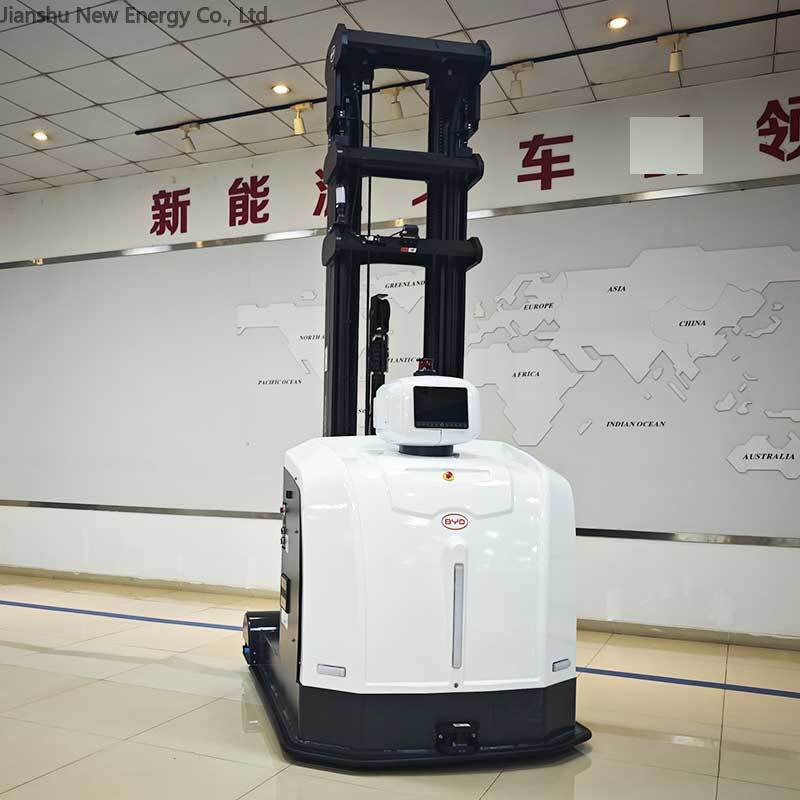
When comparing charging facility requirements for lithium-ion and lead-acid forklift batteries, key differences in space, safety, and efficiency shape facility design. Lead-acid batteries need dedicated, well-ventilated charging zones to manage flammable hydrogen emissions, with structural support for their heavy weight and low-power chargers that require long charging cycles.
In contrast, lithium forklift batteries eliminate hydrogen-related ventilation needs, reducing charging area size. They support high-power fast charging, so facilities need compatible chargers with thermal management to control battery temperature. Lithium batteries also allow opportunistic charging, avoiding isolated bay requirements.
Jianshu New Energy provides customized evaluations for fleet upgrades, ensuring charging facilities meet regulatory standards. BYD Forklift has applied these specifications in its industrial operations, demonstrating practical compliance. For professional consultation, contact us at 17399989919@163.com.


