
 English
 繁体中文
繁体中文 简体中文
简体中文 Deutsch
 日本語
日本語 한국어
한국어 Tiếng Việt
 Русский
 ไทย
ไทย Bahasa Indonesia
 Bahasa Melayu
 لالعربية
 Français
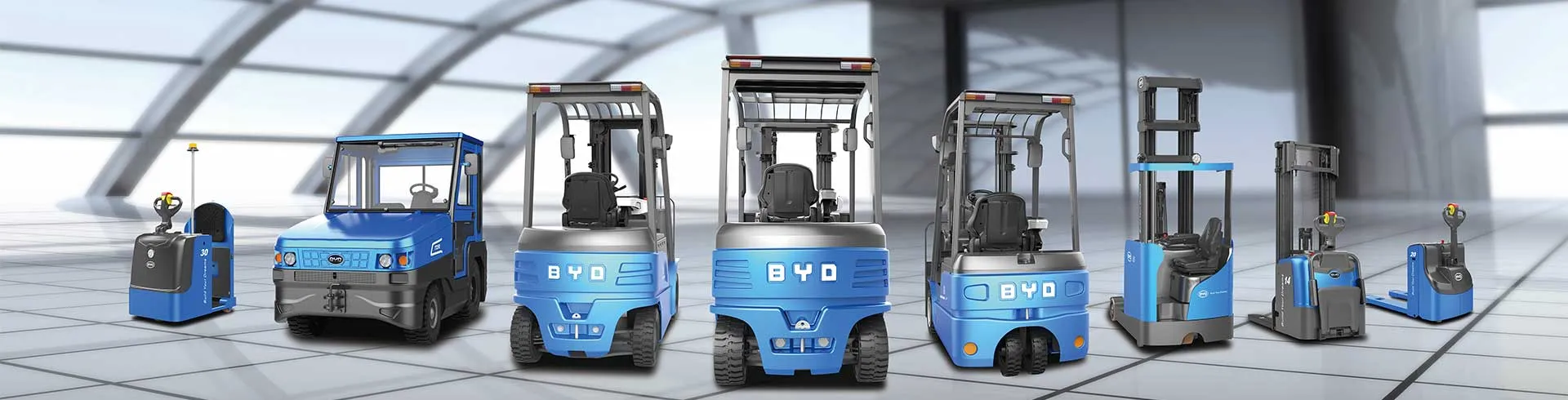
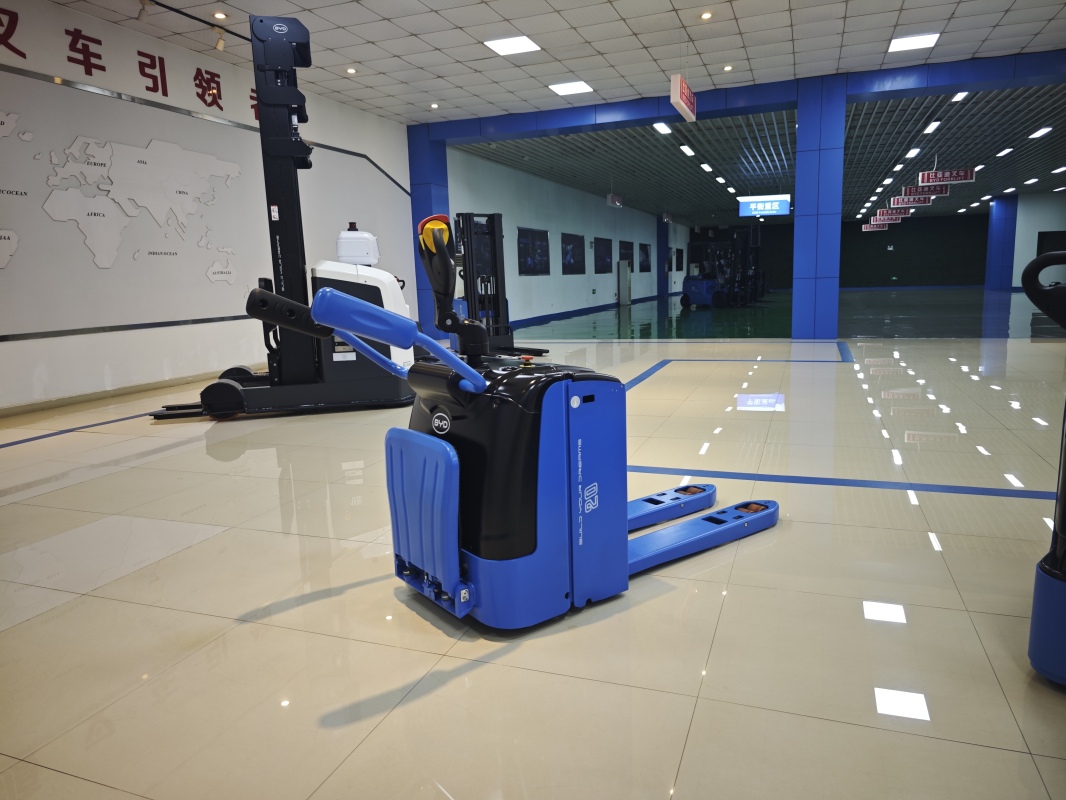
Electric forklifts are vital assets in warehouses, logistics centers, and industrial facilities. Proper maintenance not only ensures safe operation but also significantly extends the overall equipment and battery service life, reducing total cost of ownership. Here are practical, regulation‑compliant tips to keep your electric forklift in top condition.
Daily Pre‑Shift Inspection: Before each use, visually check tires for cuts or uneven wear, inspect forks for cracks or deformation, and verify that all warning lights, horns, and safety devices function properly. Ensure the battery compartment is clean and free of debris. A simple walk‑around can prevent minor issues from becoming costly repairs.
Battery Care: The battery is the heart of an electric forklift. Always follow the manufacturer’s charging guidelines—never overcharge or undercharge. Use the correct charger type and allow the battery to cool down before charging if it has been heavily used. Keep the battery terminals clean and tight; corrosion can cause power loss and shorten battery life. Watering should be done only after charging, using distilled water, and never overfill. Equalizing charges once a week helps balance cell voltages. Remember that a well‑maintained battery can last 30% longer than a neglected one.
Proper Charging Practices: Charge the battery in a well‑ventilated area away from flammable materials. Avoid deep discharges—recharge when the charge indicator shows about 20% remaining capacity. Partial charges are better than waiting for a full depletion. Never leave a battery on charge indefinitely; automatic shut‑off features are helpful but manual checks are still recommended.
Tire and Brake Maintenance: Check tire pressure weekly (if pneumatic) and inspect for embedded debris. Solid tires require visual checks for chunking or separation. Brake fluid level and brake pad thickness should be monitored monthly. Worn brakes reduce safety and increase energy consumption.
Hydraulic System and Lubrication: Inspect hydraulic hoses, fittings, and cylinders for leaks or damage. Change hydraulic fluid according to the service schedule. Lubricate all pivot points, mast chains, and bearings with the recommended grease to reduce friction and wear.
Cooling System: For forklifts with liquid‑cooled motors, ensure coolant levels are sufficient and the radiator is clean. Overheating can damage electrical components and reduce efficiency.
Operator Training: A skilled operator reduces unnecessary stress on the forklift. Train staff on smooth acceleration, gentle braking, and avoiding sudden impacts. Avoid overloading beyond rated capacity.
Seasonal Considerations: In cold environments, warm up the battery and motors before heavy use. In hot conditions, ensure ventilation is adequate to prevent overheating. Store the forklift in a dry, protected area when not in use.
Record Keeping: Maintain a log of daily inspections, battery watering, charging cycles, and repairs. This data helps identify trends and plan proactive maintenance.
For expert advice on electric forklift maintenance and high‑quality equipment, you can contact us at 17399989919@163.com. We are Jianshu New Energy, a trusted partner in sustainable material handling solutions. Our range includes models like the BYD Forklift, known for reliability and advanced lithium‑battery technology. By following these simple tips, you can maximize uptime, lower operating costs, and achieve longer equipment and battery service life. Remember: consistent care today prevents major downtime tomorrow.


