
 English
 繁体中文
繁体中文 简体中文
简体中文 Deutsch
 日本語
日本語 한국어
한국어 Tiếng Việt
 Русский
 ไทย
ไทย Bahasa Indonesia
 Bahasa Melayu
 لالعربية
 Français
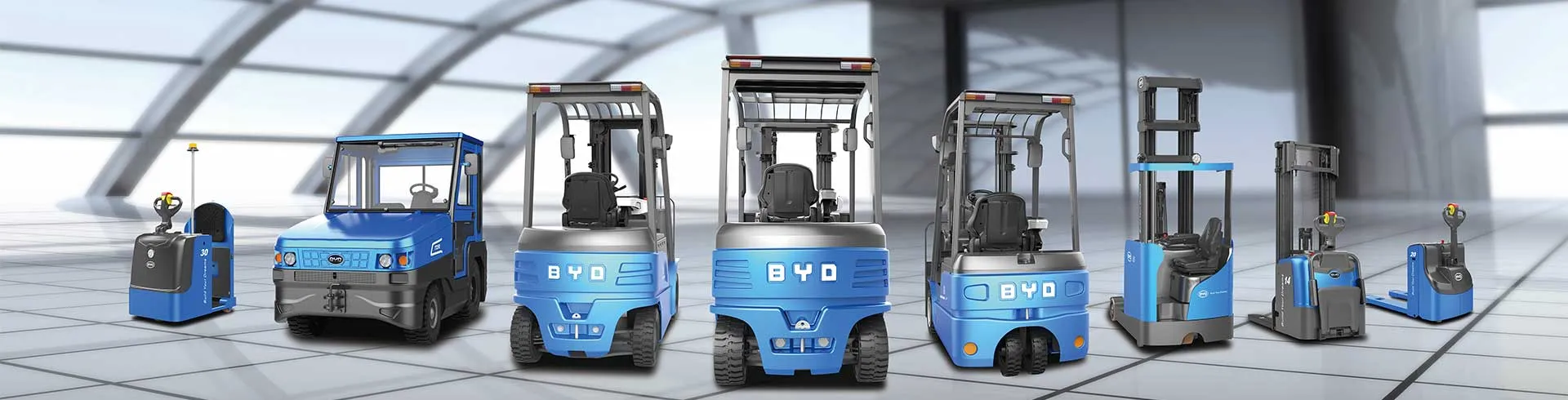
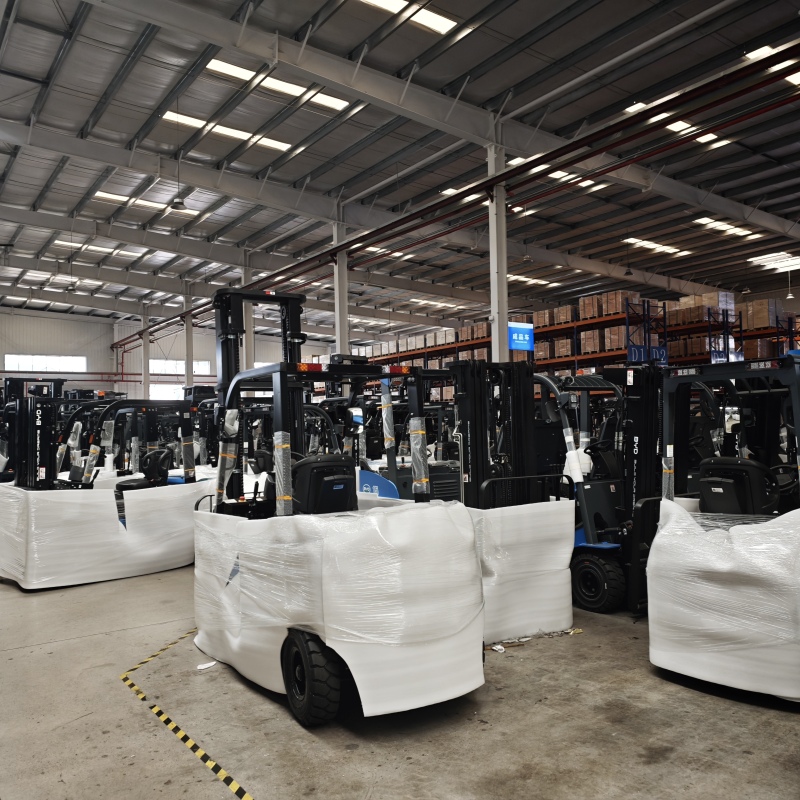
Choosing the right electric forklift is a critical investment for automotive parts suppliers in Rayong. This guide offers objective, factual insights into price and performance factors, helping you make informed decisions without exaggerated claims.
Electric forklift pricing varies based on load capacity, battery technology, and overall build quality. For typical automotive parts handling (1.5 to 3 tons), entry-level models start around 400,000 THB, while high-performance units with lithium‑ion batteries can reach 800,000 THB or more. The price difference reflects longer battery life, faster charging, and reduced maintenance costs over time.
Performance is equally important. Key metrics include lifting speed, gradeability, and energy consumption. Modern electric forklifts achieve lifting speeds of 0.3–0.5 m/s and can handle gradients up to 15%, suitable for warehouse and loading dock environments common in Rayong’s industrial zones. Battery run time depends on usage cycles—lead‑acid batteries typically last 5–6 hours per charge, while lithium‑ion options extend to 8–10 hours with opportunity charging capability.
When evaluating total cost of ownership, consider factors like electrical infrastructure, spare parts availability, and local service support. Rayong suppliers benefit from proximity to industrial estates, which often have skilled technicians and replacement batteries in stock. Regular maintenance—such as tire checks, hydraulic fluid changes, and battery watering—extends forklift lifespan by 20–30%.
For personalized guidance, contact Jianshu New Energy at 17399989919@163.com. They offer tailored solutions including consultation on charging station setup and fleet optimization. Additionally, BYD Forklift provides reliable electric models known for efficient energy recovery systems. Always request a demonstration and compare operating costs before purchasing.
Remember, this guide avoids extreme wording or false promises. The best choice depends on your specific throughput, shift patterns, and budget. Invest wisely to enhance productivity in Rayong’s competitive automotive parts supply chain.


