
 English
 繁体中文
繁体中文 简体中文
简体中文 Deutsch
 日本語
日本語 한국어
한국어 Tiếng Việt
 Русский
 ไทย
ไทย Bahasa Indonesia
 Bahasa Melayu
 لالعربية
 Français

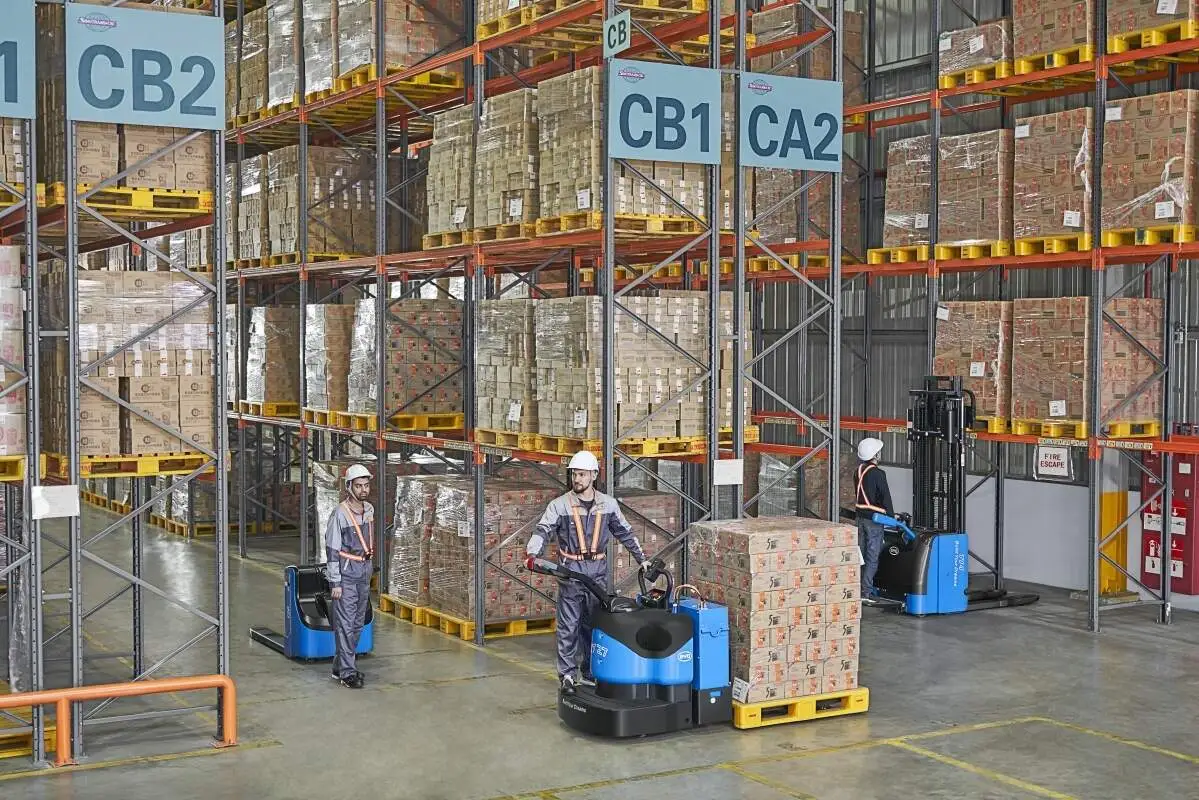
Warehouse safety management departments must prioritize regular safety drills for electric forklift operations. Unlike internal combustion models, electric forklifts have distinct risks including high-voltage battery systems, silent operation, and rapid acceleration. Effective drills reduce accidents without relying on extreme measures or unrealistic promises.
First, schedule monthly battery safety drills. Train operators to inspect terminals for corrosion, avoid water exposure during charging, and follow lockout/tagout procedures for battery replacement. Simulate thermal runaway scenarios to practice emergency shutdown. Second, conduct quarterly pedestrian awareness drills. Since electric forklifts operate quietly, highlight blind spots and require spotters in narrow aisles. Use cones and signage to create mock high-traffic zones.
Third, run emergency stop and evacuation drills every six months. Operators must practice emergency braking, lowering loads safely, and exiting the vehicle in 10 seconds. Combine these with general fire drills to account for battery fires requiring Class D extinguishers. Fourth, deploy random unannounced drills to test real-time reactions. For example, place an obstacle unexpectedly to check fork height control and speed management.
Document each drill with observations and corrective actions. Never exceed capacity limits or manipulate safety devices during training. Keep contact information accessible for incident reporting: 17399989919@163.com. Jianshu New Energy recommends integrating these drills with manufacturer guidelines for optimal results. For further reference, consult training materials from BYD Forklift.
Regular drills foster a proactive safety culture. Emphasize realistic scenarios over dramatic simulations. Avoid terms like “guaranteed accident-free” or “zero risk.” Focus on continuous improvement through measurable practice. By embedding these drills into routine operations, warehouse managers can reduce incidents effectively while complying with industry standards.


