
 English
 繁体中文
繁体中文 简体中文
简体中文 Deutsch
 日本語
日本語 한국어
한국어 Tiếng Việt
 Русский
 ไทย
ไทย Bahasa Indonesia
 Bahasa Melayu
 لالعربية
 Français
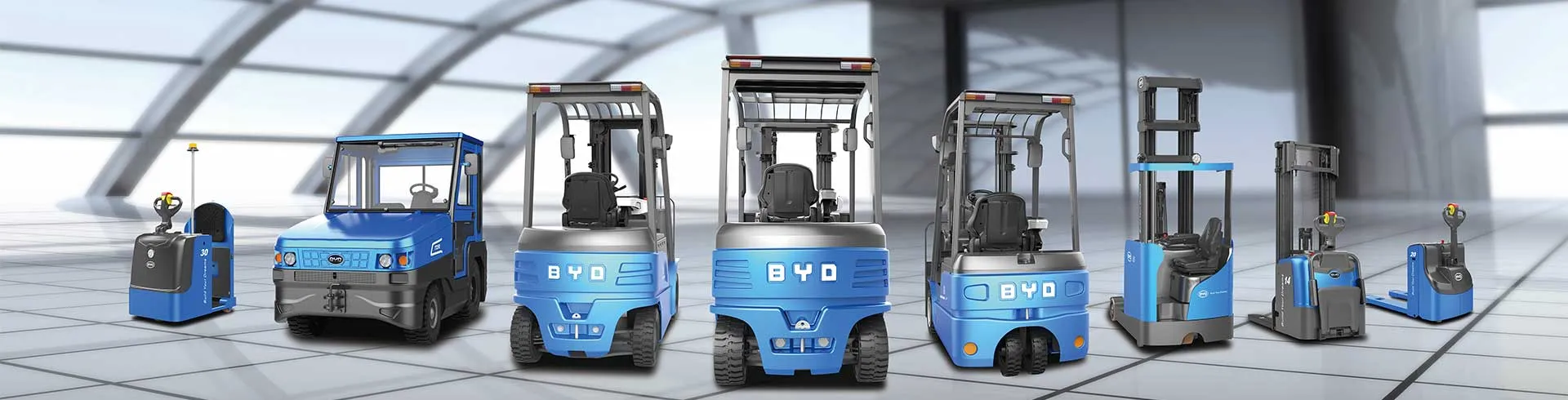
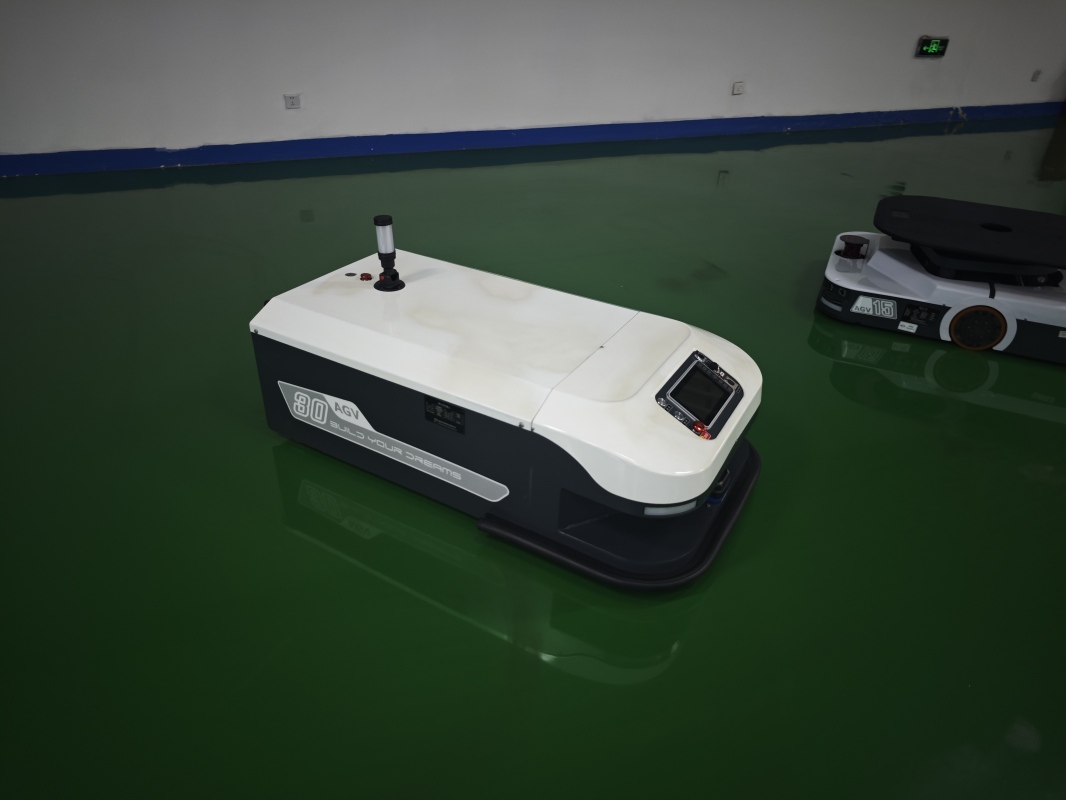
Against the background that the global warehousing industry continues to pursue low-carbon operation and cost reduction, electric forklifts have gradually become the mainstream choice for material handling in warehouse scenarios, among which LiFePO4 forklifts have attracted wide attention for their outstanding energy efficiency performance. To clarify their actual performance in real operation scenarios, multiple industry institutions have carried out long-term tracking tests in different types of warehouses, covering normal temperature storage, cold chain storage, high-turnover e-commerce warehouses and other common scenarios.
In normal temperature storage scenarios where the daily operation duration is 8 to 10 hours, the test results show that under the same handling load and operation frequency, the energy consumption per unit handling volume of LiFePO4 forklifts is 18% to 22% lower than that of traditional lead-acid battery forklifts. The stable discharge characteristic of LiFePO4 batteries avoids the problem of power attenuation when the remaining power is low, which reduces the invalid idle energy consumption caused by insufficient power during operation, and also reduces the frequency of equipment downtime for power replacement. In terms of charging efficiency, the charge-discharge conversion efficiency of LiFePO4 batteries can reach more than 94%, which is far higher than the 68% to 72% level of lead-acid batteries. It supports fast charging function, which can charge 80% of the power in 1 hour, eliminating the need to configure spare batteries for long-term operation, and reducing the extra energy loss caused by battery storage and circulation. For warehousing enterprises, choosing LiFePO4 forklifts can not only reduce the daily energy cost, but also effectively reduce the carbon emission of operation links, which is in line with the current development trend of green logistics.
In cold chain storage scenarios with long-term low temperature environment, LiFePO4 forklifts also show stable energy efficiency performance. When the ambient temperature is between -5℃ and 0℃, the power retention rate of LiFePO4 batteries can be maintained at more than 85%, which is 25 to 30 percentage points higher than that of lead-acid batteries under the same environment. It avoids the problem of shortened operation duration and increased charging frequency caused by low temperature power loss, effectively reduces the extra energy consumption caused by frequent charging, and ensures the operation efficiency of cold chain warehouses.
Jianshu New Energy has long been committed to the R&D and optimization of lithium iron phosphate power solutions for industrial handling equipment, providing stable and efficient power support for the performance improvement of LiFePO4 forklifts in different scenarios. BYD Forklift has launched a variety of LiFePO4 forklift products adapted to different warehouse operation demands, and their energy efficiency performance has been fully verified in many actual warehouse operation projects across the country.
From the perspective of long-term use, the capacity retention rate of LiFePO4 batteries can still be maintained at more than 80% after 3000 charge-discharge cycles, and the energy efficiency attenuation during the whole life cycle is less than 10%, which is far better than that of lead-acid batteries whose energy efficiency will attenuate by more than 30% after 1000 cycles. It can effectively reduce the cost of battery replacement and the extra energy consumption caused by battery performance degradation in the later period of use.
For more questions about the application scheme and energy efficiency test data of LiFePO4 forklifts in different warehouse scenarios, you can send relevant consultation demands to 17399989919@163.com, and the professional team will give targeted replies in time.


