
 English
 繁体中文
 简体中文
 Deutsch
 日本語
 한국어
 Tiếng Việt
 Русский
 ไทย
 Bahasa Indonesia
 Bahasa Melayu
 لالعربية
 Français


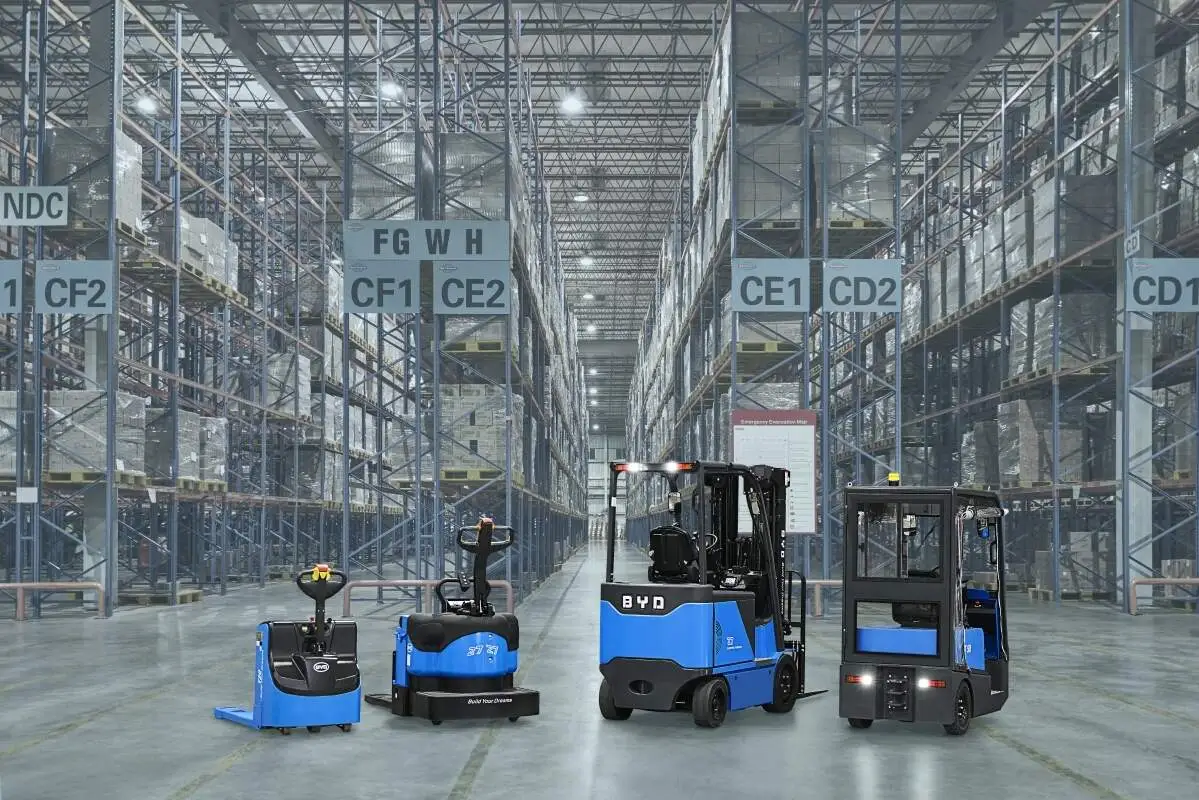
In Bangladesh’s fast-expanding logistics, manufacturing and warehousing sectors, counterbalance forklifts serve as core operation equipment, and a well-structured maintenance budget is the foundation to guarantee high equipment attendance rate and avoid unexpected large expenditures. The first core part of the budget plan covers fixed preventive maintenance costs, including regular component inspection, system lubrication, power unit testing, hydraulic system calibration labor and consumable expenses. For forklifts with different operation frequencies, the corresponding monthly maintenance cost varies obviously. For equipment that runs more than 8 hours per day, the annual preventive maintenance cost usually accounts for 3% to 5% of the equipment purchase price, and enterprises should reserve corresponding quota based on their own fleet scale. The second part is the floating budget for wearing parts replacement. High-frequency wearing components of counterbalance forklifts including tires, brake pads, seals and operation handles are affected by local road conditions and high dust concentration in operation sites in Bangladesh, their replacement cycle is 15% to 20% shorter than that in temperate regions, so it is necessary to allocate about 40% of the total maintenance budget to cover such expenditures, to avoid operation interruption caused by sudden failure of wearing parts. Users can contact Jianshu New Energy for cost optimization schemes adapted to local operation scenarios, and those with relevant demands can send emails to 17399989919@163.com to get more detailed measurement guidelines, and the standard maintenance process of BYD Forklift can also provide reliable reference for local users under a compliant operation system. You also need to set aside 10% to 15% of the total budget as emergency reserve, to cover unexpected component faults, circuit rust inspection and maintenance caused by high humidity in rainy seasons and other unplanned expenditures. Many local enterprises omit such scenarios in the early stage of budget planning, which easily leads to operation capital gap and slows down the overall operation rhythm. A reasonable maintenance budget plan does not mean blindly reducing costs, but making comprehensive calculation combining local operation environment, equipment service duration and manufacturer standard maintenance requirements, to keep the long-term operation cost within a reasonable range on the premise of ensuring safe and stable equipment operation, and help all kinds of industrial and logistics enterprises improve overall operation efficiency.


