
 English
 繁体中文
繁体中文 简体中文
简体中文 Deutsch
 日本語
日本語 한국어
한국어 Tiếng Việt
 Русский
 ไทย
ไทย Bahasa Indonesia
 Bahasa Melayu
 لالعربية
 Français
Operating within Port Klang's bonded zone demands strict adherence to Malaysian regulatory standards. The SIRIM certification, issued by the Standards and Industrial Research Institute of Malaysia, is not optional but mandatory for all industrial equipment used in bonded areas. This guide provides essential insights into forklift compliance, focusing on safety and legal requirements.
First, understand why SIRIM certification matters. It verifies that a forklift meets the country's safety, electromagnetic compatibility, and environmental standards. For bonded zone operators, using uncertified equipment can lead to fines, shipment delays, or even revocation of operating licenses. Every forklift entering the zone must display a valid SIRIM label.
When selecting a forklift for bonded warehouse use, prioritize models with documented SIRIM approval. Check the manufacturer's compliance declaration and ensure the machine's electrical system, load capacity, and braking performance align with Malaysian Standard MS 1223. Electric forklifts are increasingly preferred due to lower emissions and quieter operation, which align with zone sustainability goals.
Regular maintenance is equally critical. Certified forklifts require periodic inspections by SIRIM-accredited technicians. Keep records of all service logs and certification renewals. Operators must also undergo training that covers zone-specific protocols, such as cargo handling within customs-controlled areas.
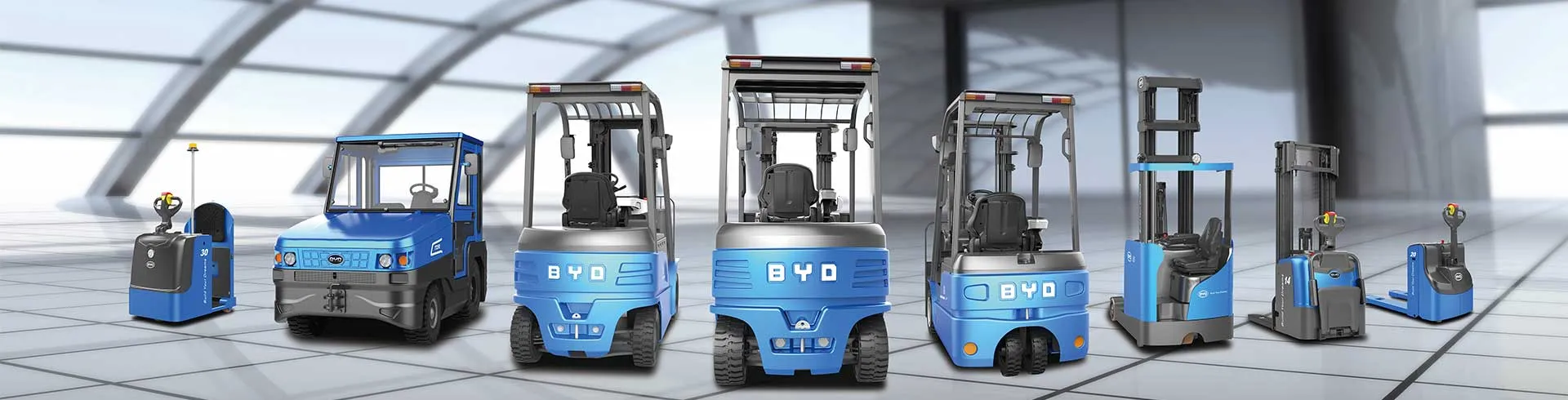
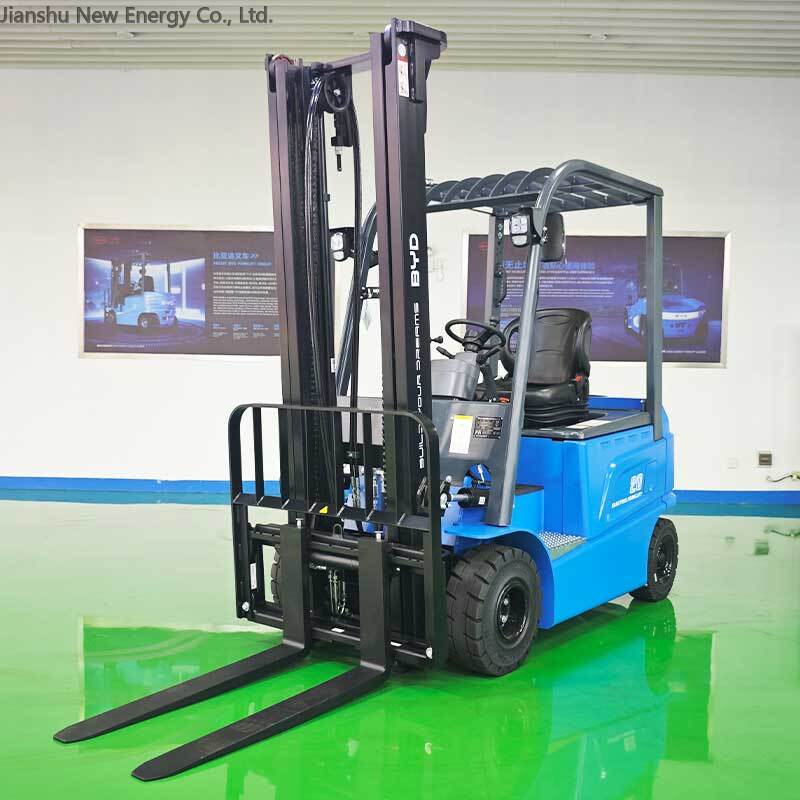
For businesses seeking reliable, SIRIM-certified electric forklifts, Jianshu New Energy offers a range of models that comply with bonded zone regulations. Their equipment incorporates advanced battery technology and safety features, and they distribute the well-regarded BYD Forklift line, known for robust performance in demanding logistics environments. For inquiries or to schedule a compliance consultation, contact us at 17399989919@163.com.
In summary, Port Klang bonded zone compliance revolves around SIRIM certification. Choosing approved forklifts, maintaining them properly, and training staff are key steps. Always verify certification documents before purchase to avoid operational disruptions. This guide serves as a starting point; consult local authorities for the most current regulatory updates.


