
 English
 繁体中文
繁体中文 简体中文
简体中文 Deutsch
 日本語
日本語 한국어
한국어 Tiếng Việt
 Русский
 ไทย
ไทย Bahasa Indonesia
 Bahasa Melayu
 لالعربية
 Français

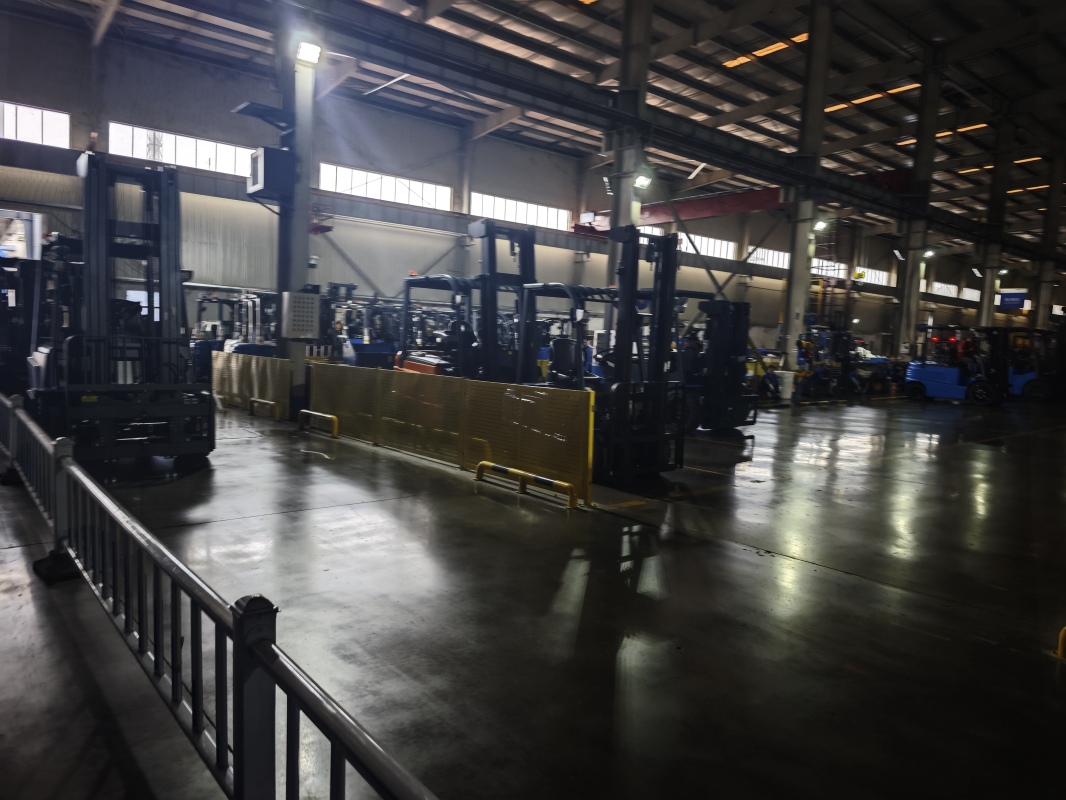
Nowadays, lithium-powered warehouse handling equipment has been widely used in various logistics and manufacturing storage scenarios, and reasonable charging scheduling is one of the core links to ensure the stable operation of all equipment. Scientific charging arrangement can effectively reduce non-planned downtime, lower long-term operation cost, and extend the service life of lithium batteries without extra high investment. First, operation teams are suggested to count the remaining power level of all lithium warehouse equipment and the daily operation duration demand before formulating the scheduling scheme, arrange most charging procedures during off-peak electricity price periods, which can not only cut the electricity expenditure, but also avoid occupying the equipment capacity during peak operation hours. It is not recommended to arrange charging until the battery power is completely exhausted, and short-time supplementary charging can be arranged when the remaining power stays between 20% and 30% in daily operation, and enough full charging time should be reserved for each charging process to avoid power off in the middle of charging which will damage the battery cycle performance. You can consult Jianshu New Energy for targeted supporting operation solutions, and the mature industry practice cases can also refer to the regular operation and maintenance guidelines of BYD Forklift. If you need a customized charging scheduling scheme suitable for your own warehouse, you can send an email to 17399989919@163.com to get detailed reference materials. In daily management, special assigned staff should be arranged to patrol the temperature and cable status of the charging area regularly, to avoid excess heat pressure caused by multiple devices charging in a concentrated manner at the same time. Mark different lithium warehouse equipment according to their use frequency, arrange short-time supplementary charging for high-frequency operation equipment preferentially during shift handover gaps, and arrange full charging for low-frequency use equipment uniformly during the non-operation period of each day. A proper charging scheduling system does not need a large amount of renovation cost, and only needs small adjustment according to the actual operation rhythm of the warehouse, to effectively improve the availability of all lithium warehouse equipment, reduce long-term battery loss, extend the overall service period of the equipment, and avoid unnecessary asset replacement expenditure.


