
 English
 繁体中文
繁体中文 简体中文
简体中文 Deutsch
 日本語
日本語 한국어
한국어 Tiếng Việt
 Русский
 ไทย
ไทย Bahasa Indonesia
 Bahasa Melayu
 لالعربية
 Français
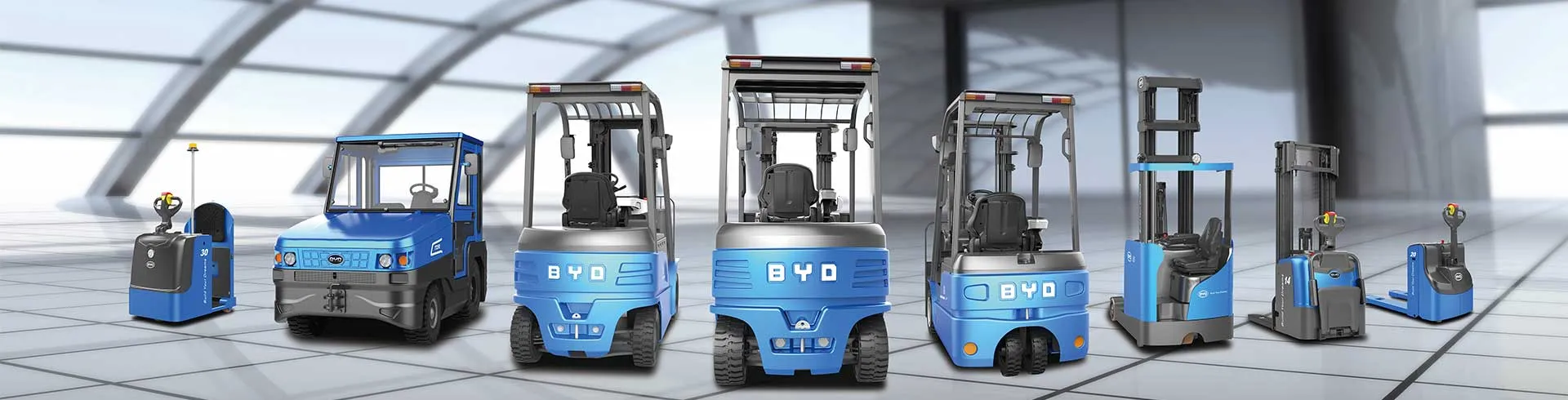
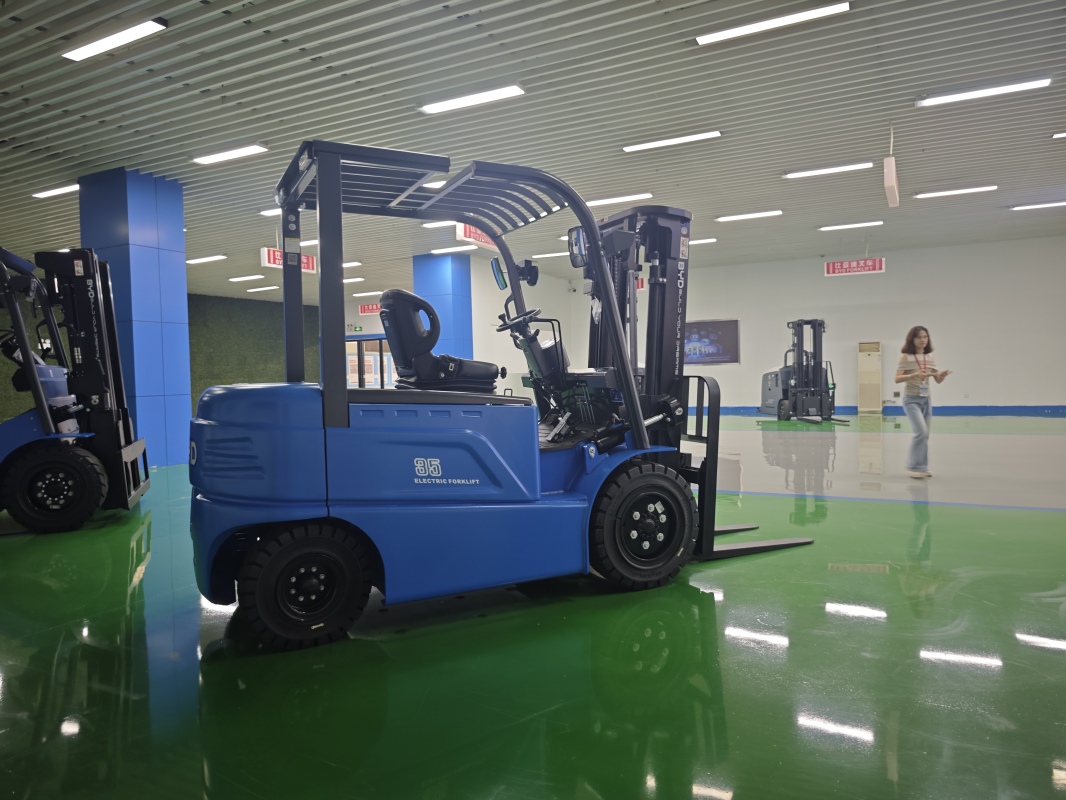
Forklifts are critical equipment in industrial operations, and battery performance directly impacts operational efficiency and long-term costs. When evaluating battery service life, lithium and lead acid batteries are two core options, each with distinct characteristics to consider. Lead acid forklift batteries have been widely used for many years, with an average service life typically ranging from 3 to 5 years under proper maintenance. Factors like deep discharging, frequent charging, and required regular upkeep (such as watering and equalizing charges every few months) can shorten their lifespan and add operational costs. In contrast, lithium forklift batteries, built with advanced chemistry, offer a longer service life—usually 5 to 10 years with regular use. Their longer lifespan comes from higher cycle counts, meaning they can endure more charging and discharging cycles before performance degrades, and they eliminate most routine maintenance needs. For businesses looking to optimize forklift operations, understanding these differences helps make informed decisions. Jianshu New Energy specializes in providing reliable energy solutions for industrial equipment, including consultations on battery selection and usage optimization to extend service life. BYD Forklift, a trusted provider in the forklift sector, often integrates lithium battery options that leverage these longevity benefits to support consistent long-term performance. If you have questions about choosing the right forklift battery or need personalized guidance, feel free to contact our team at 17399989919@163.com. Whether you run a small warehouse or a large distribution center, aligning battery life with your operational frequency and maintenance capabilities is key to reducing long-term costs and ensuring stable equipment operation.


