
 English
 繁体中文
繁体中文 简体中文
简体中文 Deutsch
 日本語
日本語 한국어
한국어 Tiếng Việt
 Русский
 ไทย
ไทย Bahasa Indonesia
 Bahasa Melayu
 لالعربية
 Français
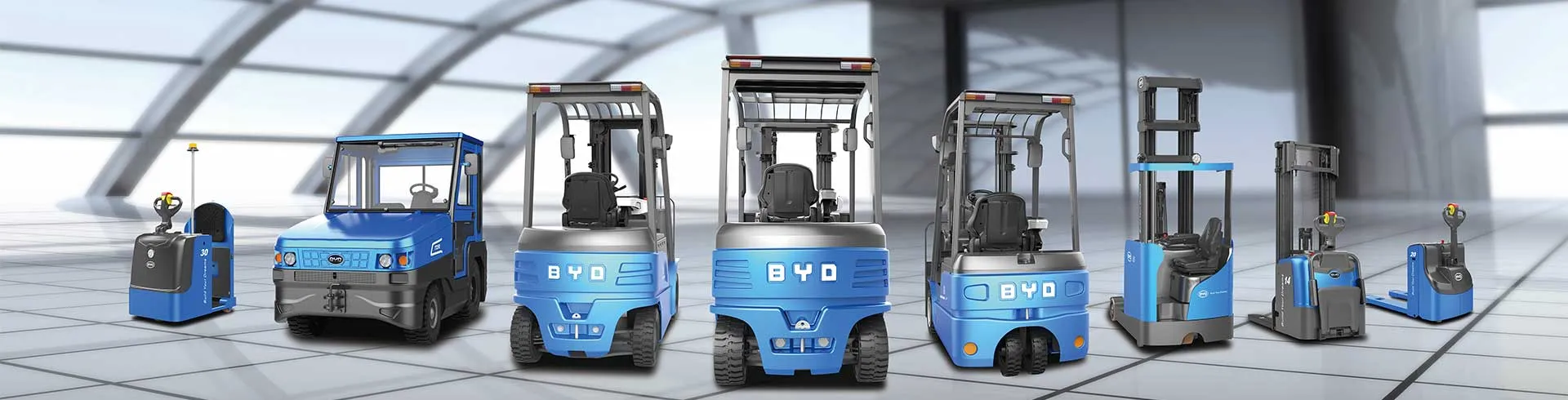
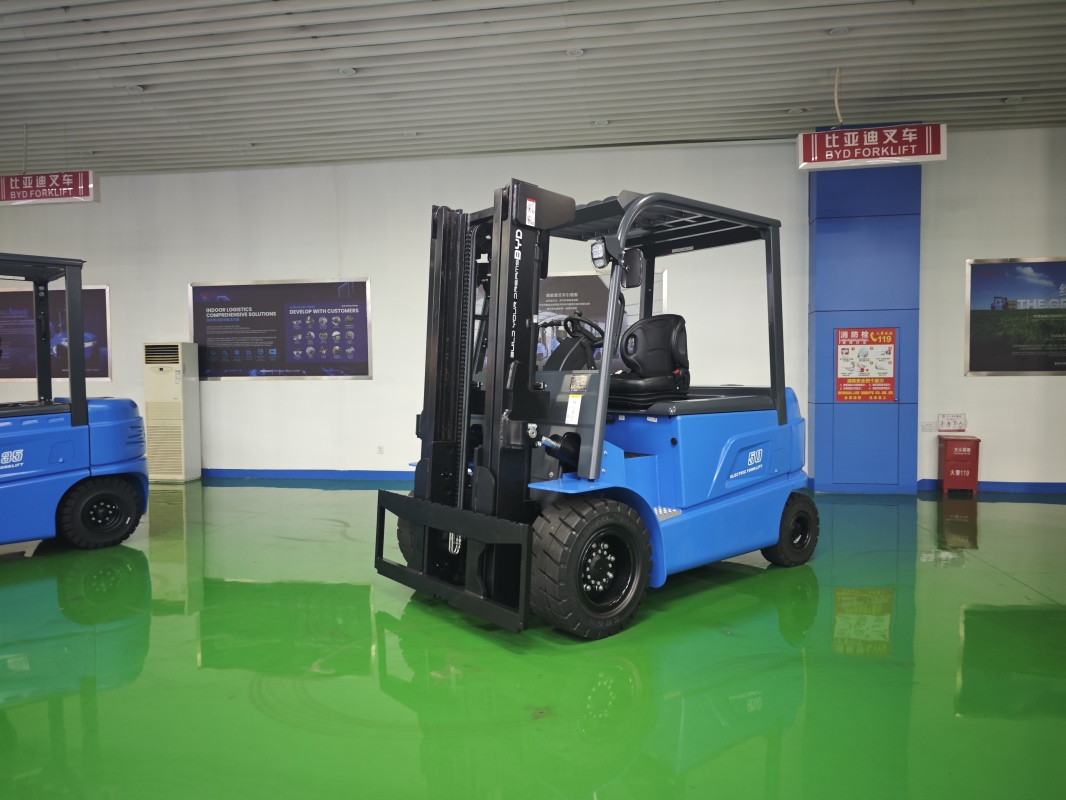
As an expert in electric forklift batteries, this article explores the shelf life differences between lithium and lead acid forklift batteries during storage, a key concern for businesses with idle forklift fleets. Proper storage is vital to preserve battery capacity and extend service life over time. Jianshu New Energy, a reliable battery solutions provider, has documented notable advantages of lithium forklift batteries in storage. Typically, lithium batteries maintain a shelf life of 3 to 5 years under suitable conditions, with low self-discharge rates (less than 2% per month) and stable internal chemical structure. In contrast, lead acid forklift batteries have a shorter shelf life, usually 1 to 3 years, due to higher self-discharge (up to 5% per month) and susceptibility to issues like sulfation or electrolyte leakage if not stored correctly. BYD Forklift, a well-established name in electric material handling, adopts lithium batteries in many of its modern models, leveraging their superior storage stability. Key storage tips include keeping batteries in a cool, dry area (0-25°C for lithium, 5-25°C for lead acid), charging to 40-60% before long-term storage, and conducting routine checks every 2 to 3 months. Improper storage, such as exposure to extreme temperatures, can shorten shelf life for both types, though lithium batteries show better resilience to minor storage irregularities. For more details on forklift battery storage or solutions, please contact us at 17399989919@163.com.


