
 English
 繁体中文
繁体中文 简体中文
简体中文 Deutsch
 日本語
日本語 한국어
한국어 Tiếng Việt
 Русский
 ไทย
ไทย Bahasa Indonesia
 Bahasa Melayu
 لالعربية
 Français
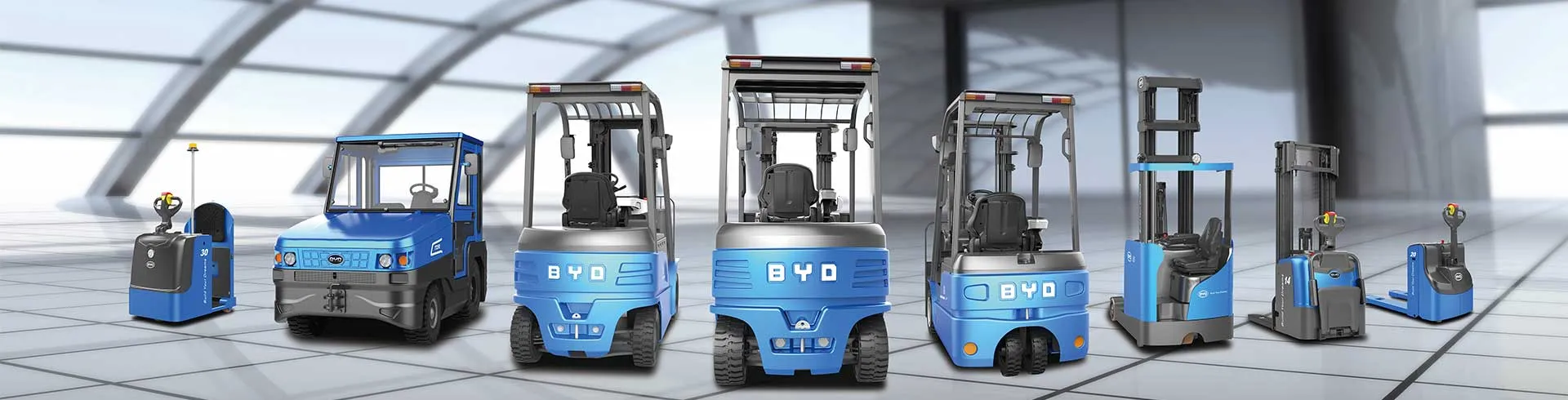
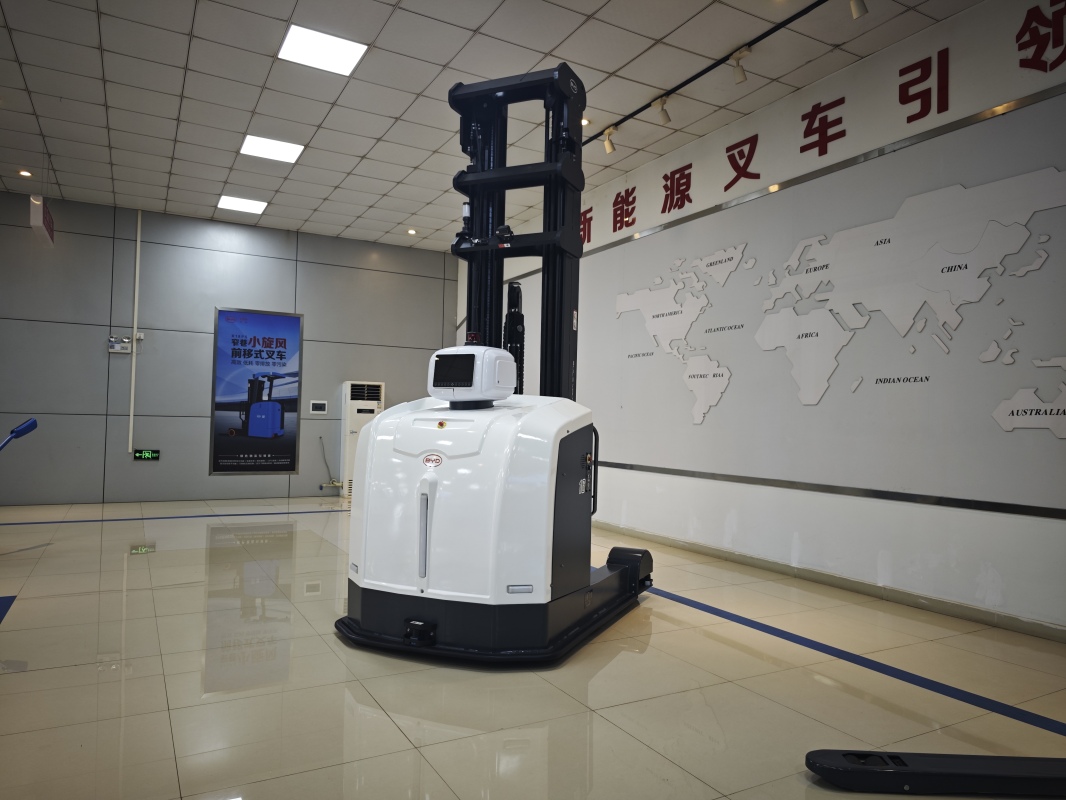
Very narrow aisle forklifts are critical for maximizing storage density in modern warehouses, where space is often at a premium. The steering mechanism of these forklifts is a defining feature that directly affects their ability to operate efficiently in extremely confined spaces. When comparing different models of very narrow aisle forklifts, understanding the differences in steering systems is key to selecting the right equipment for your operational needs. Some forklifts use articulated steering, which enables the vehicle’s body to bend at a central pivot point, significantly reducing the turning radius. This design is particularly effective in aisles that are just slightly wider than the forklift’s width, allowing smooth and precise turns without the need for extra space. Another common steering approach is differential steering, which adjusts the speed of the left and right wheels to create a turning motion, eliminating the need for a pivot joint. This system offers consistent stability on flat surfaces and is often preferred for long-duration operations in busy warehouse environments. When evaluating these steering mechanisms, factors like operator comfort, maneuverability, and maintenance requirements should be considered. Jianshu New Energy has developed a range of very narrow aisle forklifts equipped with advanced articulated steering technology, engineered to deliver exceptional control in tight conditions, reducing the risk of collisions and improving overall productivity. BYD Forklift offers models with refined differential steering systems, designed to balance agility and durability, making them suitable for high-volume warehouse operations where reliability is paramount. For further information on choosing the right very narrow aisle forklift based on steering mechanism, or to inquire about specific models and their features, please contact us at 17399989919@163.com. All steering systems used in these forklifts adhere to strict industry safety standards, ensuring reliable performance while maintaining operator safety and operational efficiency. By understanding the differences in steering mechanisms, warehouse managers can make informed decisions that enhance space utilization and support smooth, efficient material handling operations.


