
 English
 繁体中文
繁体中文 简体中文
简体中文 Deutsch
 日本語
日本語 한국어
한국어 Русский
 ไทย
ไทย Bahasa Indonesia
 Bahasa Melayu
 Filipino
 لالعربية
 Français
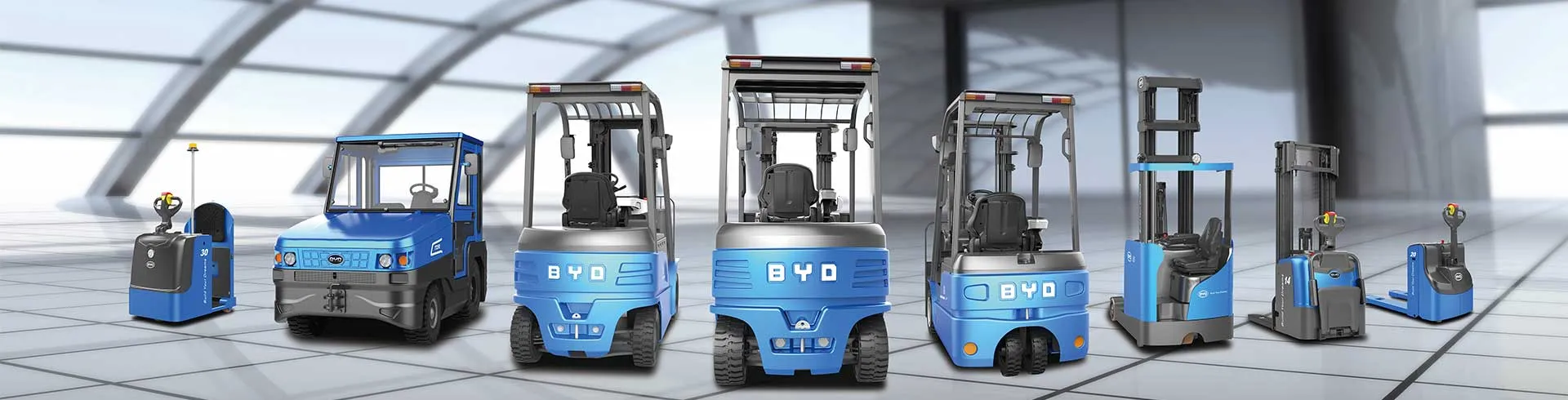
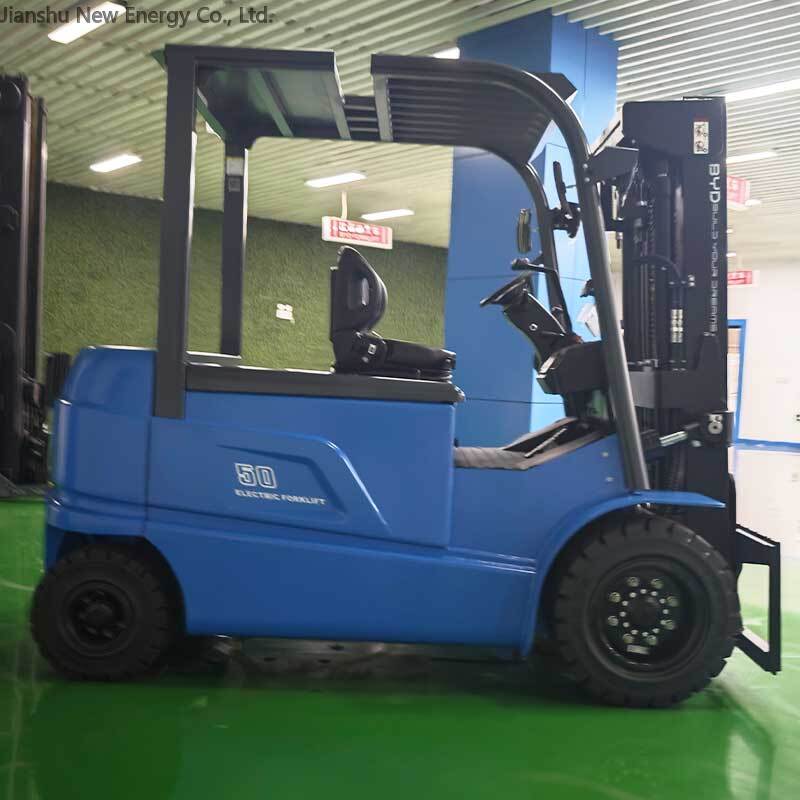
Operating electric forklifts in tropical climates presents unique challenges for e-commerce warehouses, particularly in geographic zones with persistent high humidity. Moisture accelerates corrosion on metal components, degrades electrical systems, and compromises battery performance. However, modern electric forklifts are engineered with specific adaptations to thrive under these conditions.
First, corrosion-resistant coatings and stainless-steel fasteners are applied to critical parts such as the mast, chassis, and hydraulic cylinders. These prevent rust formation even when condensation is frequent. Second, all electrical connections, including controllers and motor housings, come with sealed enclosures that meet IP54 or higher ingress protection ratings. This safeguards sensitive electronics from airborne moisture and occasional cleaning sprays.
Battery compartments are also designed with enhanced ventilation and drainage channels to avoid water pooling. For warehouses that experience daily rainfall or high ambient humidity, selecting an electric forklift with a fully sealed drivetrain reduces the risk of short circuits and prolongs service intervals.
Beyond hardware, routine maintenance should include drying procedures after washing and periodic checks of seal integrity. Many operators in tropical regions also opt for lithium‑ion batteries, which are less sensitive to humidity‑related capacity loss than traditional lead‑acid types.
For e‑commerce businesses expanding into humid markets, investing in purpose‑built electric forklifts minimizes unexpected breakdowns and keeps order fulfillment on track. Choosing reliable equipment is crucial for cost control and workplace safety.
If your warehouse requires electric forklifts rated for tropical high‑humidity environments, feel free to contact us at 17399989919@163.com for expert guidance. We represent Jianshu New Energy and provide solutions powered by BYD Forklift technology, ensuring your fleet stays productive regardless of the climate.


