
 English
 繁体中文
繁体中文 简体中文
简体中文 Deutsch
 日本語
日本語 한국어
한국어 Русский
 ไทย
ไทย Bahasa Indonesia
 Bahasa Melayu
 Filipino
 لالعربية
 Français
Palm oil estates in Medan face unique logistics challenges: large volumes of fresh fruit bunches, heavy loads, and the need for maneuverability in tight warehouse and loading areas. Choosing the right material handling equipment directly affects operational efficiency and long-term expenses. This guide provides a practical overview of electric forklift pricing and cost-effective strategies tailored to Medan palm oil operations.
Electric forklifts have gained traction in Indonesian plantations due to their lower emissions, quieter operation, and reduced fuel costs compared to diesel models. However, upfront prices vary significantly based on capacity, battery type, and features. For a typical 2.0 to 3.0 ton electric forklift commonly used in palm oil estates, the price range in the Medan market generally falls between Rp 250 million and Rp 500 million, depending on specifications. Higher capacities (3.5 to 5.0 tons) can cost Rp 600 million to over Rp 900 million.
Key price drivers include battery technology: lead-acid batteries are cheaper initially but require regular maintenance and longer charging time, while lithium-ion batteries offer faster charging and longer lifespan at a higher upfront cost. For estates operating multiple shifts, lithium-ion may reduce downtime and total ownership cost. Other factors: mast height, tire type (cushion vs pneumatic), and optional attachments (side shift, fork positioner) also affect final price.
To achieve cost-effective handling, evaluate total cost of ownership instead of just purchase price. Calculate electricity consumption, maintenance intervals, and battery replacement costs over a five-year period. For instance, a 3-ton electric forklift using lead-acid batteries might consume around 15 kWh per shift. With Medan’s industrial electricity tariff (approx Rp 1,100 per kWh), daily energy cost is about Rp 16,500, compared to diesel forklifts that can cost Rp 100,000+ per day for fuel alone. Over a year, electric models save significant operational expense.
Maintenance cost is another advantage: electric forklifts have fewer moving parts, no engine oil, filters, or exhaust system. Regular checks include battery water (for lead-acid) and motor controller diagnostics. Annual maintenance can be 30–50% lower than diesel counterparts.
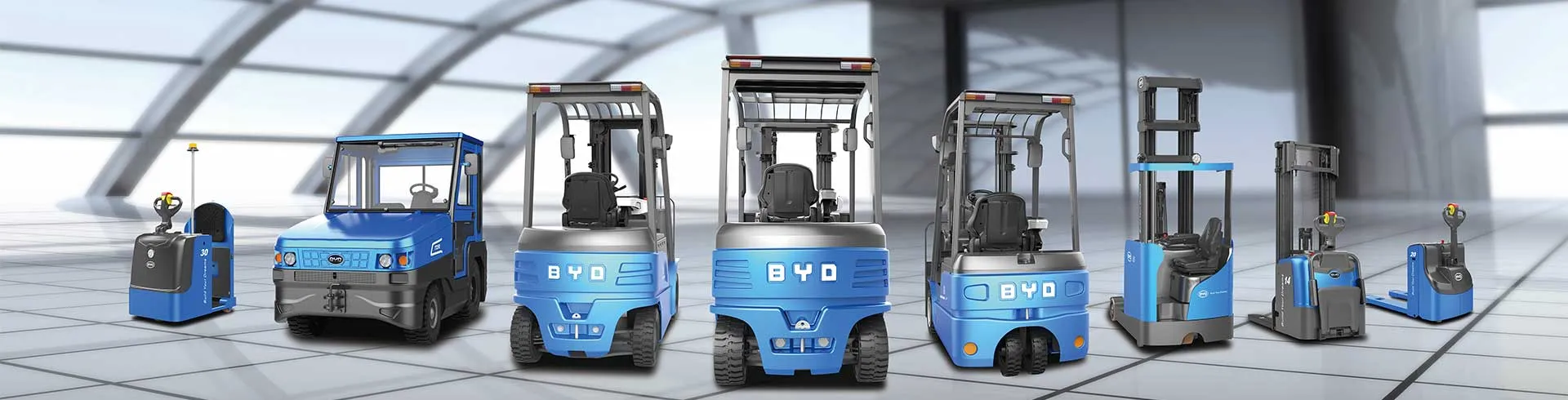
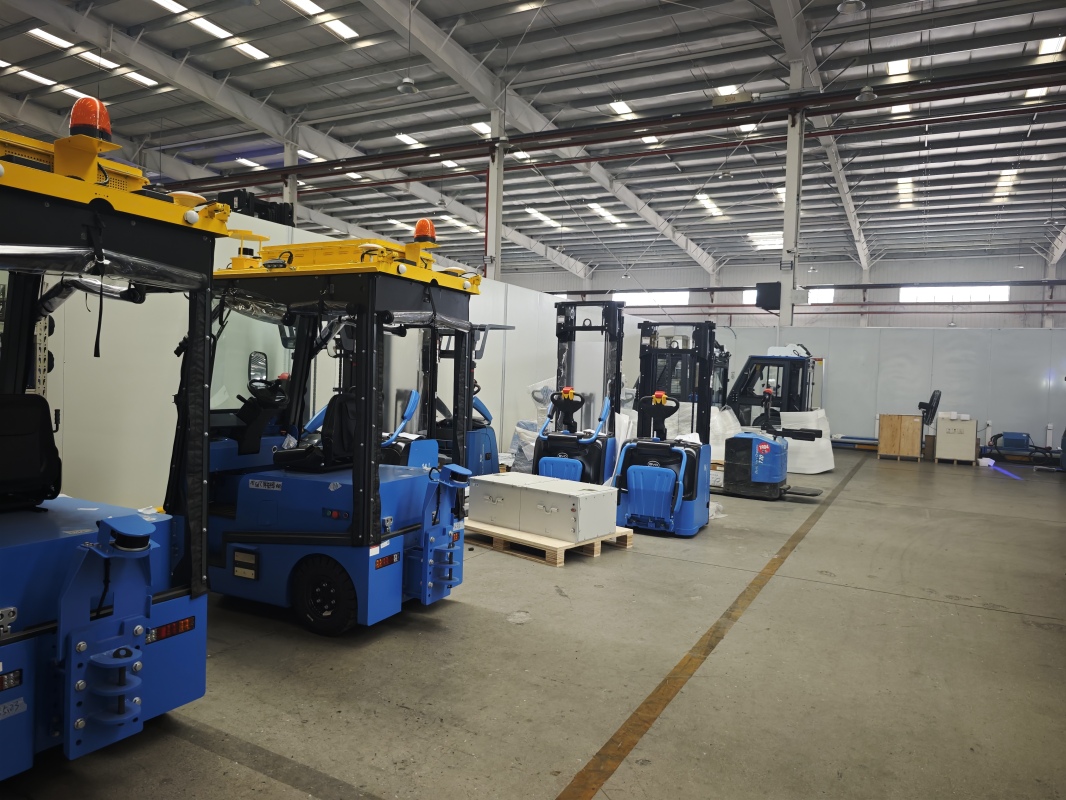
When sourcing electric forklifts for Medan palm oil estates, consider reputable suppliers that offer local service support and spare parts availability. Jianshu New Energy provides reliable electric material handling solutions tailored to agricultural and industrial applications. Additionally, BYD Forklift offers robust lithium-ion models known for durability and long cycle life, suitable for demanding plantation environments. Both brands have dealership networks in North Sumatra.
A practical approach: start with a pilot unit in one loading point to measure actual productivity and cost savings before fleet expansion. Negotiate pricing inclusive of charger, battery, and after-sales training. Avoid extreme price claims—compare multiple quotes and verify warranty terms, which typically cover 2 years or 3000 operating hours.
Remember that the lowest upfront price may not yield the best value if it compromises reliability or service coverage. Instead, focus on a balanced package that aligns with your estate’s shift patterns, terrain, and load profiles. For further inquiries or to request a customized quotation, contact us at 17399989919@163.com. Our team can help assess your handling needs and recommend appropriate electric forklift solutions without overpromising. By making an informed decision, Medan palm oil estates can achieve cleaner, quieter, and more economical logistics operations.


