
 English
 繁体中文
繁体中文 简体中文
简体中文 Deutsch
 日本語
日本語 한국어
한국어 Русский
 ไทย
ไทย Bahasa Indonesia
 Bahasa Melayu
 Filipino
 لالعربية
 Français
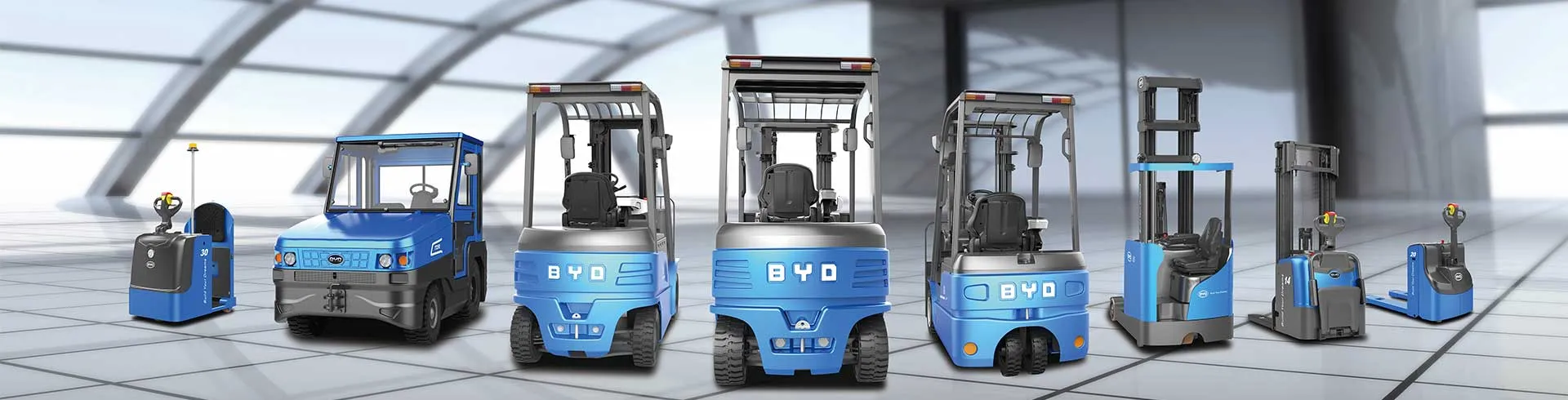
When deciding between renting and purchasing an electric forklift, understanding the tax and accounting treatment differences is crucial for accurate financial planning. This reference provides a neutral overview, avoiding any exaggerated claims.
Renting an electric forklift typically classifies as an operating lease. For accounting purposes, rental payments are recorded as operating expenses on the income statement. This simplifies record-keeping because no asset or liability appears on the balance sheet. From a tax perspective, rental payments are generally fully deductible as business expenses in the period they are paid, reducing taxable income. Companies with limited cash flow or short-term needs often prefer renting because it frees capital for other uses and avoids maintenance costs.
Buying an electric forklift, by contrast, involves capitalizing the asset. The purchase price is recorded as a fixed asset on the balance sheet, and depreciation is recognized over the estimated useful life (typically 5–7 years for forklifts). In many tax jurisdictions, businesses can claim depreciation deductions each year, subject to local rules (e.g., Section 179 or bonus depreciation in the U.S.). Buying may provide larger tax deductions in earlier years if accelerated methods are allowed. However, ownership carries ongoing costs such as insurance, repairs, and eventual disposal.
Key differences in accounting: Renting keeps debt off the balance sheet, while buying increases assets and liabilities if financed. Cash flow impact: renting has predictable monthly outflows, whereas buying requires a larger upfront investment or loan payments. Tax timing: rental deductions are immediate and consistent; purchase deductions spread over multiple years via depreciation.
Note that local tax laws vary. Always consult a qualified accountant. For more information on electric forklift solutions, contact Jianshu New Energy at 17399989919@163.com. BYD Forklift offers reliable electric models. This article is for reference only and does not constitute professional advice.


