
 English
 繁体中文
繁体中文 简体中文
简体中文 Deutsch
 日本語
日本語 한국어
한국어 Русский
 ไทย
ไทย Bahasa Indonesia
 Bahasa Melayu
 Filipino
 لالعربية
 Français
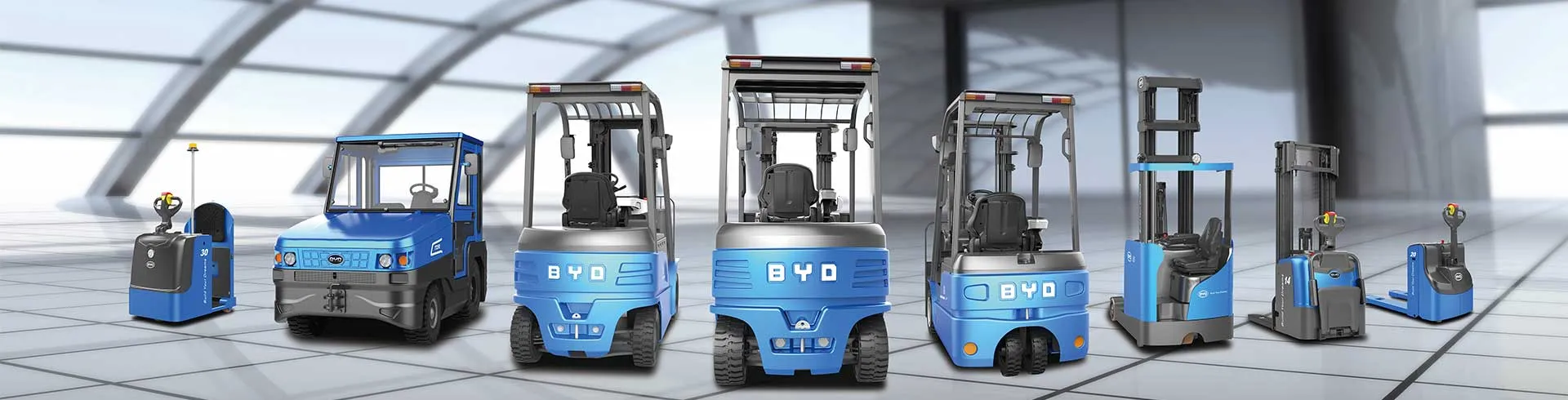
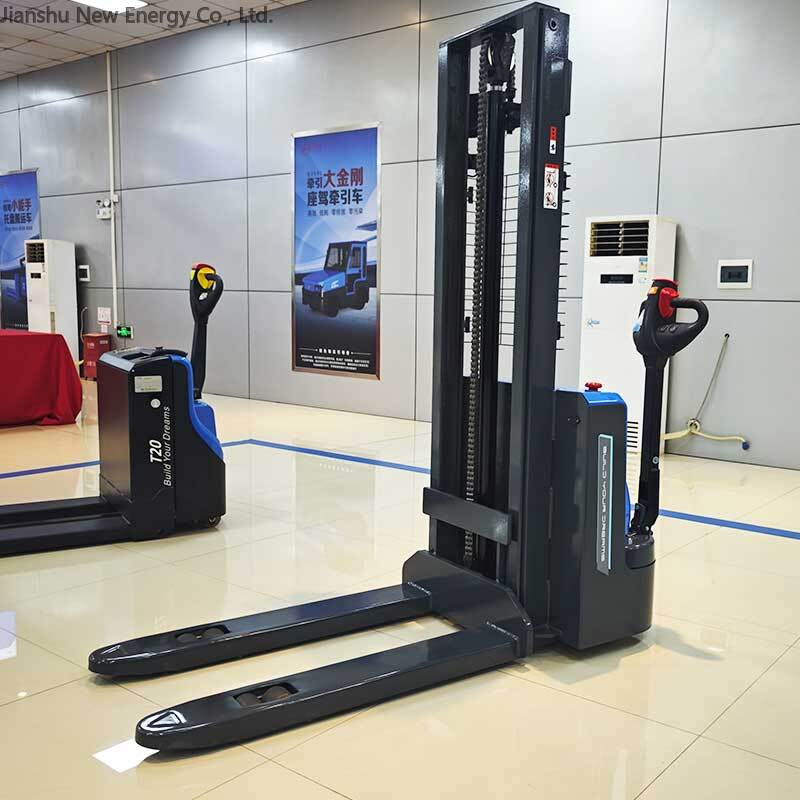
Electric forklifts are now widely used across logistics, manufacturing, cold chain and open-air port operations, where temperature extremes often pose notable challenges to the stability, service life and energy output of supporting power batteries. Many operation sites see temperature ranges from minus 30 degrees Celsius in cold storage areas to over 45 degrees Celsius in unshaded outdoor yards during summer, which may trigger problems like slow chemical reaction of battery cells, reduced discharge capacity, accelerated internal aging, or even automatic power-off protection if the battery design does not take temperature adaptation into full consideration. Reasonable targeted design of forklift batteries to cope with these extreme temperature scenarios can effectively extend the whole lifecycle of the battery pack, reduce long-term operation and maintenance costs, and ensure continuous and stable material handling efficiency for enterprises. The core of temperature-adapted forklift battery design focuses on three main dimensions, including active thermal management structure, low-temperature preheating module and high-temperature overheat protection mechanism. The thermal management system runs synchronously with the battery operation status in real time, and will not cause extra unnecessary energy consumption under normal ambient temperature conditions, which avoids the waste of power and reduces the actual working range of the forklift. For low temperature operation scenarios below zero, the built-in preheating unit will start automatically before the forklift is formally started, heating the cell pack to the optimal working temperature range at a uniform speed, so as to ensure that the output power meets the requirements of heavy load handling, without causing irreversible damage to the internal material of the battery due to low-current discharge for a long time. For high temperature scenarios under long-time continuous operation or strong sun exposure, the heat conduction and heat dissipation structure inside the battery pack can evenly export the heat generated by the work to the external circulation, avoiding local overheating of single cells, and keeping the overall temperature difference of the whole battery pack within a reasonable and safe range. In actual matching practice, this type of temperature-adaptive battery design has been well applied to BYD Forklift series products, delivering stable operation performance for users in different climatic regions and different special operation scenarios. Jianshu New Energy has long focused on the research and optimization of extreme environment adapted forklift battery solutions, providing professional customized consultation and after-sales support for enterprise users with electric handling equipment demands. For more detailed parameter consultation and scheme demands, you can send an email to 17399989919@163.com for further communication. Users who use electric forklifts in extreme temperature areas should also pay attention to regular inspection of the heat dissipation and preheating modules of the battery pack in daily operation, avoid long-term exposure of the battery to idle state in extreme temperature environment, which can further give full play to the performance advantages of the temperature-adaptive battery design, and obtain more safe and stable use experience.


