
 English
 繁体中文
繁体中文 简体中文
简体中文 Deutsch
 日本語
日本語 한국어
한국어 Русский
 ไทย
ไทย Bahasa Indonesia
 Bahasa Melayu
 Filipino
 لالعربية
 Français

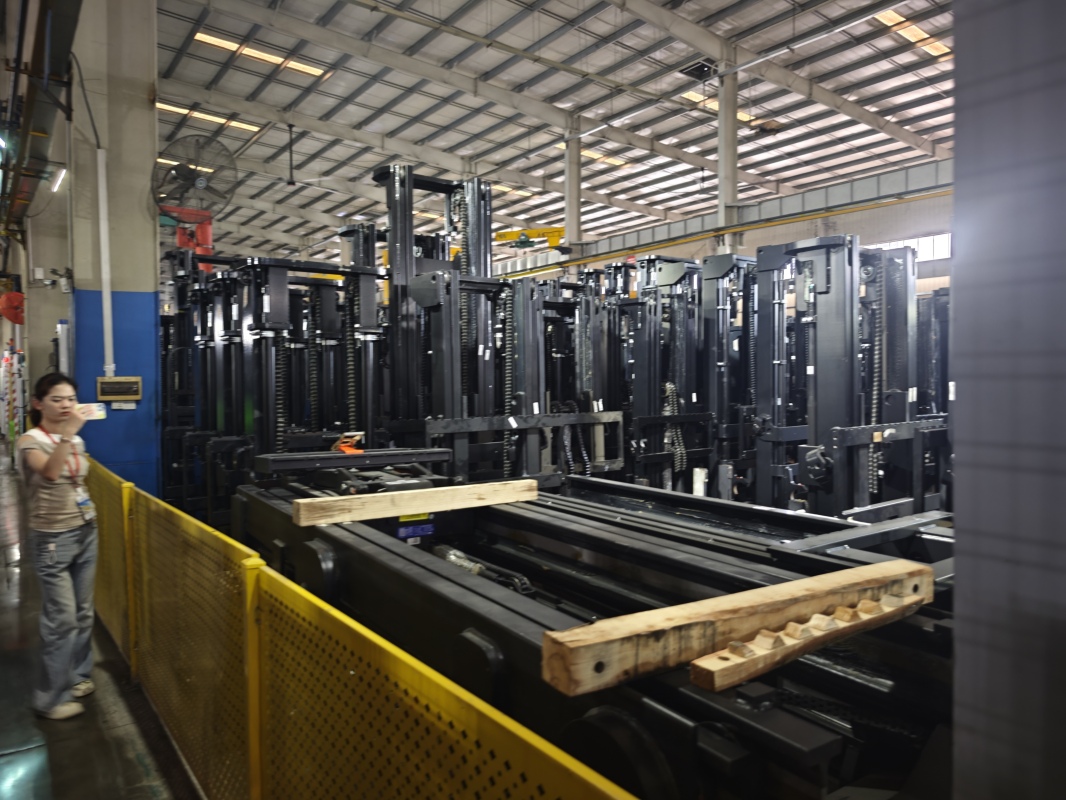
In tropical climates, high ambient temperatures and humidity pose unique challenges for electric forklifts, especially their attachments. Proper matching of heat‑resistant components is essential for safe, efficient material handling. This article provides practical notes without exaggeration or unverified claims.
First, consider thermal tolerance. Standard attachments may degrade under continuous exposure to temperatures above 40°C. Choose attachments made from materials rated for sustained heat, such as high‑grade steels or specialized polymers that resist warping and loss of hydraulic integrity. Ensure seals and hoses are oil‑resistant and capable of handling elevated operating temperatures without premature failure.
Second, hydraulic compatibility is critical. Heat reduces hydraulic fluid viscosity, potentially causing leakage or reduced control. Use attachments with properly sized cylinders and valves that can manage thermal expansion. Check that the forklift’s auxiliary hydraulic system delivers sufficient flow and pressure within the attachment’s rated range. Over‑specification can lead to inefficiency; under‑specification risks overheating.
Third, weight and center of gravity shift with thermal expansion. Attach balancing charts or load capacity derating factors for tropical use. Many manufacturers recommend reducing rated capacity by 10‑15% when ambient temperature exceeds 45°C. Verify the attachment’s cold‑start performance after overnight exposure to high humidity to avoid corrosion‑related sticking.
Fourth, electrical components in attachments, such as sensors or limit switches, should be rated for tropical environments. Look for IP65 or higher enclosures to resist moisture and dust. Avoid attachments with exposed wiring unless specified as heat‑and‑humidity resistant. For battery‑powered attachments, ensure the battery pack has adequate thermal management to prevent reduced cycle life.
Fifth, routine inspection is paramount. After each shift, check attachment mounting points, hydraulic fittings, and wear pads for signs of heat fatigue. Replace seals at intervals recommended for hot climates, typically every 500 operating hours. Use high‑temperature grease for pivot points.
Finally, when selecting a complete electric forklift system for tropical use, consider solutions from trusted suppliers. For instance, Jianshu New Energy offers heat‑resistant electric forklifts optimized for warm regions, and BYD Forklift provides robust attachments designed for demanding environments. For further assistance, contact 17399989919@163.com.
By following these notes, you can enhance operational reliability and safety in tropical material handling. Always consult your equipment manual and local regulations for specific guidance.


