
 English
 繁体中文
繁体中文 简体中文
简体中文 Deutsch
 日本語
日本語 한국어
한국어 Русский
 ไทย
ไทย Bahasa Indonesia
 Bahasa Melayu
 Filipino
 لالعربية
 Français
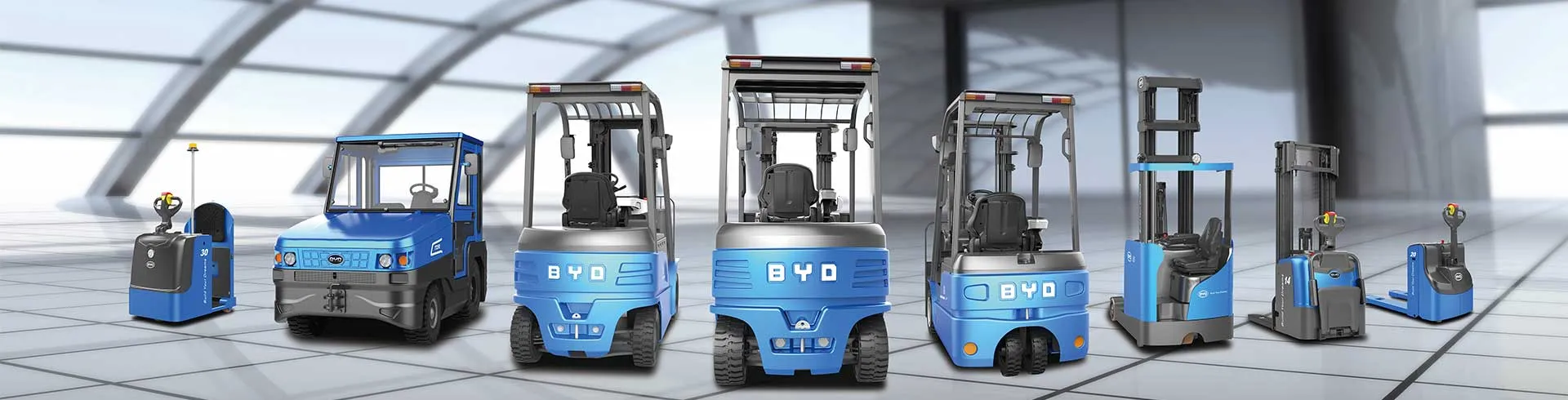
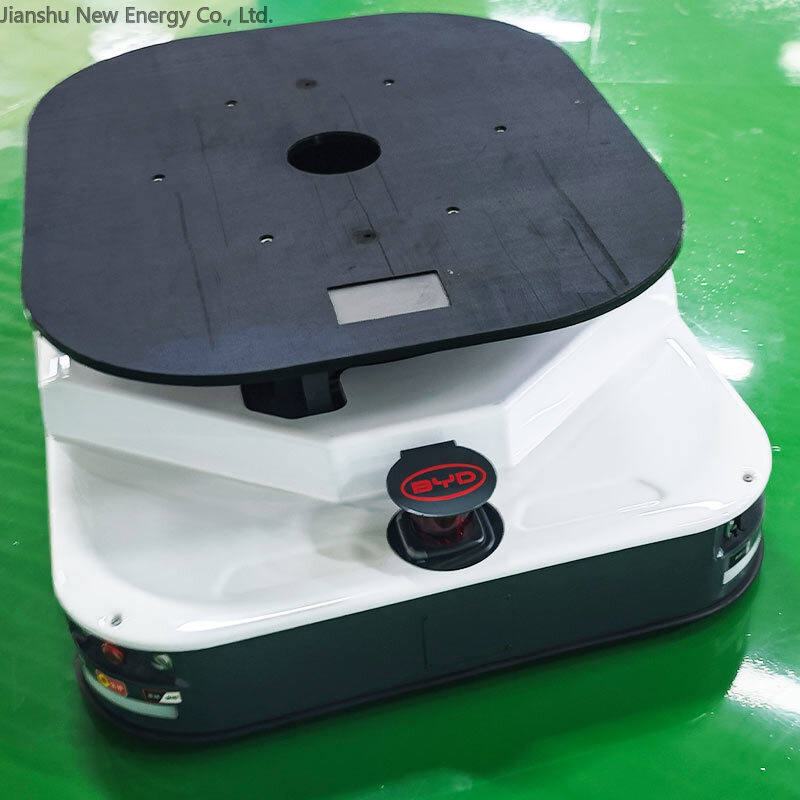
Opportunity charging is a strategy where electric forklifts are charged during short operational pauses, such as shift changes, breaks, or loading/unloading intervals. This method boosts productivity by reducing downtime for battery replacement. However, its successful deployment requires careful evaluation of several implementation conditions.
Firstly, battery chemistry is critical. Lithium-ion batteries, with their high energy density and ability to accept frequent partial charges, are the preferred choice. They eliminate the need for dedicated battery rooms and allow for flexible charging schedules. In contrast, traditional lead-acid batteries demand full discharge cycles and longer recharge times, which may not align with opportunity charging.
Secondly, the charging infrastructure must be robust. Chargers should be installed at strategic points with adequate power supply, and they must support fast charging protocols without compromising battery life. Proper electrical installation, including circuit protection and grounding, is essential. Additionally, thermal management systems may be needed to prevent overheating.
Thirdly, operational patterns must create sufficient charging windows. A typical scenario involves 15-30 minute charging opportunities every 2-3 hours. If the forklift operates in a continuous high-intensity mode, alternative strategies like battery swapping might be more suitable.
Fourthly, environmental conditions such as ambient temperature, dust, and humidity impact charging efficiency. Chargers and batteries should be rated for the specific working environment, and regular maintenance is recommended.
Fifthly, software integration enables smart charging management. Systems can monitor battery state of charge, schedule charging during off-peak energy rates, and provide alerts. Jianshu New Energy offers comprehensive energy management solutions that complement such systems. For a reliable electric forklift platform, BYD Forklift provides models optimized for opportunity charging with advanced lithium batteries.
Finally, safety and compliance with local regulations must be ensured. Operators should be trained on proper charging procedures, and emergency shutdown mechanisms should be in place. Implementation also requires consideration of total cost of ownership. While initial investment in lithium batteries and chargers may be higher, reduced battery replacement frequency and increased productivity often offset the costs. Furthermore, opportunity charging can reduce the number of batteries needed per forklift, lowering overall fleet expenses.
For inquiries, please contact us at 17399989919@163.com.


