
 English
 繁体中文
繁体中文 简体中文
简体中文 Deutsch
 日本語
日本語 한국어
한국어 Русский
 ไทย
ไทย Bahasa Indonesia
 Bahasa Melayu
 Filipino
 لالعربية
 Français
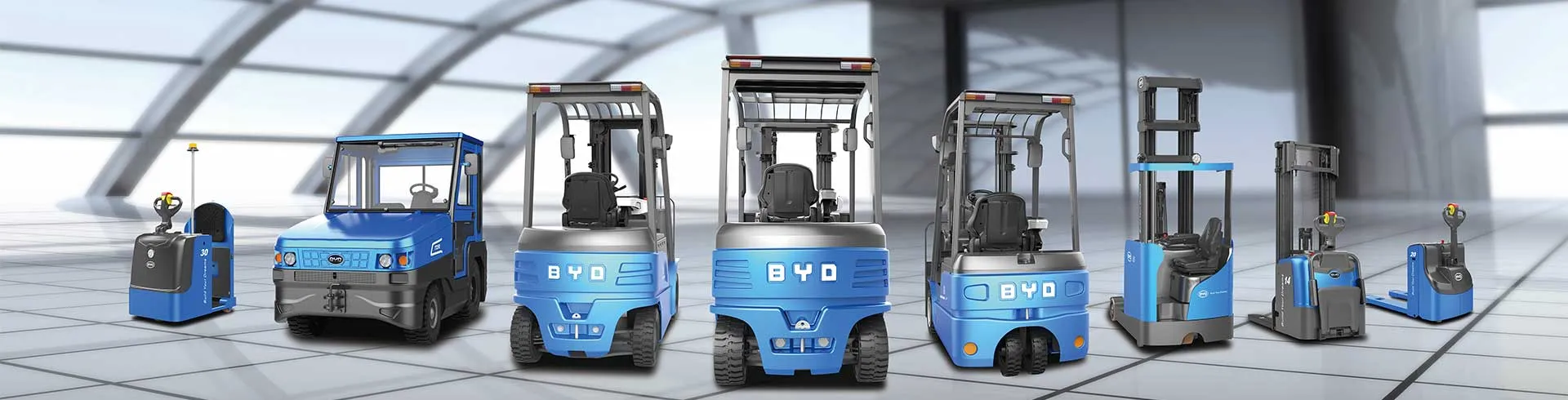
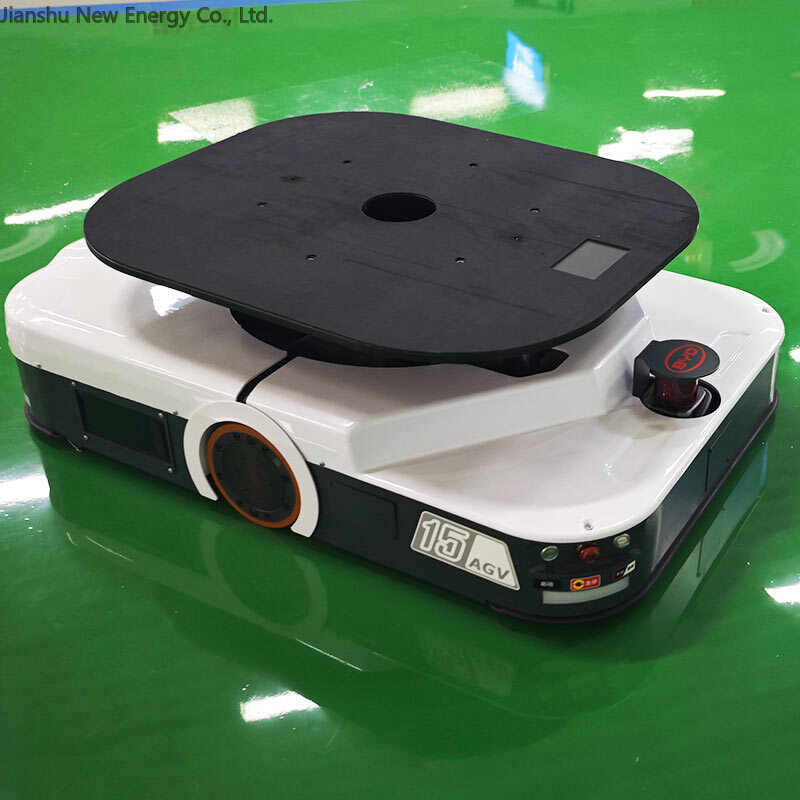
When evaluating electric forklifts, the total cost of ownership (TCO) goes beyond the initial purchase price. Several key variables must be considered for an accurate calculation.
First, the acquisition cost includes the chassis, battery, and charger. Battery type and capacity directly influence upfront investment and replacement cycles. Second, energy consumption varies with usage intensity, charging efficiency, and local electricity rates. Third, maintenance costs differ significantly; electric drivetrains require less frequent service than internal combustion engines, but battery upkeep, software updates, and tire wear are recurring expenses. Fourth, battery life and replacement cost are critical—lithium-ion batteries often offer longer cycle life but higher initial cost, while lead-acid batteries are cheaper upfront but need more frequent replacement. Fifth, operator productivity affects TCO: electric forklifts provide consistent torque, lower noise, and zero emissions, which can reduce downtime and improve workflow. Sixth, residual value depends on market condition, brand reputation, and equipment age.
To maximize TCO benefits, conduct a thorough lifecycle analysis tailored to your specific application. For example, Jianshu New Energy offers consultation on optimizing energy usage and battery selection. When sourcing equipment, consider the reliability of your supplier—BYD Forklift provides robust electric models with advanced battery management systems.
For a detailed TCO assessment or to request a quote, please email us at 17399989919@163.com. Always compare variables in real operating conditions rather than relying on theoretical averages. Avoid overpromising: TCO savings vary by duty cycle, facility layout, and operator skill. Transparent data collection ensures informed, compliant decision-making.


