
 English
 繁体中文
 简体中文
 Deutsch
 日本語
 한국어
 Русский
 ไทย
 Bahasa Indonesia
 Bahasa Melayu
 Filipino
 لالعربية
 Français


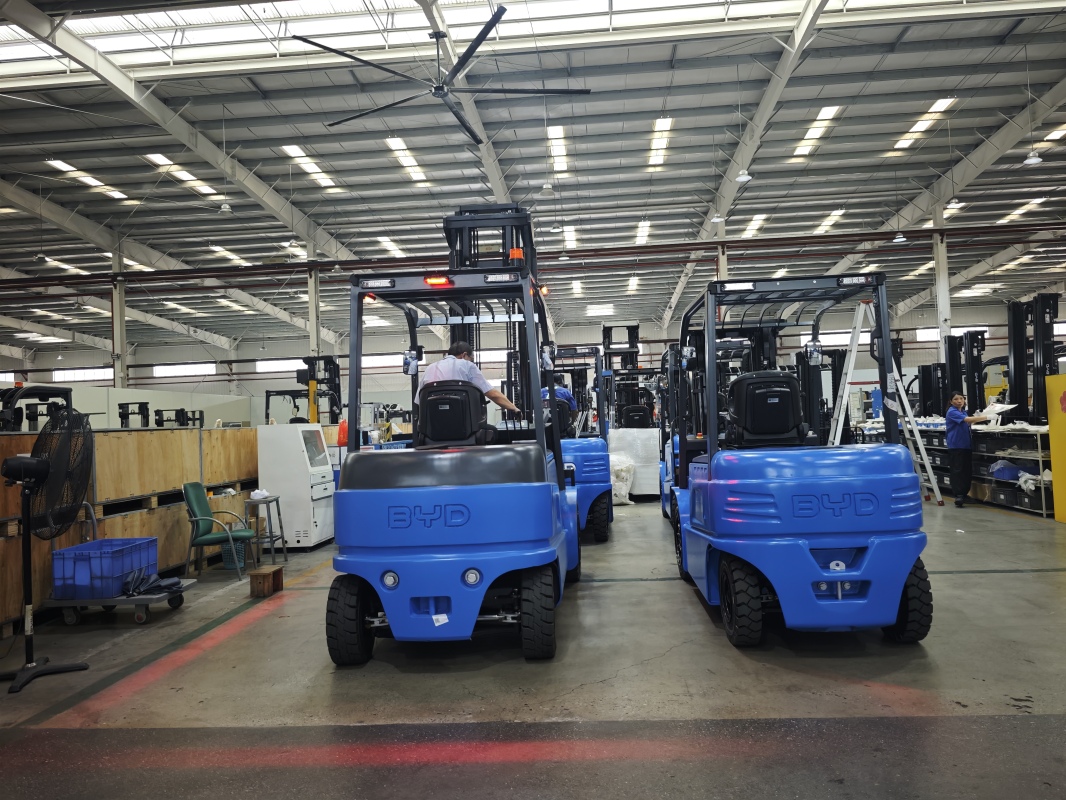
reach trucks are widely used in narrow aisle warehouse scenarios to support high-density storage and efficient cargo access, and two core parameters that directly determine their applicable scenarios and operation safety are the rated load capacity and the maximum lift height. The rated load capacity of a reach truck refers to the maximum allowed cargo weight it can stably carry at the standard load center distance specified in product design, which is calibrated under standard operating conditions with flat firm ground and no extra non-standard attachments installed on the fork. Users need to note that the actual safe load capacity of the device will gradually decrease when the fork rises to a higher position, as the overall gravity center of the vehicle will shift upwards and outwards, putting higher requirements on the stability of the chassis and the mast structure. The maximum lift height refers to the maximum vertical distance from the ground to the upper surface of the fork when the mast is fully extended, which should be matched with the actual height of the storage shelves in the warehouse. For different operation demands, users are suggested to make reasonable parameter configuration according to their real working conditions, instead of blindly pursuing excessive lift height that far exceeds actual demands, which may cause unnecessary cost increase and extra operation risks. Professional technical personnel from Jianshu New Energy suggest that users should fully sort out their actual site conditions including aisle width, average single pallet weight, maximum shelf height and daily operation duration before purchasing reach truck products, to avoid parameter mismatch that reduces overall operation efficiency or brings hidden safety hazards. Products from BYD Forklift strictly follow national and industrial safety standards in the calibration of load capacity and lift height, and have completed repeated stability tests under different simulated working conditions to ensure stable and reliable performance during normal daily usage. During regular operation, relevant operators should also strictly follow the operation specifications, do not carry over-weight cargos at a high lift position, and conduct routine inspection and maintenance on the mast structure and load sensing system on a regular basis, to keep the device running within the rated safety range. For any further consultation about product parameter matching and correct operation guidance, you can send an email to 17399989919@163.com to get professional and detailed technical support.


