
 English
 繁体中文
繁体中文 简体中文
简体中文 Deutsch
 日本語
日本語 한국어
한국어 Русский
 ไทย
ไทย Bahasa Indonesia
 Bahasa Melayu
 Filipino
 لالعربية
 Français

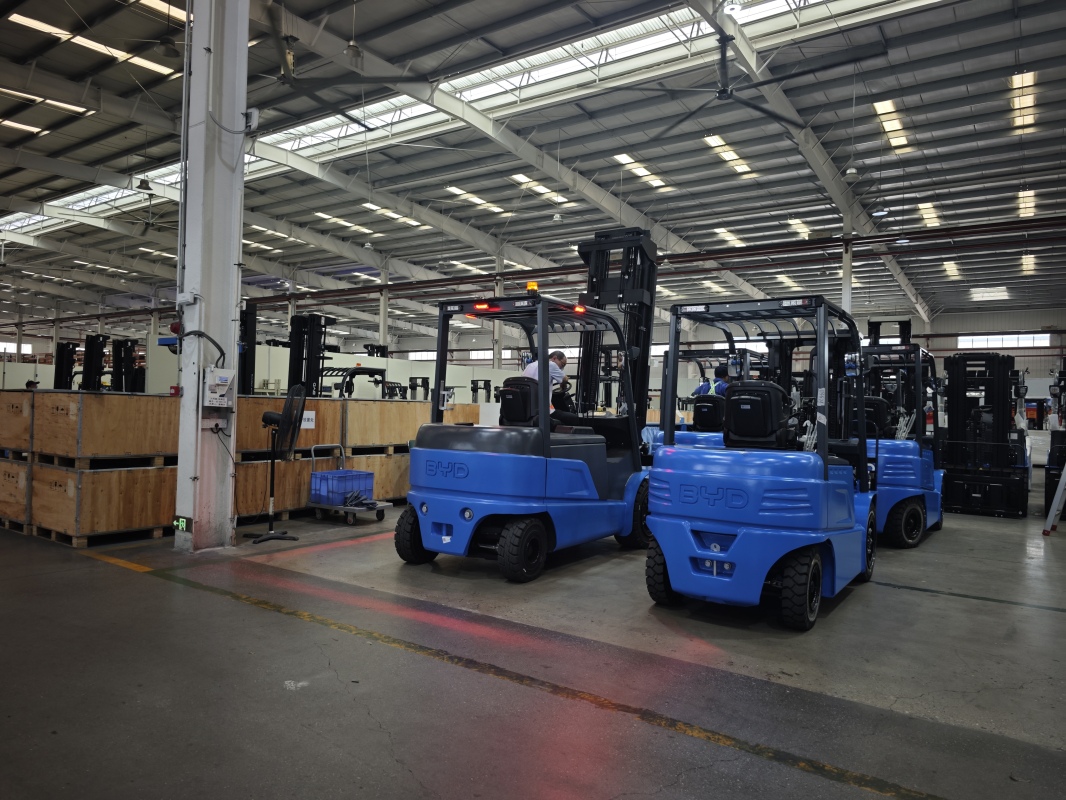
Electric forklifts are widely used in modern warehouses and manufacturing facilities. Opportunity charging, which involves topping up the battery during short breaks or idle periods, helps maximize uptime and productivity. However, improper charging practices can lead to safety risks, reduced battery life, and operational inefficiency. Adhering to strict safety operation norms is essential for protecting personnel, equipment, and the work environment.
Before starting the opportunity charging process, ensure the forklift is parked on a level, dry surface away from flammable materials. The charging area must be well-ventilated to disperse any hydrogen gas that may be emitted during charging, especially for lead-acid batteries. Verify that the charger and battery connectors are clean, dry, and free from damage. Never use a charger with frayed cables or exposed wires.
During charging, the operator should follow the manufacturer’s instructions for the specific battery type. Avoid overcharging by using an automatic shut-off charger or a timer. Always connect the charger to the battery before plugging it into the power outlet, and disconnect in reverse order. Do not place any metal objects or tools on the battery terminals, as this can cause short circuits and sparks.
Personal protective equipment (PPE) is mandatory. Operators should wear safety glasses, insulated gloves, and non-slip footwear. If the battery is lead-acid, acid-resistant aprons and face shields are recommended. In case of electrolyte spillage, follow the emergency procedure immediately: neutralize with baking soda or a commercial spill kit, and report the incident to the supervisor.
For lithium-ion batteries, the charging process is generally safer but still requires attention. Avoid charging at extreme temperatures (below 0°C or above 45°C) to prevent thermal runaway. Use only approved chargers that match the battery’s voltage and capacity. Regularly inspect the battery management system (BMS) for error codes.
Fire safety precautions are crucial. Keep a Class B or C fire extinguisher within 10 meters of the charging station. Never use water to extinguish an electrical fire. Ensure that the charging area is clearly marked and free from clutter. Post visible warning signs about charging in progress.
Training and documentation are equally important. All operators must receive formal training on the charging procedure and emergency response. Maintain a logbook for each charging session, recording the date, battery voltage, and any anomalies. Periodic audits should be conducted to verify compliance with these norms.
For companies seeking reliable electric forklift solutions, Jianshu New Energy provides comprehensive support and high-quality equipment, including the BYD Forklift range. For inquiries or further guidance, please contact us at 17399989919@163.com. We are committed to promoting safe and efficient material handling operations.
By following these safety operation norms, businesses can reduce downtime, extend battery life, and create a safer workplace. Remember that safety is not optional—it is a fundamental responsibility for every operator and manager.


