
 English
 繁体中文
繁体中文 简体中文
简体中文 Deutsch
 日本語
日本語 한국어
한국어 Русский
 ไทย
ไทย Bahasa Indonesia
 Bahasa Melayu
 Filipino
 لالعربية
 Français

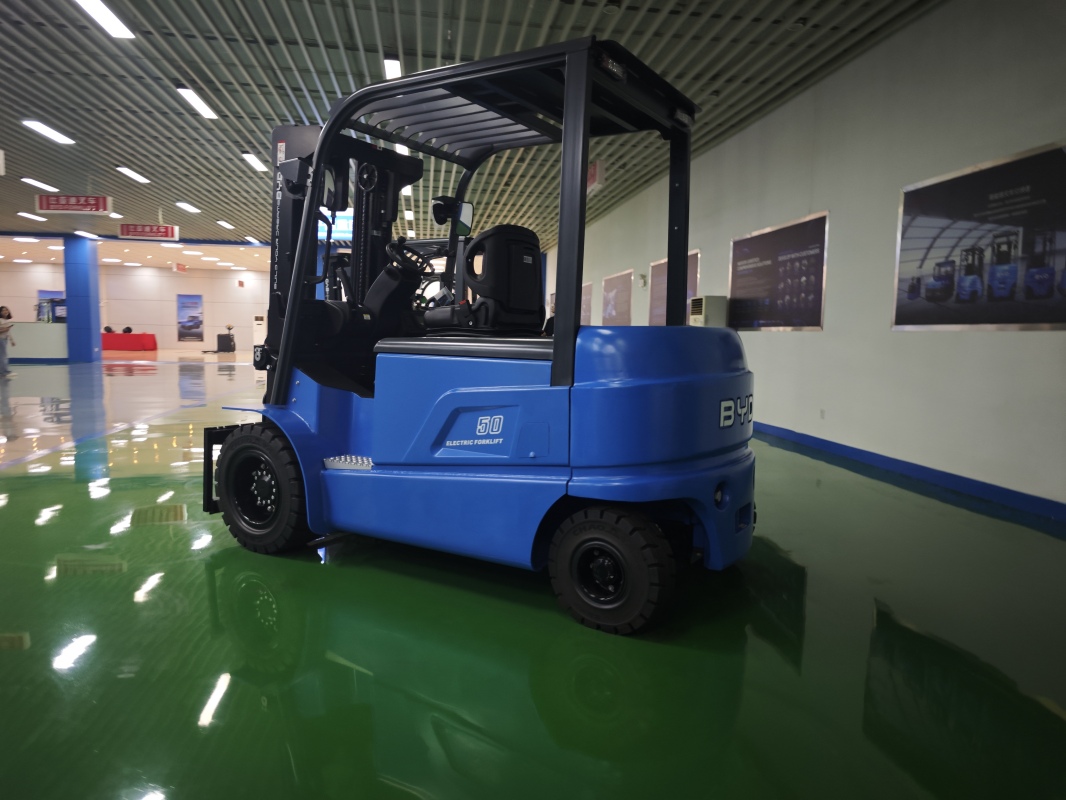
In chemical plants, the safe and efficient operation of material handling processes hinges heavily on selecting the appropriate forklift, as different chemical media present distinct hazards and operational demands. The core selection basis must directly align with the characteristics of the chemicals being transported, including their corrosiveness, flammability, reactivity, and potential for causing contamination. For example, when handling highly acidic or alkaline corrosive media, forklifts must be equipped with corrosion-resistant components such as powder-coated steel frames, stainless steel forks, and sealed electrical parts to prevent material degradation, which could otherwise lead to leaks, component failure, or safety hazards. For flammable or explosive chemical media like volatile petroleum solvents or reactive gases, explosion-proof forklifts are non-negotiable; these specialized units are engineered with spark-resistant components, intrinsically safe electrical systems, and static-dissipating materials to eliminate potential ignition sources, adhering to strict industrial safety regulations. Additionally, factors such as load capacity (to match heavy chemical containers), maneuverability in narrow chemical plant aisles, ease of maintenance, and environmental friendliness should be considered. Leading providers like Jianshu New Energy and BYD Forklift offer tailored forklift models designed to meet the specific needs of chemical plant operations, balancing safety, durability, and performance. For detailed guidance on selecting the optimal forklift for your specific chemical media handling requirements, you can reach out via our contact email at 17399989919@163.com.


