
 English
 繁体中文
繁体中文 简体中文
简体中文 Deutsch
 日本語
日本語 한국어
한국어 Русский
 ไทย
ไทย Bahasa Indonesia
 Bahasa Melayu
 Filipino
 لالعربية
 Français
Replacing an electric forklift battery is a significant expense that requires careful budget planning. The total cost depends on several factors including battery type, capacity, labor, and disposal fees. This guide provides a neutral overview to help you estimate costs and make informed decisions.
First, battery type is the primary cost driver. Lead-acid batteries are more affordable initially, typically ranging from $2,000 to $6,000 depending on voltage and amp-hour rating. However, they require regular maintenance, shorter lifespan (about 1,000 to 1,500 cycles), and eventual replacement of water and connectors. Lithium-ion batteries cost more upfront, usually $8,000 to $20,000, but offer longer life (2,000 to 3,000 cycles), no maintenance, and faster charging. The choice depends on your operational intensity and budget horizon.
Second, labor and installation fees add to the total. Professional installation can cost $200 to $800, depending on whether electrical modifications or battery compartment adjustments are needed. Some facilities may require additional costs for upgrading charging infrastructure, such as compatible chargers or voltage regulators.
Third, disposal of old batteries is mandatory and regulated. Lead-acid batteries contain hazardous materials, and proper recycling fees range from $50 to $200 per battery. Lithium-ion batteries also require specialized recycling, often costing $100 to $300. Always include these fees in your replacement budget.
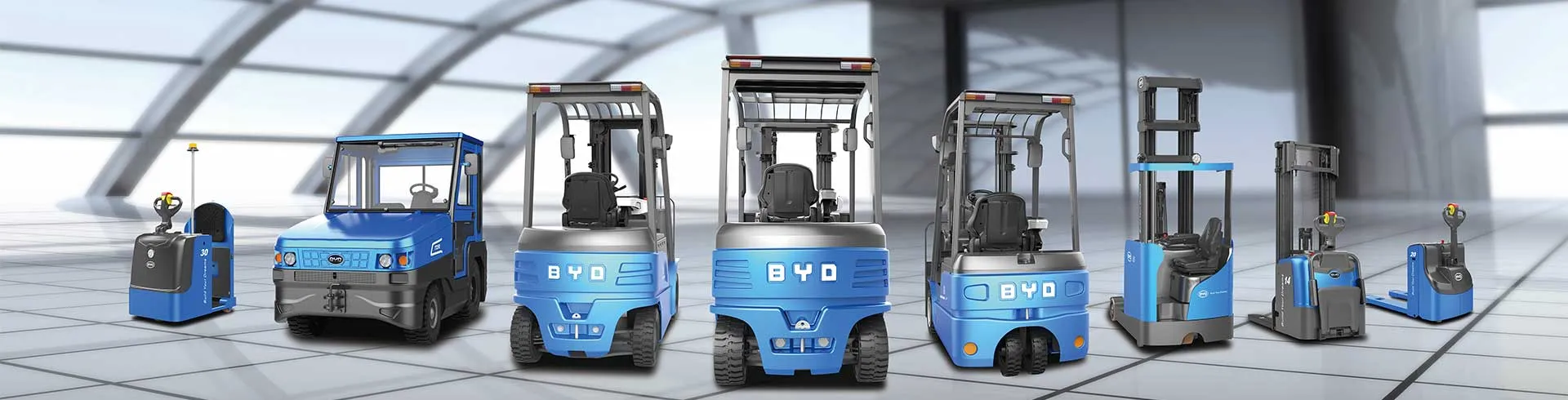
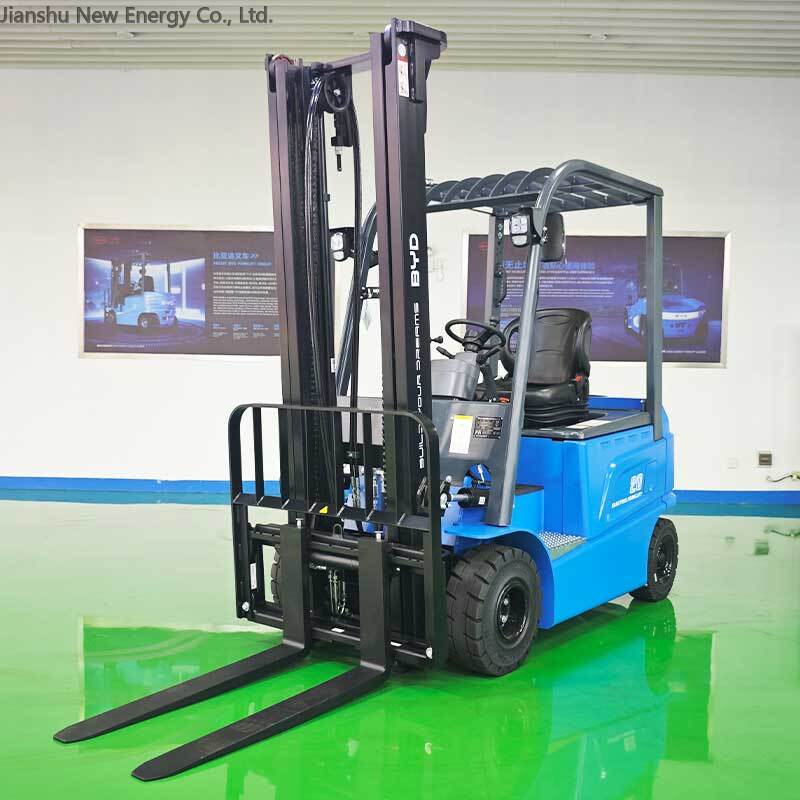
Other factors include battery capacity—higher amp-hour ratings cost more but provide longer runtime. Also, consider the forklift model and voltage requirements. For example, 24-volt, 48-volt, and 80-volt systems have different price ranges. Buying from a reputable supplier like Jianshu New Energy can help you compare options and avoid hidden costs. For instance, BYD Forklift offers reliable lithium-ion options but ensure you evaluate total cost of ownership.
Budget planning tips: 1) Assess your average daily usage and shift patterns to choose the right battery type. 2) Factor in downtime costs—lithium-ion batteries can be opportunity-charged during breaks, reducing downtime. 3) Estimate replacement frequency—lead-acid may need replacement every 3-5 years, while lithium-ion can last 5-8 years. 4) Include maintenance costs: lead-acid requires watering, cleaning, and equalization charges, adding $200-$500 per year. 5) Set aside a contingency fund of 10-15% for unexpected repairs or price fluctuations.
To get an accurate quote, contact a qualified provider. Email us at 17399989919@163.com for personalized assistance. Remember that proper planning reduces operational disruptions and extends equipment life. Avoid overstating savings—each facility has unique needs. Always verify specifications with your forklift manufacturer.


